
Automating Routine CAD Work with Fusion 360 and Python
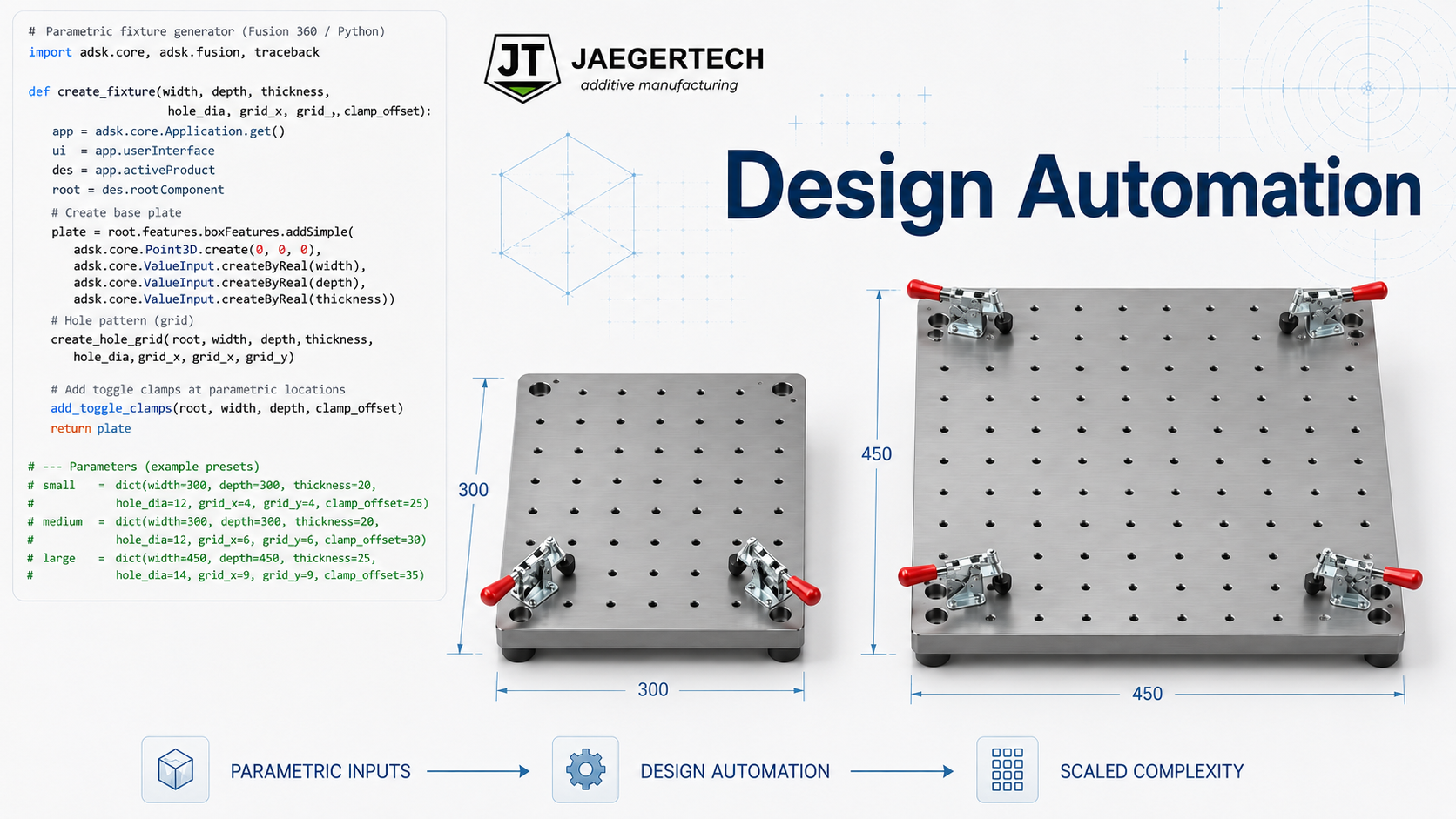
In many manufacturing and prototyping environments, a surprising amount of skilled design time is consumed by routine CAD adjustments. A designer may spend hours modifying the same basic model over and over again: changing hole spacing, resizing fixture plates, adjusting brackets, updating clearance features, creating spacer variations, or generating slightly different versions of common shop tools. These tasks matter, but they are often repetitive. When the same type of part needs to be created repeatedly with predictable changes, Fusion 360 combined with Python-based scripting can turn that work into a faster, more controlled, and more repeatable process.
Fusion 360 supports automation through its API, allowing routine modeling steps to be driven by parameters, rules, and scripted logic. Instead of manually redrawing or modifying the same fixture, gauge, adapter, nest, bracket, or tooling component, a script can generate a solid model from a defined set of inputs. Those inputs might include length, width, thickness, bolt pattern, hole diameter, fastener clearance, draft, mounting style, label text, or customer-specific dimensions. Once the logic is established, the designer is no longer rebuilding the same part family by hand. They are using a repeatable digital tool that produces consistent geometry faster and with fewer opportunities for manual error.
At JaegerTech, this kind of automation is especially useful for projects involving jigs, fixtures, inspection aids, machine adapters, workholding components, production supports, and other recurring industrial tools. Many of these parts follow the same general design pattern but need to be adjusted for a specific part number, machine, production cell, operator preference, or assembly requirement. In those cases, we can work with a client to understand the design intent, identify which dimensions need to remain fixed, determine which features should be adjustable, and develop a parametric script that simplifies future solid model creation.
A successful automation project starts with consultation. The goal is not simply to make a model change faster; it is to capture the design rules that experienced people are already applying manually. That may include minimum wall thicknesses, preferred fastener sizes, machining clearances, 3D printing constraints, material choices, labeling conventions, revision control, or internal shop standards. Once those rules are built into a scripted workflow, the result is not just faster CAD. It is more consistent CAD, better documentation, fewer avoidable errors, and a cleaner handoff from design to manufacturing.
For the right type of repeated design work, the return on investment can be substantial. If a designer spends several hours each week making routine adjustments, a well-built parametric workflow can pay for itself within a few months by freeing that person to focus on higher-value engineering, problem solving, and customer-specific work. JaegerTech is happy to evaluate projects where routine CAD adjustments are slowing down production or consuming skilled design time. When the geometry is repetitive, the rules are clear, and the workflow is well understood, Fusion 360 scripting can become a practical manufacturing tool rather than just a CAD convenience.
About the Author: jaegertechgroup.com

STAY IN THE LOOP
Subscribe to our free newsletter.
Leave A Comment
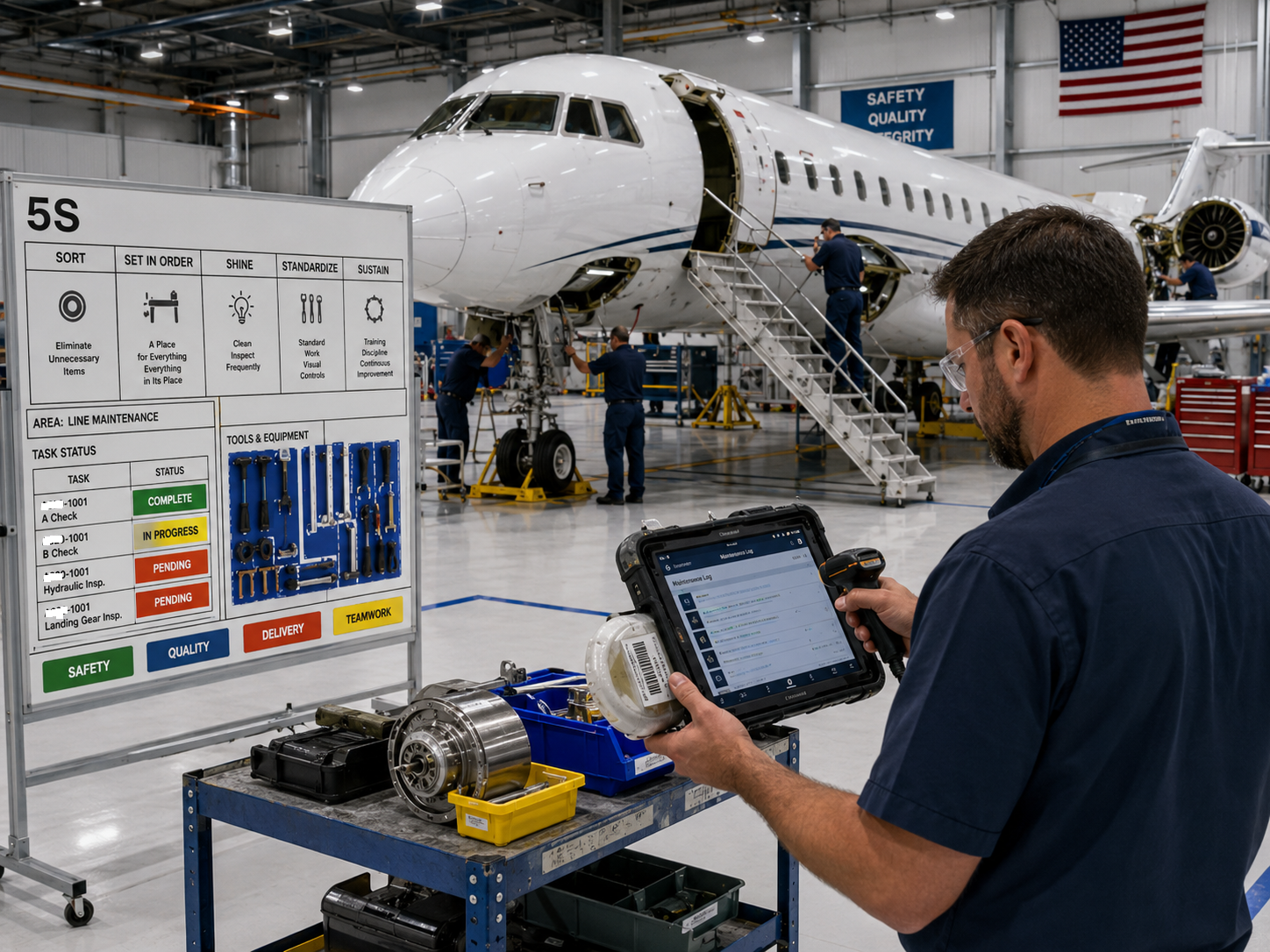
Integrating a Tablet, Scanner, and Maintenance Hardware Into One Aerospace Field Tool In aerospace maintenance, the challenge is rarely just collecting information.
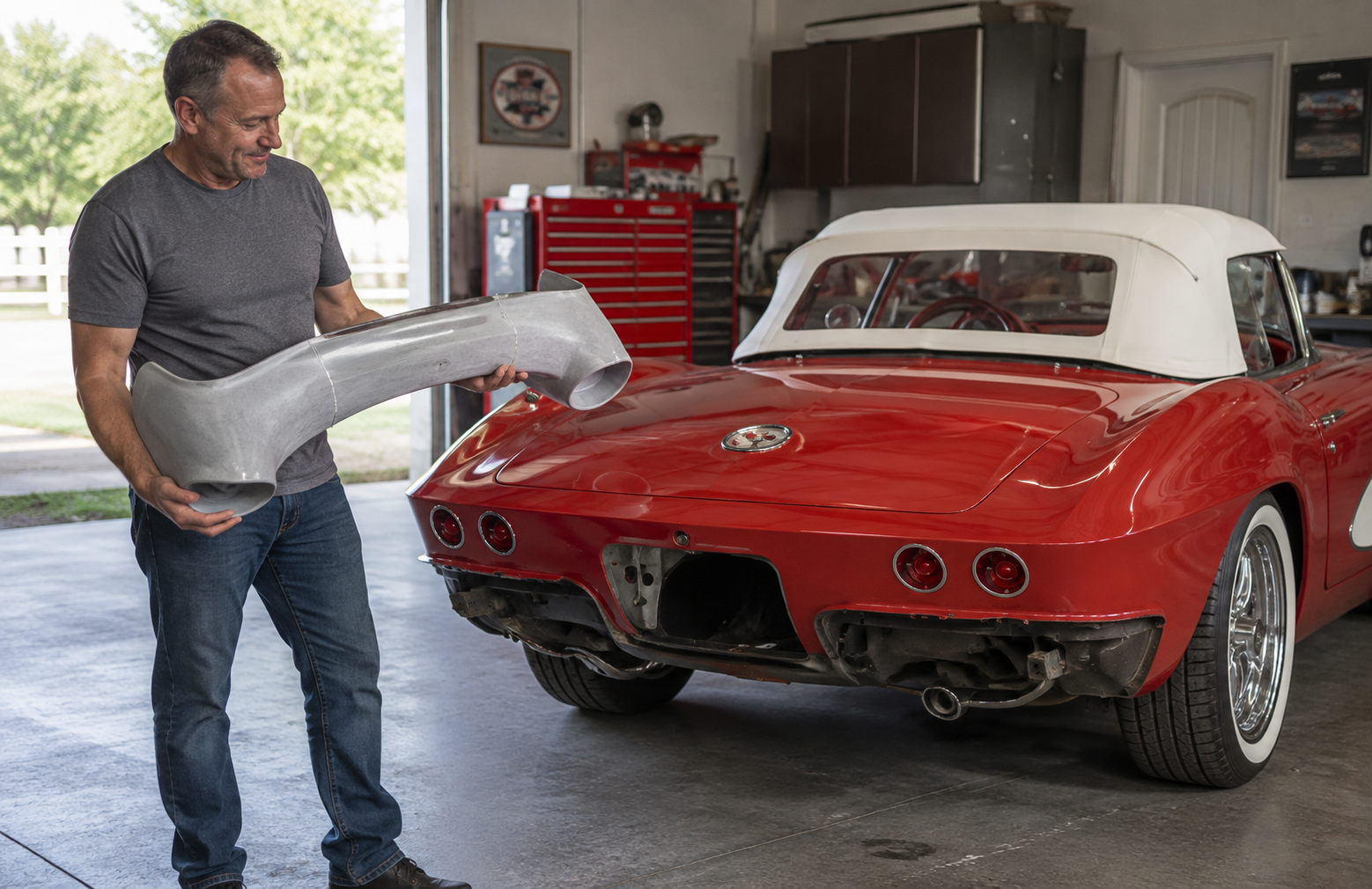
From 3D Scan to Perfect Fit: The Corvette Bumper Project Moves Forward A few weeks ago, we shared a project that demonstrated

Great Conversations and New Connections at SMD in Huntsville Last week, Janelle and I had the opportunity to attend SMD in Huntsville,
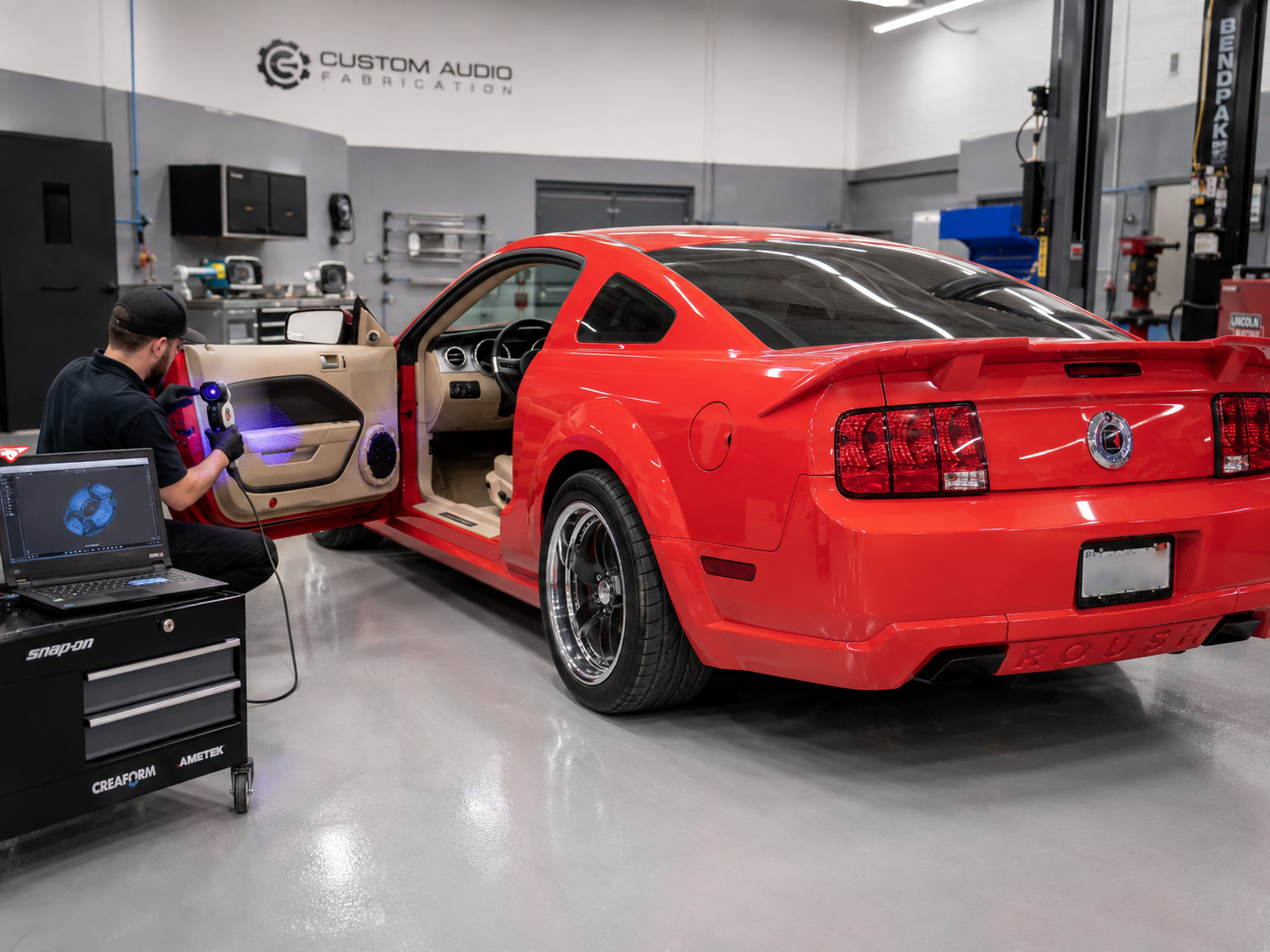
Custom 3D Printed Speaker Pods for a 2005 Ford Mustang Sometimes the problem is not the speaker. It is everything around it.