Why Jaegertech works with university professors, staff, and students –
Here’s to the students. The builders. The professors who still believe a lab can change a life. The ones who see a broken machine and imagine a working program. The ones who see a printed bone, a casting pattern, a submersible texture, a wing section, a surgical model, or a veterinary teaching tool, and understand that the future usually begins as something rough, unfinished, and sitting on a workbench.
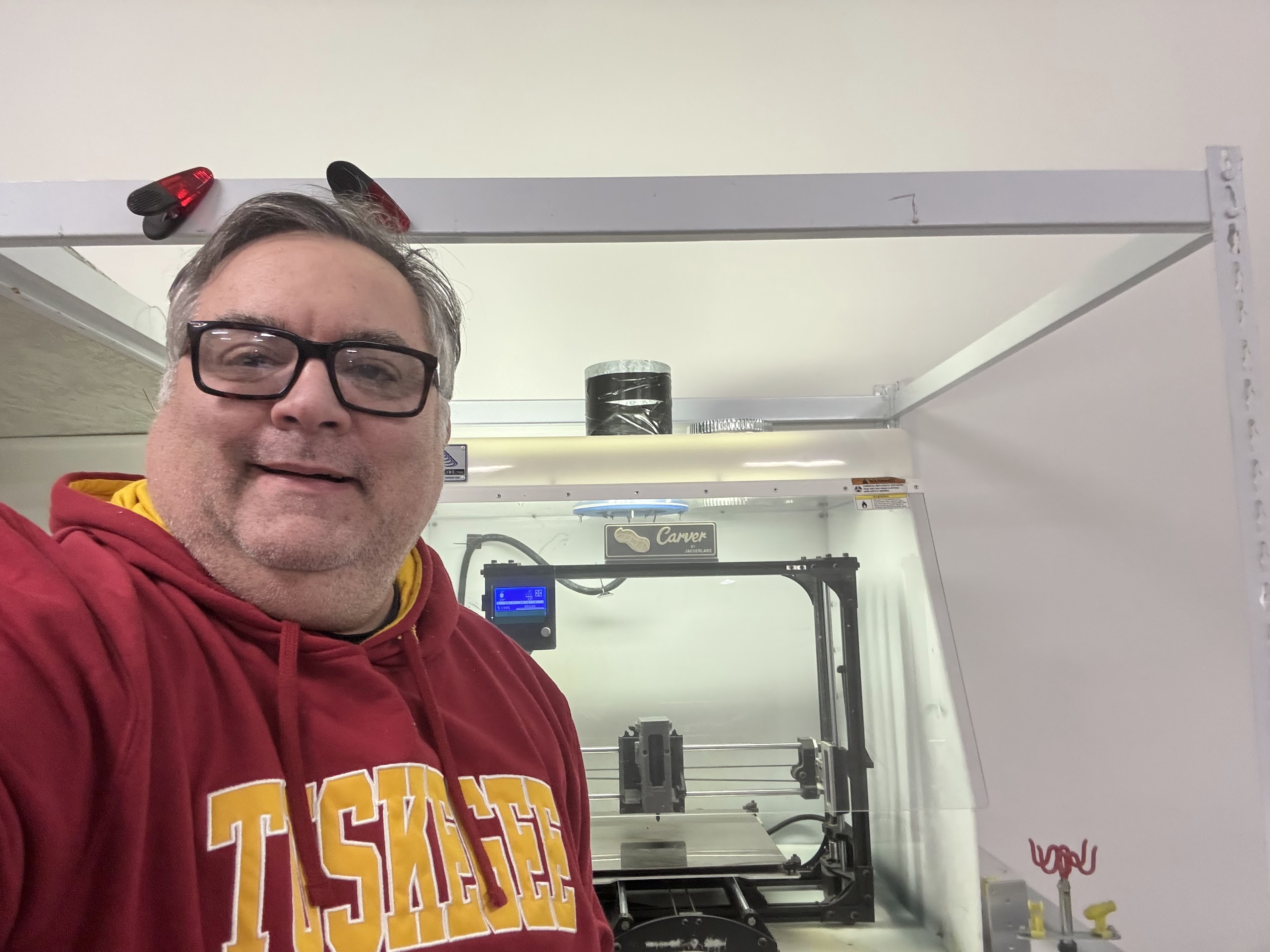
We help universities because they are where tomorrow is still allowed to be different. At the University of Alabama, a student is working on next-generation textures for submersibles. At Tuskegee University, Dr. Deidre Quinn-Gorham is helping train the next generation of veterinarians to use 3D printing in workflows that can help animals. At Auburn University, tomorrow’s aeronautical engineers are learning to think in structures, materials, and flight. At the University of Alabama at Birmingham, casting technologies are finding their way back into collegiate education. At Jacksonville State, a small state school is putting real machines in front of real students and giving them the kind of hands-on exposure that can redirect a career.
We help them because they inspire us. Because students ask questions industry has learned to avoid. Because faculty keep fighting to make practical knowledge available. Because a machine repair, a printed part, a prototype, or a few hours of guidance can become the first moment someone realizes they are capable of building something real. That is why we show up. Not just for the project. Not just for the purchase order. For the spark. For the work. For the people who are still crazy enough to believe the next great thing might start in a university lab.
About the Author: jaegertechgroup.com

STAY IN THE LOOP
Subscribe to our free newsletter.
Leave A Comment
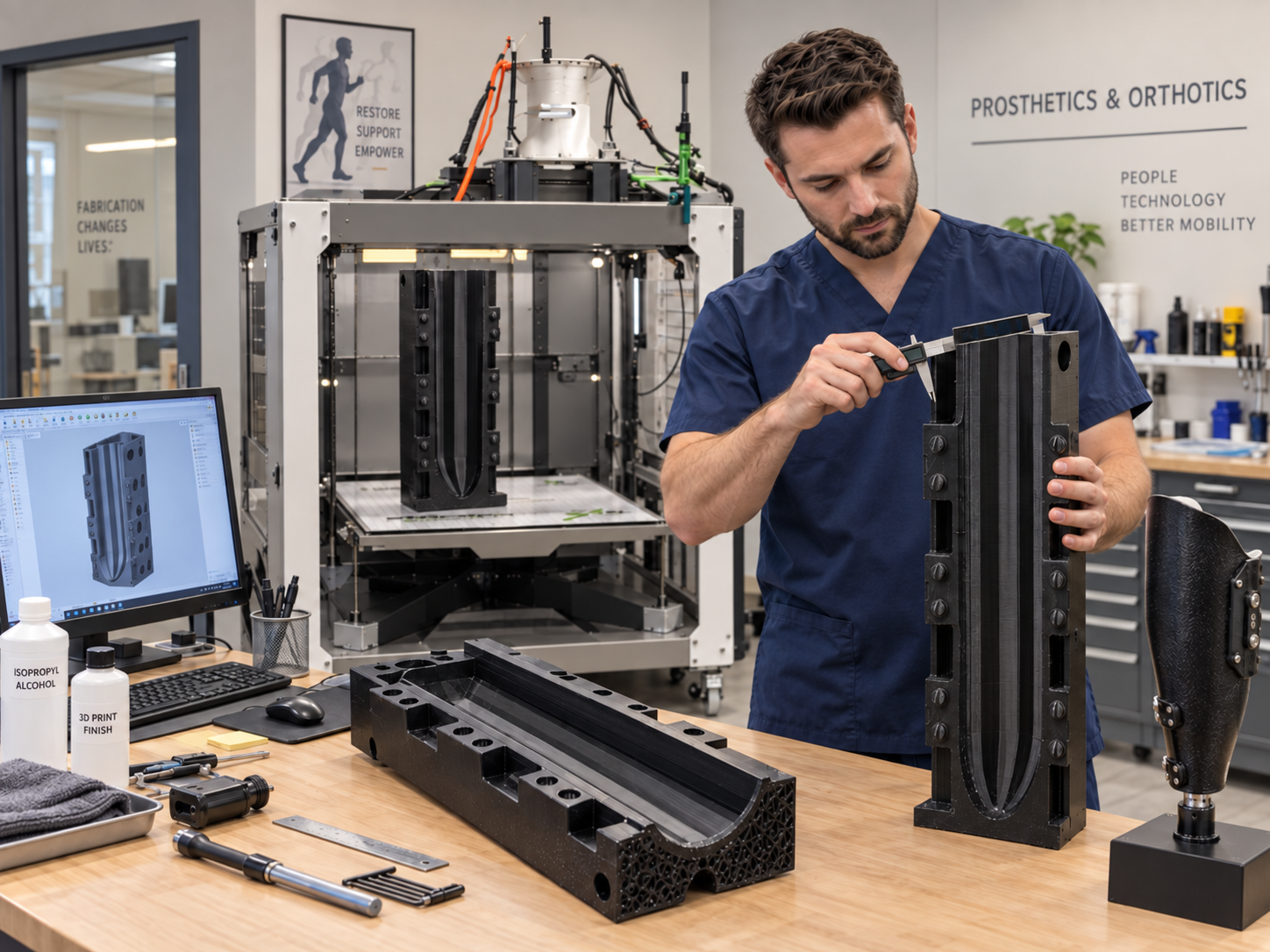
From Hesitation to Hands-On: Bringing Large-Format 3D Printing Into a Prosthetics and Orthotics Practice For many prosthetics and orthotics practitioners, the potential
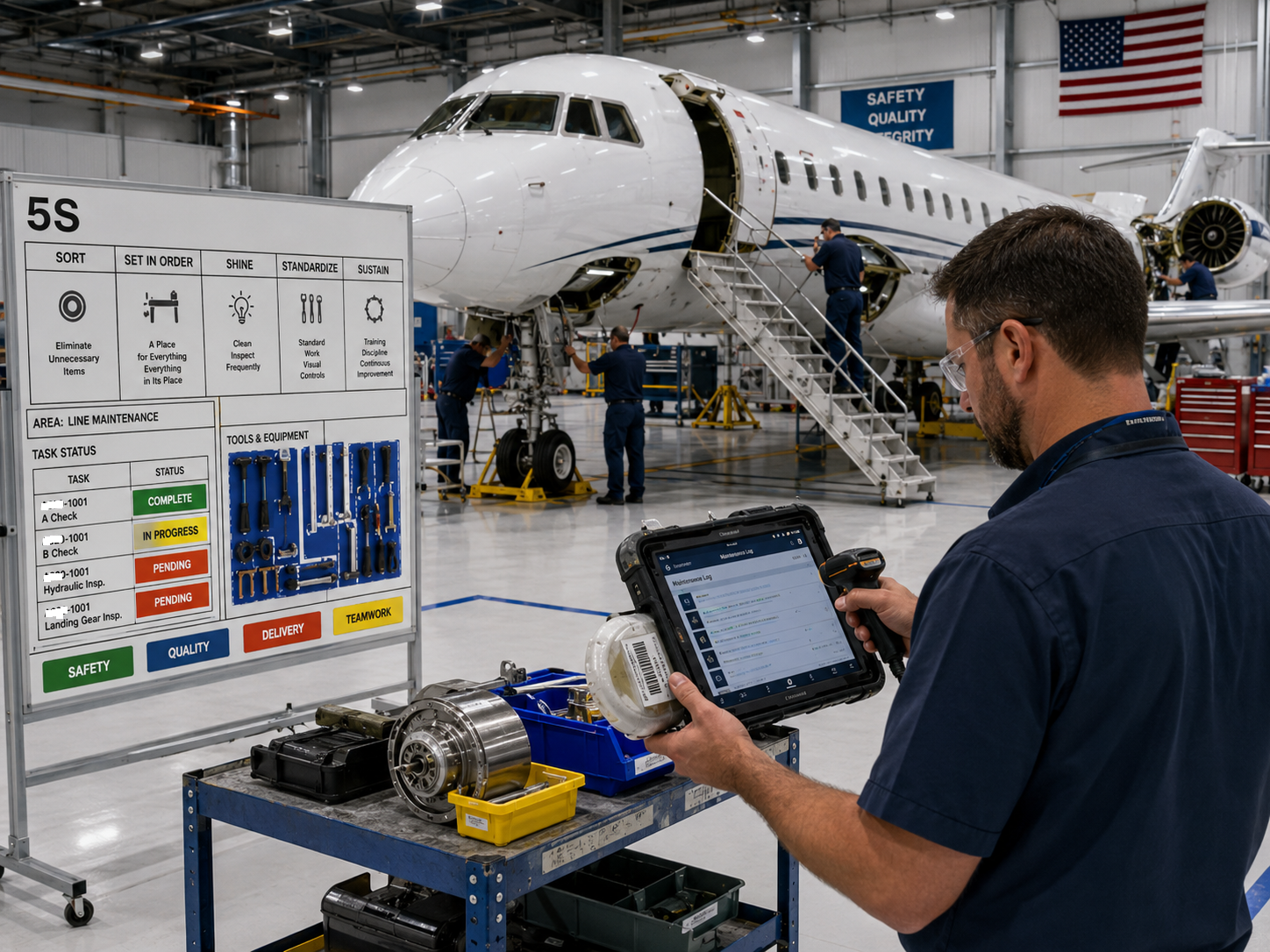
Integrating a Tablet, Scanner, and Maintenance Hardware Into One Aerospace Field Tool In aerospace maintenance, the challenge is rarely just collecting information.
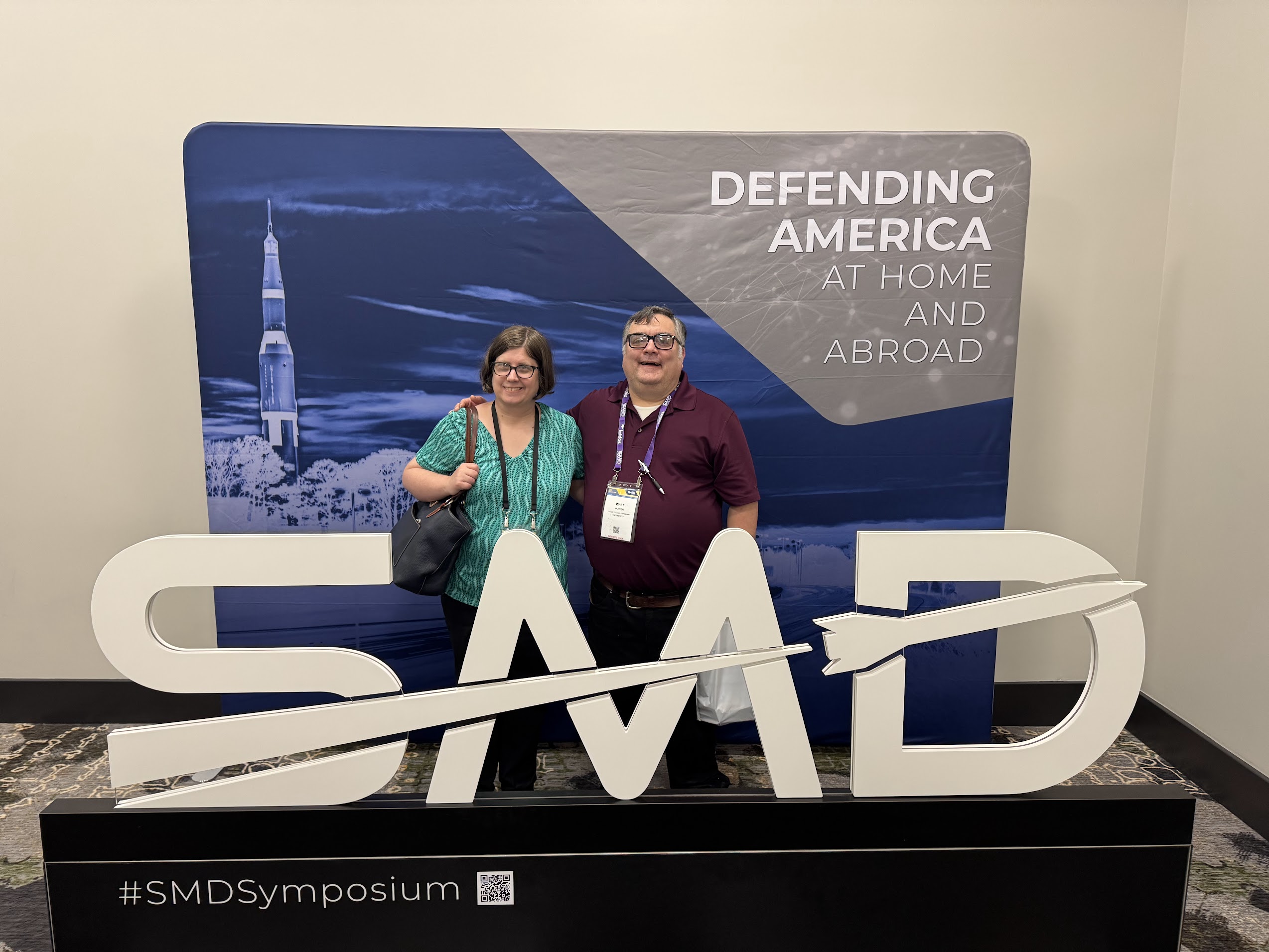
Great Conversations and New Connections at SMD in Huntsville Last week, Janelle and I had the opportunity to attend SMD in Huntsville,
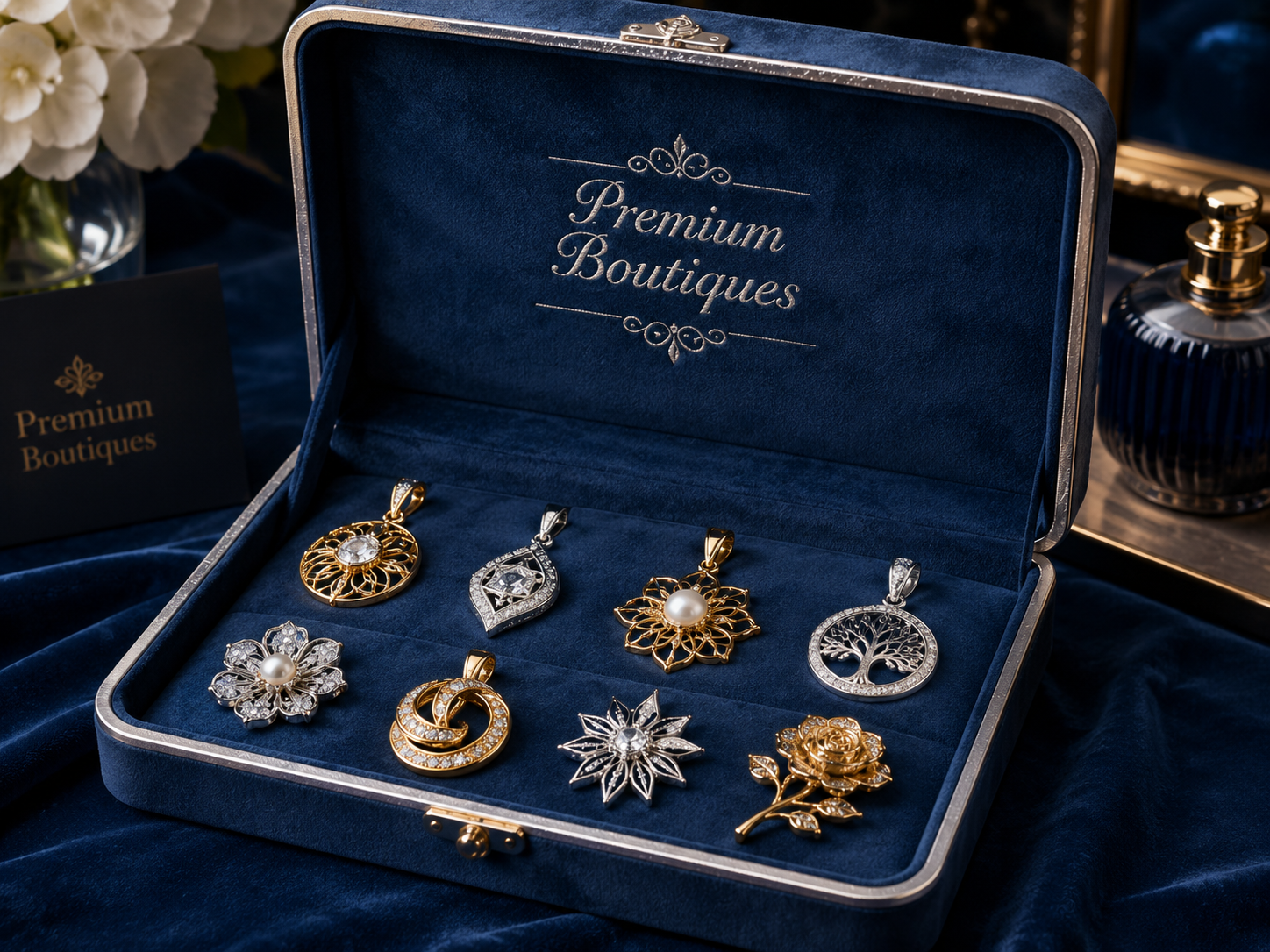
From Product Idea to Cast Metal: Developing a Custom Jewelry Collection Through Digital Design, 3D Printing, and Investment Casting Developing a new