
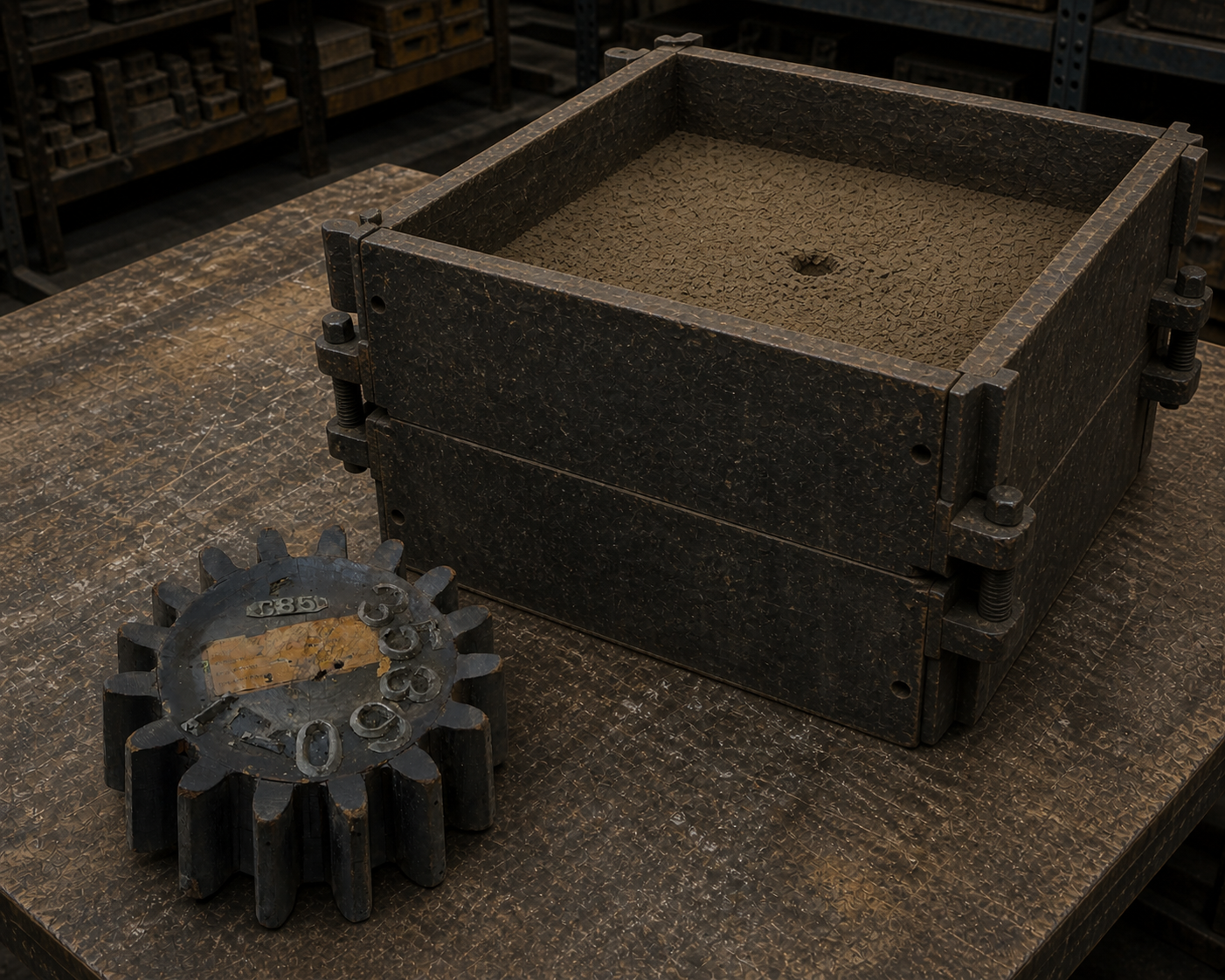
When to Use a Loose Pattern Instead of a Match Plate
Not every casting job needs a match plate. For some projects, a loose pattern is the faster, simpler, and more cost-effective choice.
At Jaeger Technology Group LLC, we produce 3D printed loose patterns, match plates, core boxes, and foundry tooling for prototype casting, short-run production, and industrial sand casting applications.
What Is a Loose Pattern?
A loose pattern is a standalone pattern used to form the mold cavity in sand. Unlike a match plate, it is not permanently mounted to a plate with cope and drag geometry fixed in place.
Loose patterns are often used for:
- One-off castings
- Prototype castings
- Large industrial parts
- Repair and replacement components
- Short-run jobs
- Early design validation
- Castings where production volume is low
Why Use a Loose Pattern?
Loose patterns can be less expensive and faster to produce than match plates. They are a good option when the foundry only needs a few castings or when the design may still change.
A loose pattern may be the right choice when:
- Quantity is low
- Speed matters
- Tooling budget is limited
- The part is large or unusual
- The customer needs a prototype
- Full production tooling is not justified yet
Match Plates Still Matter
For repeat production, a match plate can provide faster molding, better alignment, and improved repeatability. But for early-stage casting jobs, a 3D printed loose pattern may be the better starting point.
Jaeger Technology Group LLC can help determine whether a loose pattern, match plate, or other 3D printed tooling approach makes sense for your casting project.
Work With Jaeger Technology Group LLC
If you need 3D printed loose patterns, match plates, sand casting patterns, or prototype foundry tooling, Jaeger Technology Group LLC can help move your project forward.
About the Author: jaegertechgroup.com

STAY IN THE LOOP
Subscribe to our free newsletter.
Leave A Comment
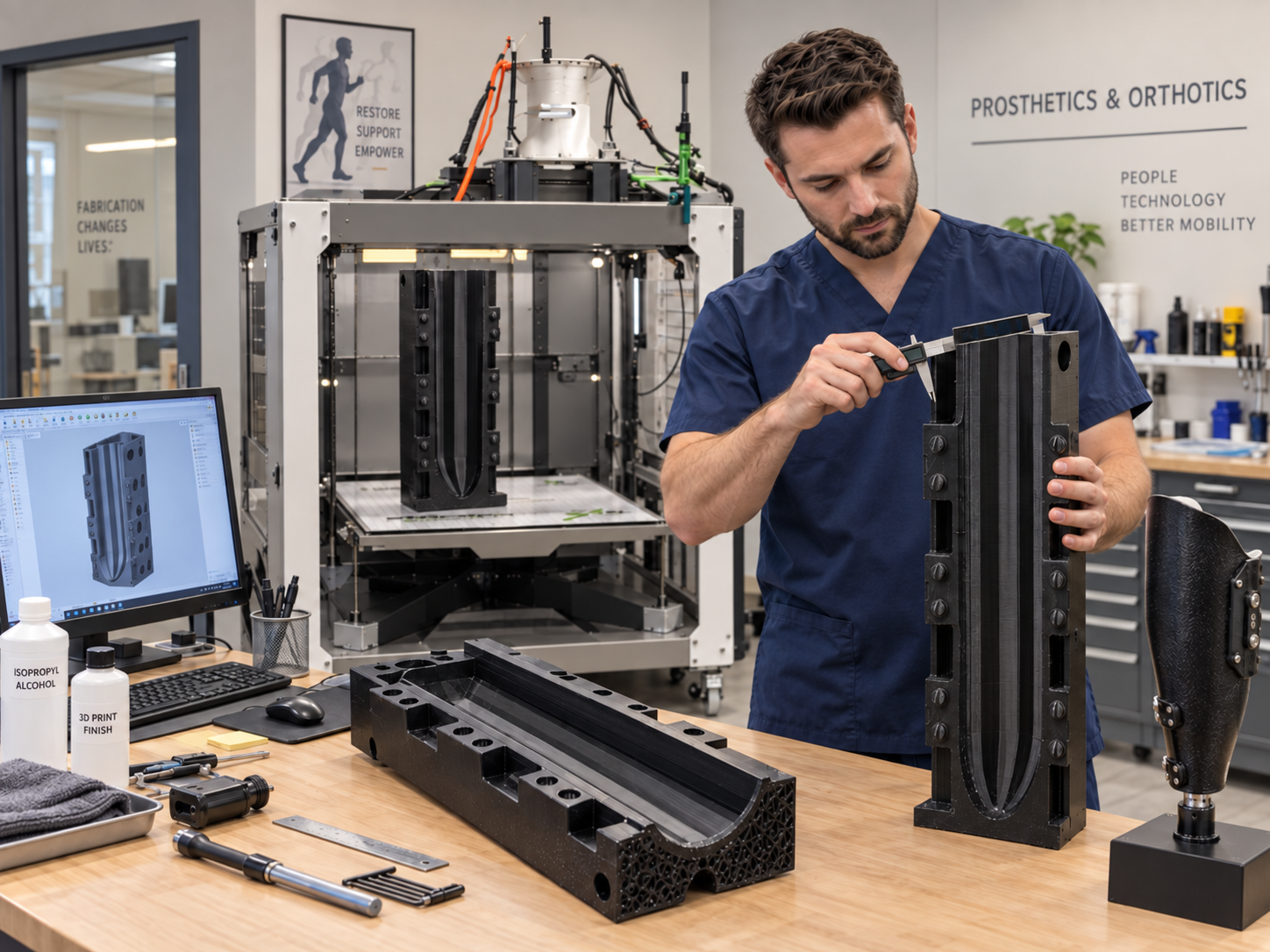
From Hesitation to Hands-On: Bringing Large-Format 3D Printing Into a Prosthetics and Orthotics Practice For many prosthetics and orthotics practitioners, the potential
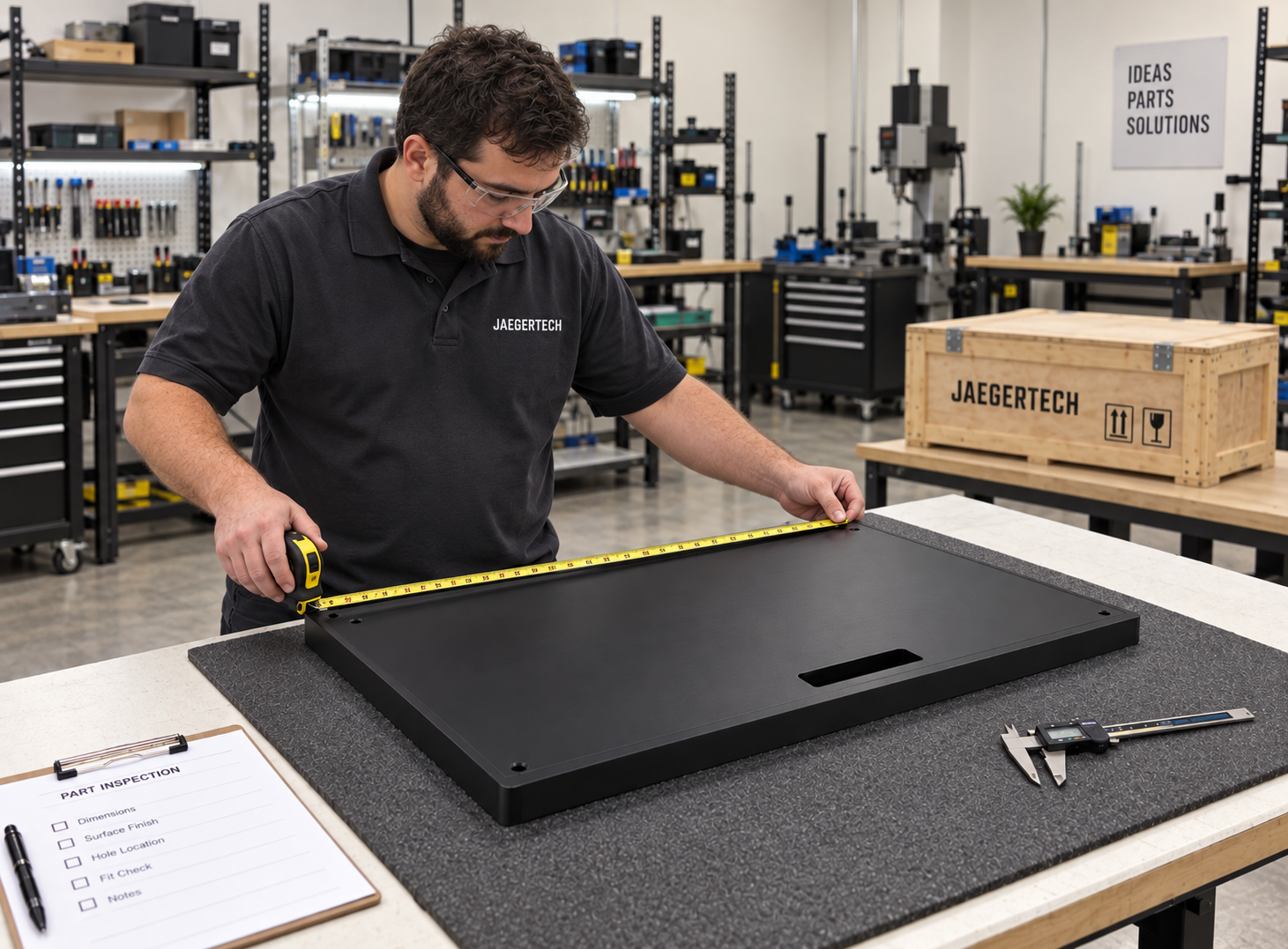
Using 3D Printing to De-Risk Production Tooling Production tooling is expensive for a reason. Whether the final process is injection molding, thermoforming,
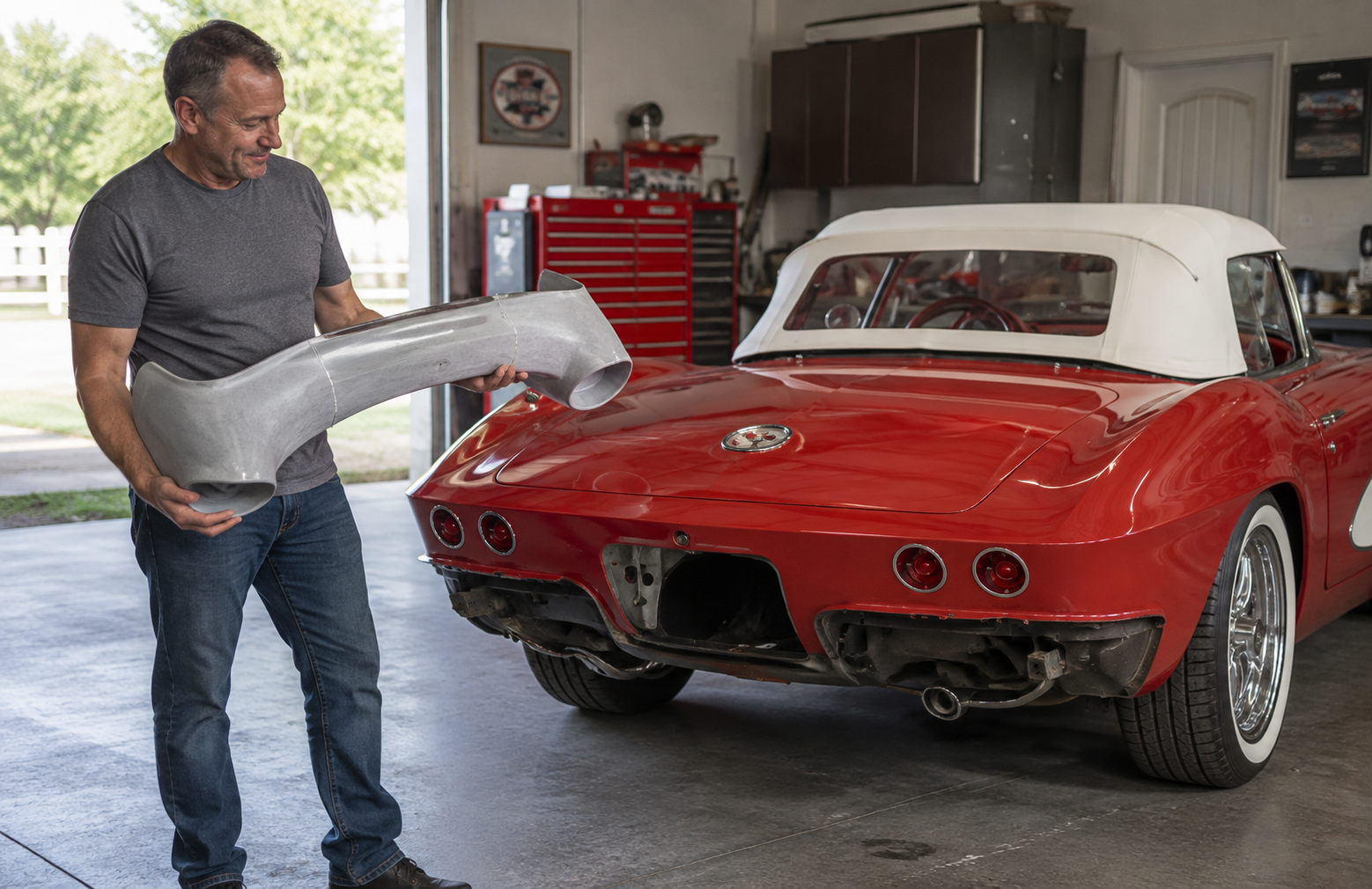
From 3D Scan to Perfect Fit: The Corvette Bumper Project Moves Forward A few weeks ago, we shared a project that demonstrated
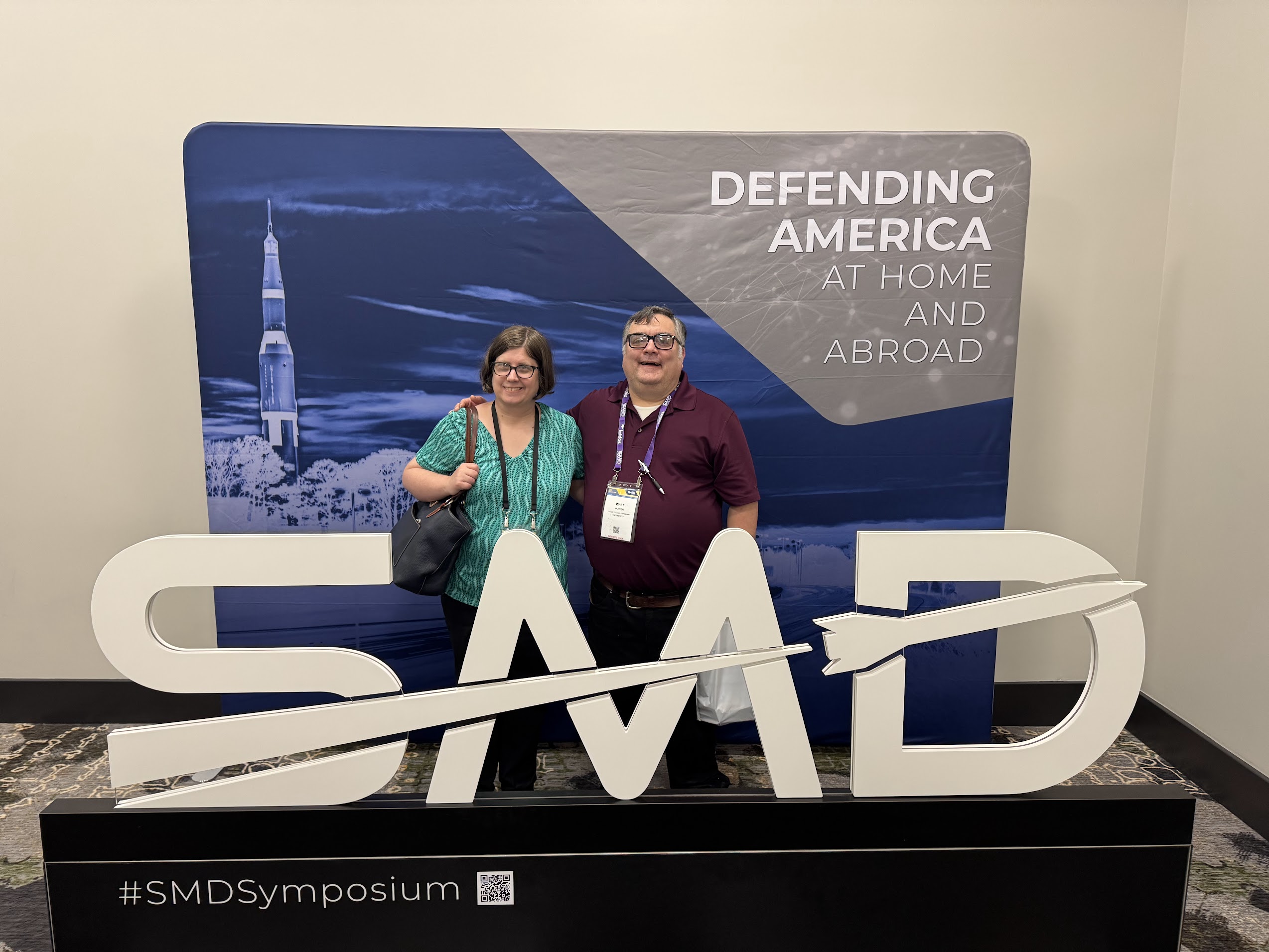
Great Conversations and New Connections at SMD in Huntsville Last week, Janelle and I had the opportunity to attend SMD in Huntsville,