
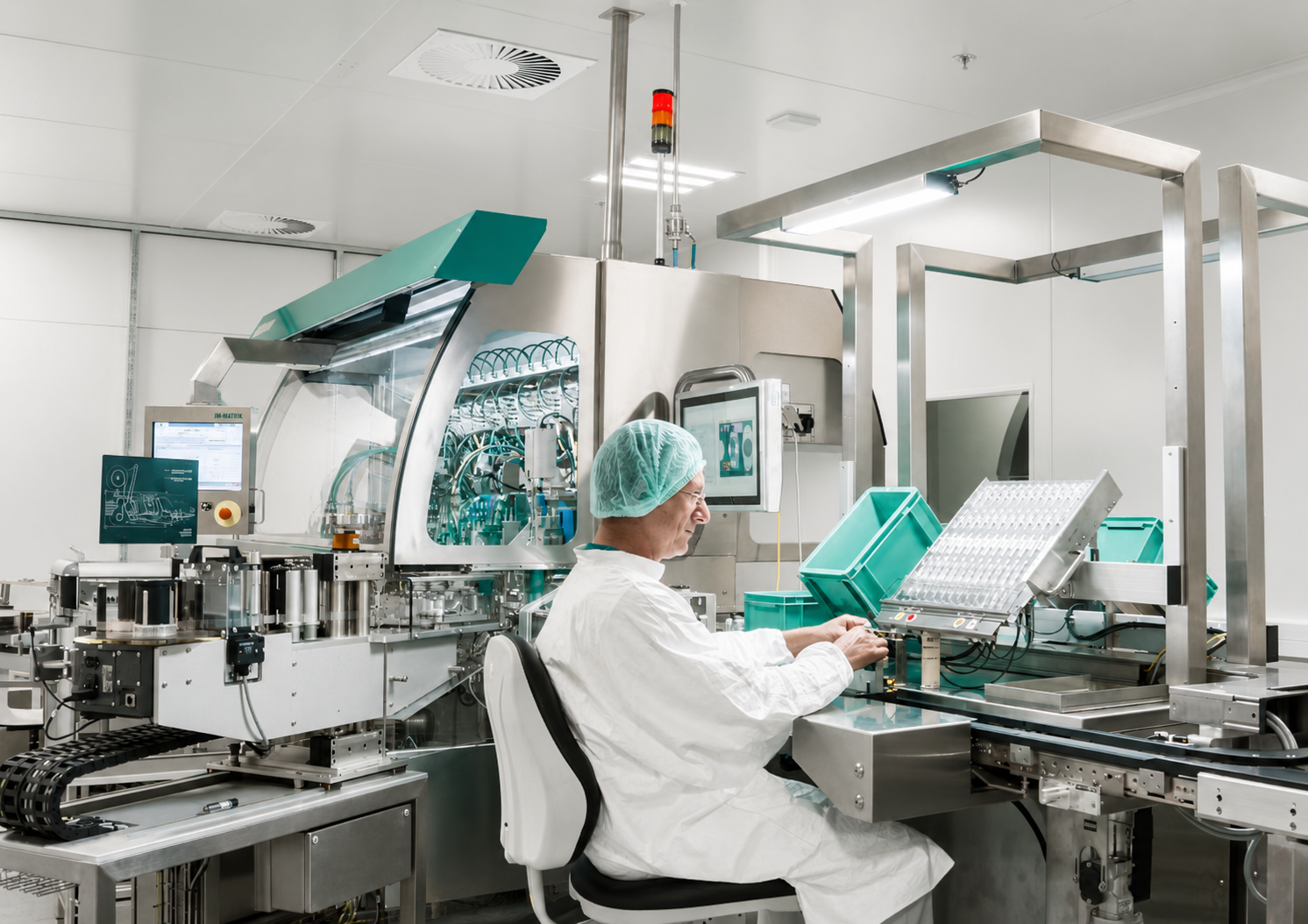
Medical Device Manufacturing in Memphis, Tennessee: Additive Manufacturing Support for Orthopedic, Spine, and Surgical Device Teams
Memphis has a strong medical device, orthopedic, spine, healthcare, logistics, and life science manufacturing base. The region supports a broad ecosystem of medical manufacturers, contract manufacturing operations, precision machining suppliers, engineering teams, healthcare institutions, and life science organizations.
At Jaeger Technology Group LLC, we support Memphis-area medical device manufacturers, orthopedic suppliers, spine companies, engineering teams, contract manufacturers, machine shops, and product development groups with industrial 3D printing, large-format additive manufacturing, DMLS/metal additive support, machining support, 3D printed patterns for casting, prototypes, jigs, fixtures, inspection gauges, development models, tooling, and short-run production support from our facility in Decatur, Alabama.
For orthopedic, spine, and surgical device teams, additive manufacturing can help turn design changes, test requirements, surgical concepts, and manufacturing problems into usable hardware faster.
Additive Manufacturing for Medical Device Development
Medical device development is highly iterative. Parts, instruments, trays, models, and tooling may need to be reviewed, tested, modified, documented, and refined before a final manufacturing direction is chosen.
3D printing can support Memphis-area medical device teams with:
- Surgical development models
- Anatomical demonstration models
- Instrument mockups
- Drill guide and reamer development models
- Prototype housings and enclosures
- Packaging nests and handling trays
- Inspection gauges and check fixtures
- Assembly fixtures
- Design verification models
- Manufacturing process aids
- Non-implant production support tooling
- Short-run development components
- 3D printed casting patterns for prototype metal parts
- DMLS/metal additive support for appropriate development applications
- Machining support for prototypes, fixtures, and production tooling
These printed parts do not need to be finished implants to provide value. In many cases, the highest-value additive manufacturing applications are the tools, models, gauges, trays, fixtures, patterns, and process aids that help engineering, quality, manufacturing, and product development teams make better decisions.
Orthopedic, Spine, Foot and Ankle, and Surgical Device Support
Memphis has meaningful orthopedic, spine, trauma, foot and ankle, surgical instrument, and contract manufacturing activity. This type of manufacturing environment often requires fast-turn development support, careful handling, practical fixtures, and tools that help teams move from prototype to production more efficiently.
JaegerTech can support related development and manufacturing work with:
- Bone and joint demonstration models
- Spine and orthopedic development models
- Surgeon education and product presentation models
- Instrument fit-check parts
- Drill, reamer, and guide concept models
- Packaging and sterilization-development trays
- Assembly aids
- Inspection fixtures
- Machine shop support tools
- Low-volume specialty components
- Production support tooling
- 3D printed foundry patterns for cast development parts
- DMLS/metal additive support where metal geometry, complexity, or low volume makes sense
- Machined prototypes, tooling, and fixture components where subtractive manufacturing is the better fit
The goal is not to replace regulated manufacturing processes where they are required. The goal is to help medical device teams move faster during development, testing, fixturing, training, packaging development, casting development, machining support, and production support.
Prototype Fixtures, Gauges, and Manufacturing Aids
Medical device manufacturing depends on precision, repeatability, process control, and careful handling. A simple fixture, tray, gauge, or assembly aid can help reduce variation and make a process easier to repeat.
JaegerTech can produce 3D printed and machined manufacturing aids for:
- Holding parts during assembly
- Supporting inspection steps
- Organizing small components
- Protecting delicate or finished surfaces
- Presenting parts in the correct orientation
- Creating repeatable lab or bench setups
- Supporting packaging development
- Building ergonomic assembly aids
- Testing instrument geometry
- Reviewing fit and clearance
- Supporting prototype machining workflows
- Creating casting patterns before hard tooling is justified
For medical device suppliers and contract manufacturers, these tools can help bridge the gap between design intent and practical manufacturing workflow.
DMLS, Machining, and Hybrid Manufacturing Support
Not every part should be made the same way. Some applications are best suited for polymer 3D printing. Others may require machining, casting, or metal additive manufacturing such as DMLS. In many development programs, the best answer is a hybrid approach.
JaegerTech can help teams evaluate practical manufacturing paths such as:
- Polymer 3D printing for fixtures, models, trays, and development tools
- DMLS/metal additive support for complex metal prototype geometries
- Machining support for accurate prototypes, tooling, and fixture components
- 3D printed patterns for cast metal development parts
- Large-format additive manufacturing for oversized tooling and models
- Short-run support parts before final production tooling is ready
This matters in medical device development because early decisions can affect cost, timing, test quality, and manufacturing risk. The right process depends on geometry, material requirements, tolerance, surface finish, quantity, regulatory context, and how the part will be used.
3D Printed Patterns for Casting
Medical device manufacturing regions also rely on machine shops, foundries, tooling suppliers, automation builders, equipment vendors, maintenance groups, and industrial support companies. JaegerTech produces 3D printed foundry patterns, core boxes, loose patterns, match plate components, and casting support tooling for prototype castings, replacement tooling, and short-run industrial components.
A practical foundry pattern may require:
- Draft
- Shrinkage allowance
- Parting-line planning
- Core prints
- Fillets and radii
- Surface finishing
- Pattern durability
- Foundry-floor usability
For machine shops and industrial suppliers serving the medical device sector, 3D printed patterns can support cast prototype parts, repair components, short-run production, and casting-related development work that helps keep projects moving.
Contract Manufacturing and Prototype-to-Production Support
Medical device contract manufacturing often requires more than finished components. Development teams need practical support tooling, process-development fixtures, inspection aids, packaging nests, prototype parts, casting patterns, machined components, and short-run parts that help them refine the product and the manufacturing process.
Additive manufacturing and machining can support:
- Engineering prototypes
- Process-development fixtures
- Inspection aids
- Packaging nests
- Assembly supports
- Handling trays
- Test-fit parts
- Short-run support components
- Demonstration models
- Machined fixture components
- 3D printed patterns for prototype castings
- Metal additive development support where appropriate
Additive manufacturing is especially useful when the design is still changing, the quantity is low, or the team needs a practical part quickly before investing in more expensive tooling.
Large-Format 3D Printing for Bigger Medical and Industrial Tools
Some development models, fixtures, packaging tools, casting patterns, and manufacturing aids are too large for small-format printers. JaegerTech specializes in larger-format additive manufacturing for full-size prototypes, tooling, molds, patterns, fixtures, and industrial support parts.
Large-format 3D printing can be useful for:
- Full-size anatomical or demonstration models
- Large assembly fixtures
- Packaging development tools
- Equipment covers and guards
- Vacuum forming tools
- Composite support tooling
- Large prototype housings
- Handling fixtures
- Shipping and presentation aids
- Foundry patterns for related industrial components
- Oversized master patterns and tooling aids
Large parts require practical planning around print orientation, sectioning, bonding, stiffness, surface finish, material selection, and how the tool will be handled or used.
Materials and Process Selection for Medical Device Development Support
We work with practical materials and manufacturing processes selected around the application, including:
- PLA and PETG for prototypes and fit checks
- ASA for durable and UV-resistant parts
- ABS and ABS blends for general functional tooling
- PCTG for tough functional components
- TPU for flexible, protective, or grip-style parts
- Nylon and carbon-fiber-filled nylon for stronger fixtures
- High-temperature and specialty materials when appropriate
- Machined materials where tighter tolerances or production-grade performance are required
- Cast metal parts developed from 3D printed patterns
- DMLS/metal additive options where complex metal geometry or low-volume development needs justify the process
Material and process selection depends on heat, stiffness, impact resistance, chemical exposure, dimensional stability, wear, appearance, tolerance, surface finish, quantity, and expected service conditions. For medical device applications, we are careful to distinguish between development tools and production support parts versus regulated patient-contact or implantable components.
Supporting Memphis From Decatur, Alabama
JaegerTech is based in Decatur, Alabama, and supports manufacturers, medical device teams, engineering groups, machine shops, foundries, universities, and production teams across the Southeast and broader industrial region.
For Memphis-area orthopedic, spine, and medical device companies, working with JaegerTech can be useful when a project needs practical additive manufacturing support, development models, fixture development, DMLS/metal additive support, machining support, 3D printed casting patterns, large-format printing capability, foundry patternmaking knowledge, or hands-on manufacturing problem solving.
Why Memphis Medical Device Teams Work With JaegerTech
JaegerTech brings:
- 30+ years of industrial and technical experience
- Additive manufacturing experience dating back to the early days of the industry
- Large-format 3D printing capability
- Practical manufacturing and product development support experience
- Medical device and prototype development experience
- DMLS/metal additive support for appropriate applications
- Machining support for prototypes, fixtures, and tooling
- 3D printed patterns for casting and foundry development
- Foundry and patternmaking knowledge
- Work across medical, aerospace, automotive, industrial, educational, and casting applications
- Real-world problem solving, not just file printing
We understand that medical device development and manufacturing support parts have to work in the real world — at the bench, in the lab, in the inspection area, in packaging development, in production support, at the machine shop, in casting development, and in the hands of the people using them.
Need Additive Manufacturing Support for Medical Device Manufacturing Near Memphis?
If your Memphis-area medical device company, orthopedic supplier, spine company, contract manufacturer, machine shop, or engineering team needs a prototype, development model, fixture, inspection gauge, packaging nest, machined component, DMLS/metal additive support, 3D printed casting pattern, large-format component, production aid, or short-run part, Jaeger Technology Group LLC can help.
We support Memphis, Warsaw, Indianapolis, Louisville, St. Louis, Nashville, Huntsville, Birmingham, Decatur, North Alabama, and manufacturers across the Southeast and Midwest with practical additive manufacturing solutions.
Contact JaegerTech today to discuss your project, request a quote, or find out whether 3D printing, machining, DMLS, casting support, or another manufacturing process is the right path for your application.
About the Author: jaegertechgroup.com

STAY IN THE LOOP
Subscribe to our free newsletter.
Leave A Comment
Related Posts
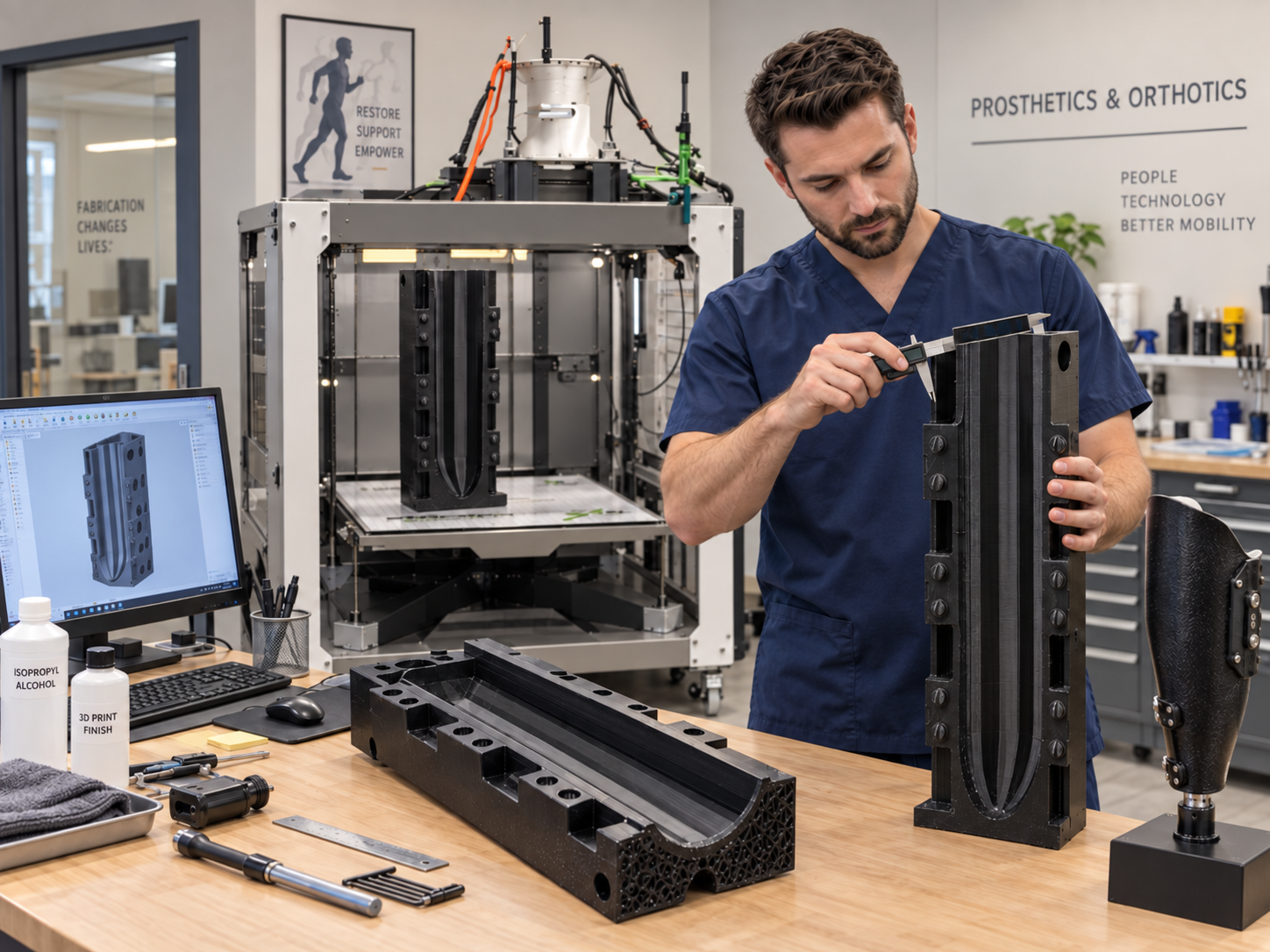
From Hesitation to Hands-On: Bringing Large-Format 3D Printing Into a Prosthetics and Orthotics Practice For many prosthetics and orthotics practitioners, the potential
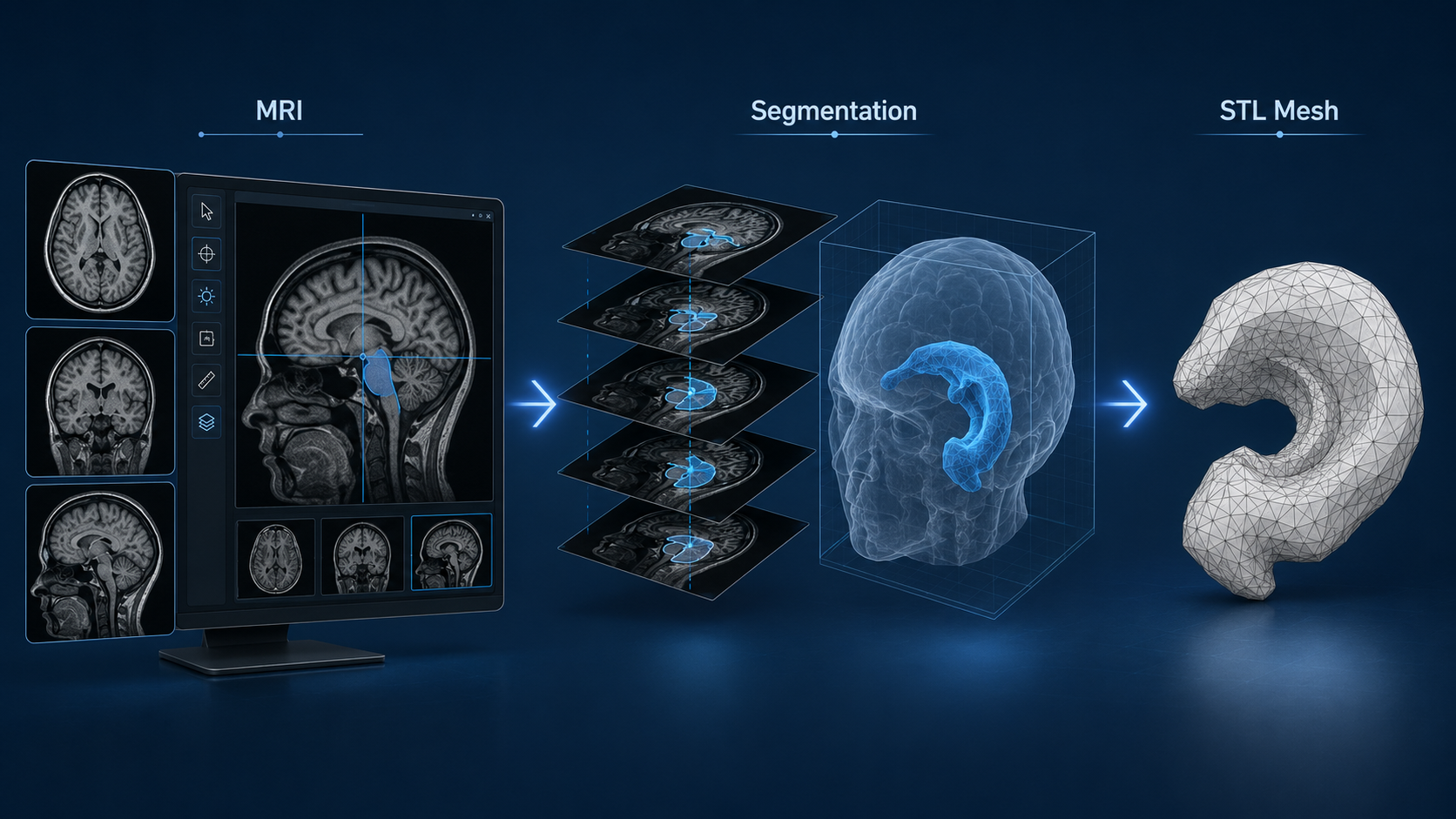
How DICOM Medical Imaging Becomes a 3D Printable STL Model Medical 3D printing usually starts with imaging data. For many medical models,
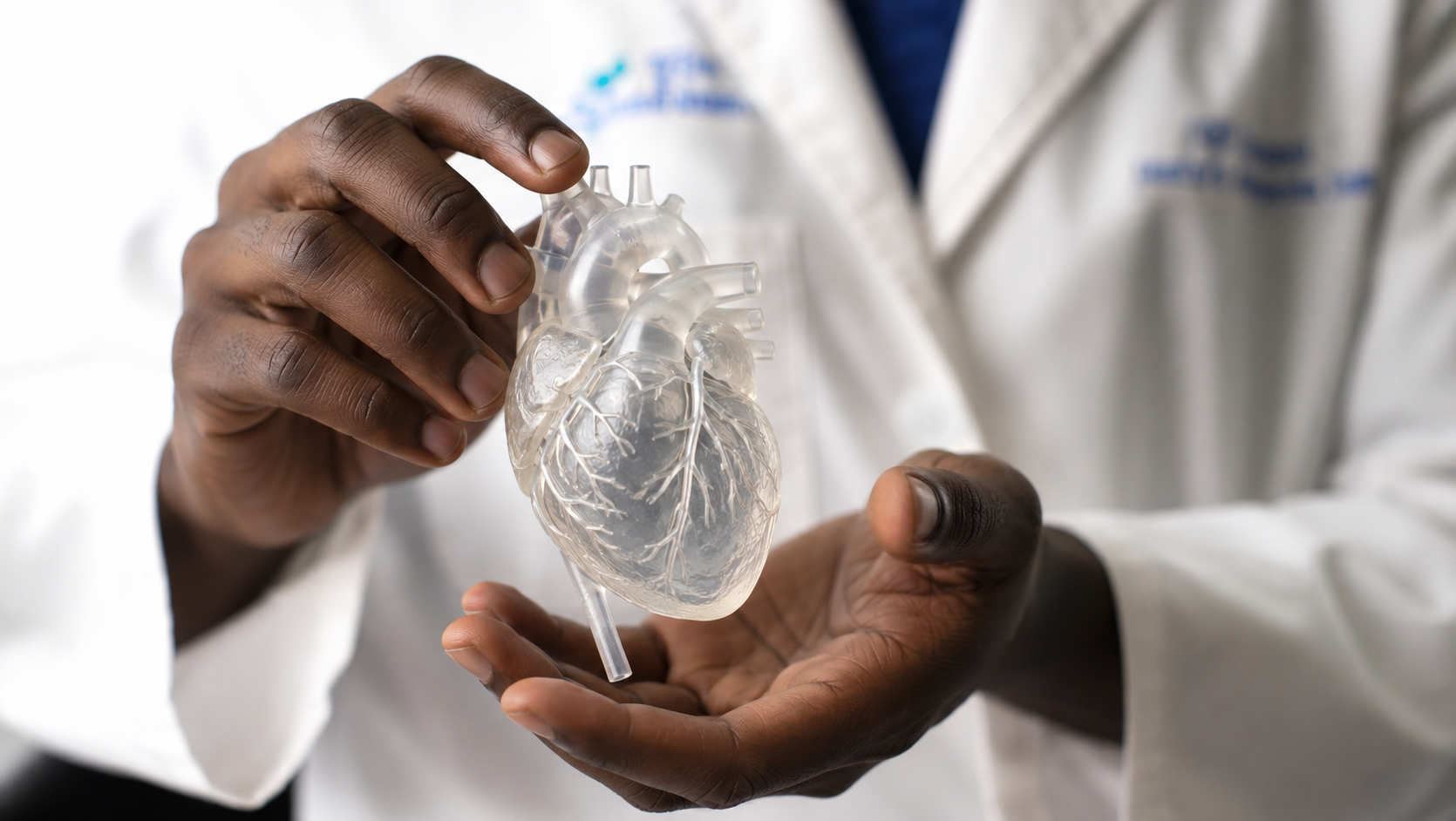
3D Printed Medical Models for Training, Patient Education, Surgical Planning, and Legal Support Medical imaging is powerful, but it is still usually
Confidential Medical Device Prototype: Sensor Integration and Local Event Logging Helping a Research Team Move from Concept to Testable Hardware A research