
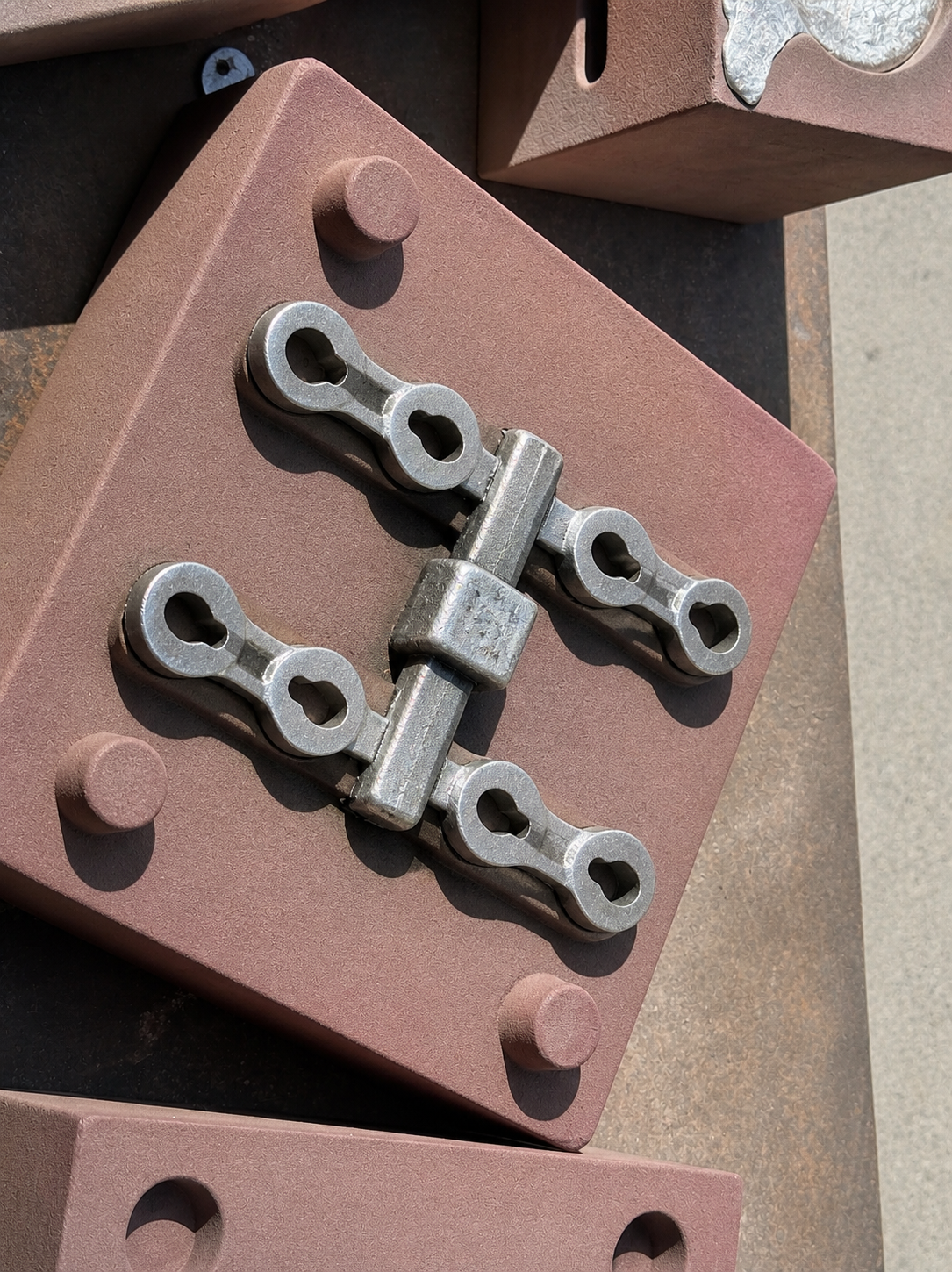
Why Shrink Allowance Matters in 3D Printed Casting Patterns
A casting pattern is not the same size as the finished part. Metal shrinks as it cools, and that shrinkage must be accounted for before the mold is made. This is called shrink allowance, and it is one of the most important details in foundry patternmaking.
At Jaeger Technology Group LLC, we design and produce 3D printed casting patterns with shrink allowance built into the CAD model.
What Is Shrink Allowance?
Shrink allowance is the intentional increase in pattern size to compensate for metal contraction during solidification and cooling. Different metals shrink by different amounts, so the pattern must be scaled based on the casting material and foundry requirements.
Common considerations include:
- Metal type
- Casting geometry
- Wall thickness
- Foundry process
- Machining allowance
- Dimensional tolerance
- Directional shrinkage concerns
Why 3D Printing Helps
With 3D printed patterns, shrink allowance can be applied digitally and consistently. The CAD model can be scaled intentionally, reviewed before printing, and revised if needed.
This is especially useful for:
- Prototype castings
- Sand casting patterns
- Match plates
- Loose patterns
- Core boxes
- Industrial replacement parts
- Production support tooling
Digital control reduces guesswork and makes it easier to reproduce the same tooling later.
Work With Jaeger Technology Group LLC
If your foundry needs 3D printed casting patterns, shrink allowance support, match plates, loose patterns, or foundry tooling, Jaeger Technology Group LLC can help create practical, foundry-ready patterns for your casting workflow.
About the Author: jaegertechgroup.com

STAY IN THE LOOP
Subscribe to our free newsletter.
Leave A Comment
Best $150 I’ve Ever Spent on This Car Classic car projects have a way of turning simple problems into complicated ones. A

Using Development Boards in Early Hardware Prototypes Other Parts of this series: Part 2 – Choosing The Right Development Board Part 3
3D Printed Patterns for Investment Casting: Material, Support, and Ceramic Shell Considerations Investment casting has always depended on the quality of the
ESD-safe coatings can add static-dissipative behavior, helping reduce the risk of damage to printed parts used around electronics.