
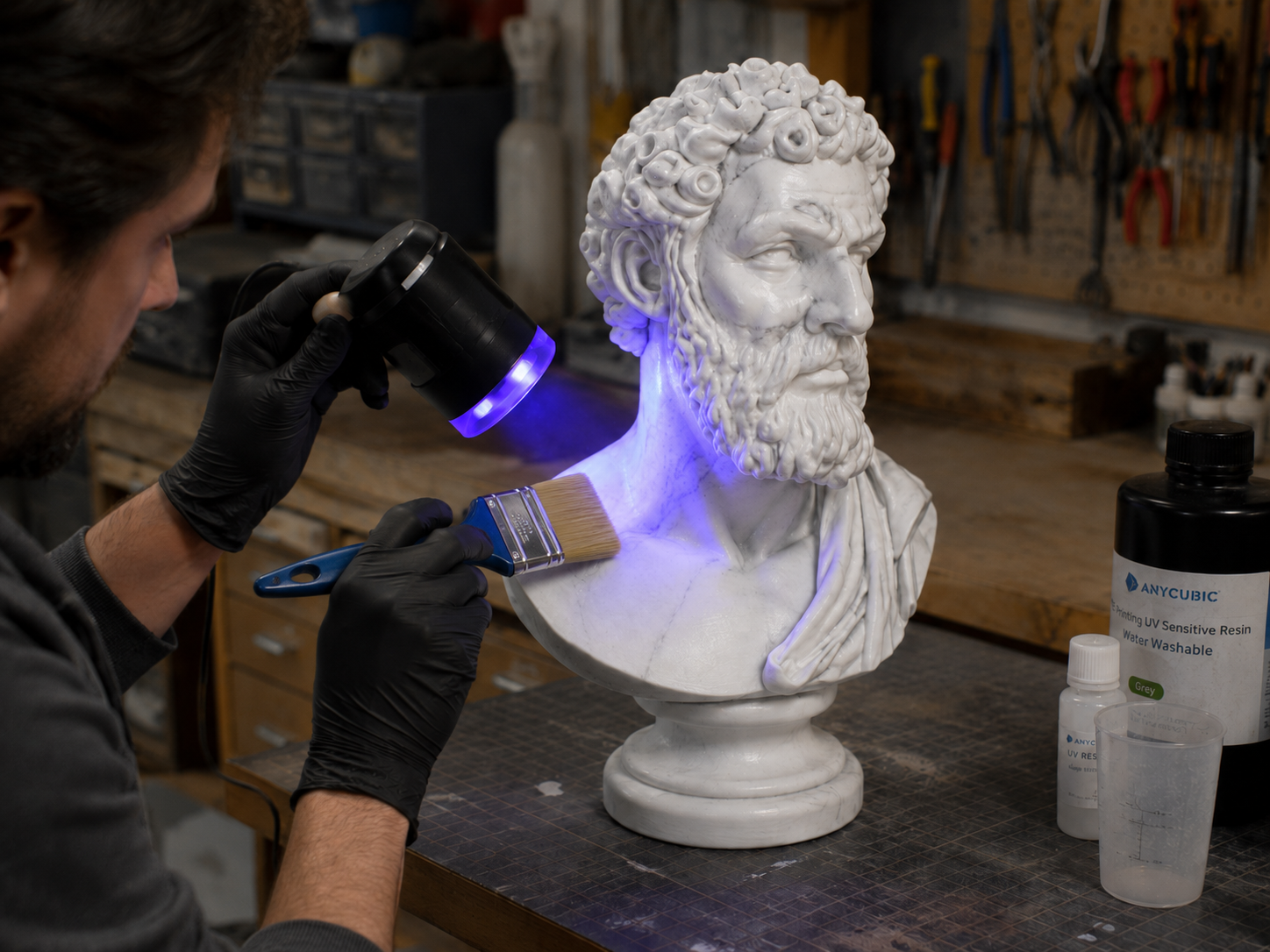
Photopolymer and UV-Curable Coatings
Photopolymer coatings and UV-curable resins can be brushed, sprayed, or applied to printed parts and cured with UV light. These coatings can build a smooth surface quickly if the geometry allows proper curing.
Common Uses
UV coatings can be useful for:
- Small models
- Visual prototypes
- Surface smoothing
- Resin-like finish on FDM prints
- Pattern masters
- Display parts
- Sealing porous surfaces
- Rapid finishing workflows
Advantages
Photopolymer coatings can offer:
- Fast cure
- Smooth surface
- Good detail retention when thin
- Quick build compared with some coatings
- Useful for small parts
- Controlled curing with UV exposure
- Good cosmetic potential
Disadvantages
Limitations include:
- UV cure must reach the coating
- Shadowed areas may remain uncured
- Some resins are brittle
- Handling hazards before cure
- Odor and skin sensitization risk
- Oxygen inhibition in some systems
- Poor high-temperature performance depending on resin
- Long-term yellowing or brittleness
- Not always ideal for large parts
JaegerTech View
Photopolymer coatings are useful for certain models and pattern surfaces, especially small or moderately sized parts. They require careful cure control and PPE. They are not automatically better than epoxy or primer systems for industrial tooling.
About the Author: jaegertechgroup.com

STAY IN THE LOOP
Subscribe to our free newsletter.
Leave A Comment
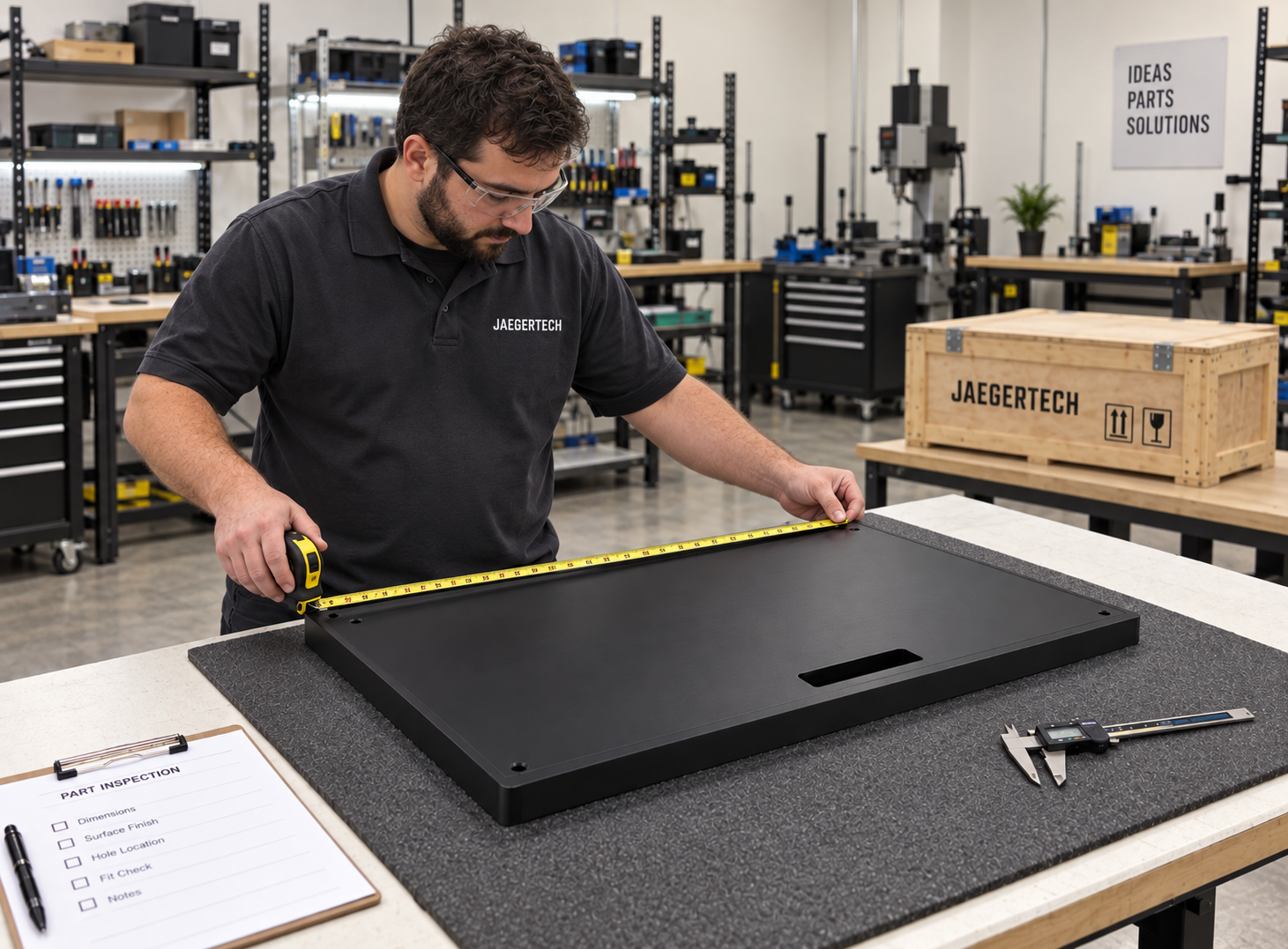
Using 3D Printing to De-Risk Production Tooling Production tooling is expensive for a reason. Whether the final process is injection molding, thermoforming,
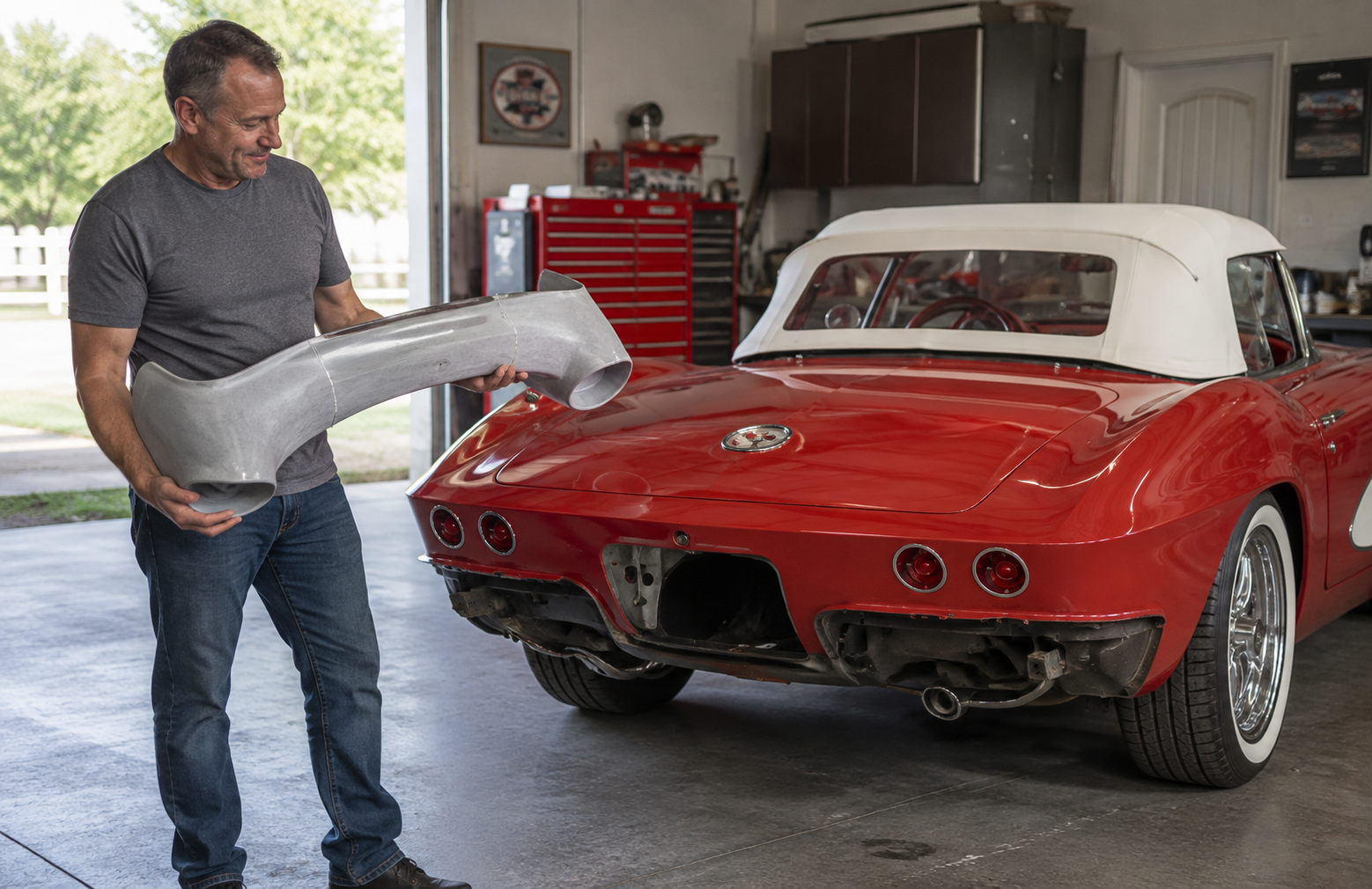
From 3D Scan to Perfect Fit: The Corvette Bumper Project Moves Forward A few weeks ago, we shared a project that demonstrated
Great Conversations and New Connections at SMD in Huntsville Last week, Janelle and I had the opportunity to attend SMD in Huntsville,
Repairing a Discontinued Polypropylene ATV Snorkel With Plastic Welding When a customer could not locate a replacement snorkel for his 21-year-old ATV,