
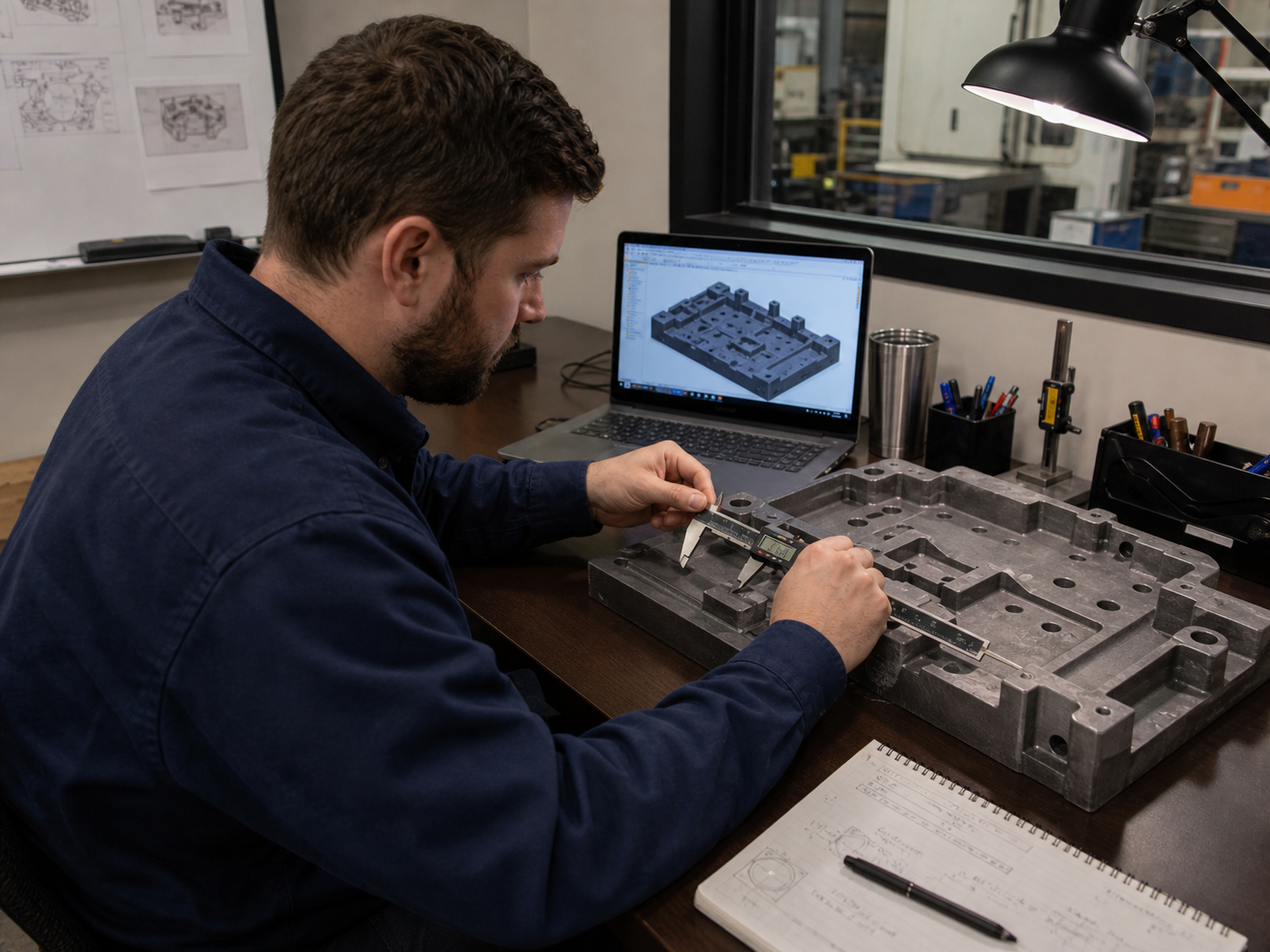
Why Draft Matters in 3D Printed Foundry Patterns
In foundry patternmaking, draft is not optional. Whether the pattern is a loose pattern, a match plate, a cope-and-drag pattern, or a reusable production tool, draft helps the pattern release cleanly from the sand without tearing the mold cavity.
At Jaeger Technology Group LLC, we design and produce 3D printed foundry patterns with draft built directly into the CAD model. This allows foundries and manufacturers to get reusable patterns that are more consistent, more repeatable, and easier to mold than improvised or poorly drafted tooling.
What Is Draft?
Draft is the slight taper added to vertical surfaces of a pattern so the pattern can be withdrawn from the sand. Without draft, straight walls can drag against the mold face, damage details, break edges, or distort the cavity.
Even a small amount of draft can make a major difference in how easily a pattern pulls.
Draft is especially important for:
- Loose patterns
- Match plates
- Cope-and-drag patterns
- Core boxes
- Reusable sand casting patterns
- Larger patterns with deep vertical walls
- Patterns with pockets, ribs, bosses, or raised features
Why Draft Is So Important
A foundry pattern is not just a copy of the final part. It has to be designed for the molding process.
Good draft helps:
- Reduce sand tear-out
- Improve pattern release
- Protect fine features
- Improve repeatability from mold to mold
- Reduce rework at the foundry
- Lower the chance of mold defects
- Make ramming, pulling, and closing the mold more predictable
Poor draft can create problems that show up later as casting defects, dimensional variation, extra finishing work, or outright scrap.
For reusable patterns, draft becomes even more important because the pattern may be pulled many times. A pattern that fights the sand every time it is used costs the foundry time and consistency.
3D Printed Draft Is More Precise
One advantage of modern 3D printed patternmaking is that draft can be modeled directly and accurately in CAD.
Instead of hand-shaping draft into a pattern after the fact, Jaeger Technology Group LLC can design draft angles into the digital model before printing. That means the pattern can be built with controlled geometry, consistent angles, and repeatable features.
This is especially useful on:
- Match plates with multiple features
- Loose patterns with complex geometry
- Patterns with ribs, bosses, pockets, and flanges
- Split patterns and multi-part tooling
- Core prints and core boxes
- Large-format foundry patterns
Because the draft is created digitally, it can be adjusted, measured, reviewed, and reproduced. If a foundry wants one degree, two degrees, three degrees, or different draft on different surfaces, that can be built into the model intentionally.
That level of control is one reason 3D printed foundry patterns can be a strong alternative to rough or manually modified prototype tooling.
Draft for Match Plates and Loose Patterns
For match plates, draft helps ensure both sides of the pattern release cleanly from the sand. Since match plates are designed for repeat use, consistent draft supports faster molding and better repeatability.
For loose patterns, draft is just as important. Loose patterns are often handled manually, and poor release can damage the mold cavity. Proper draft makes the pattern easier to pull and reduces the need for excessive repair after withdrawal.
In both cases, 3D printing allows the draft to be part of the pattern from the beginning, not an afterthought.
Work With Jaeger Technology Group LLC
If your foundry or manufacturing team needs 3D printed patterns, match plates, loose patterns, core boxes, or reusable foundry tooling, Jaeger Technology Group LLC can help.
We design and produce foundry patterns with proper draft, shrink allowance, parting strategy, and molding practicality in mind.
Contact Jaeger Technology Group LLC to discuss 3D printed foundry patterns, match plates, loose patterns, and reusable casting tooling.
About the Author: jaegertechgroup.com

STAY IN THE LOOP
Subscribe to our free newsletter.
Leave A Comment
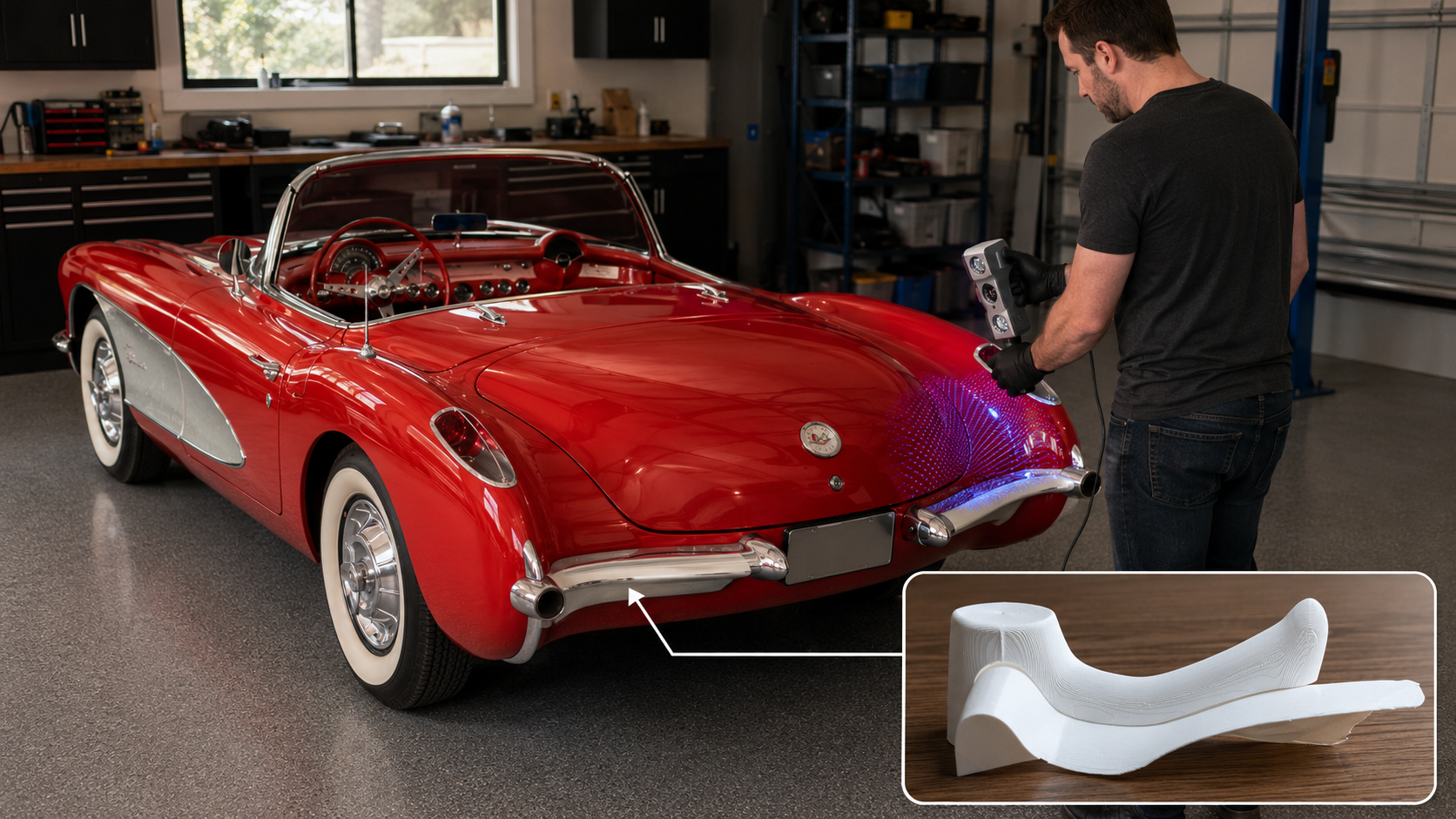
Best $150 I’ve Ever Spent on This Car Classic car projects have a way of turning simple problems into complicated ones. A

Using Development Boards in Early Hardware Prototypes Other Parts of this series: Part 2 – Choosing The Right Development Board Part 3
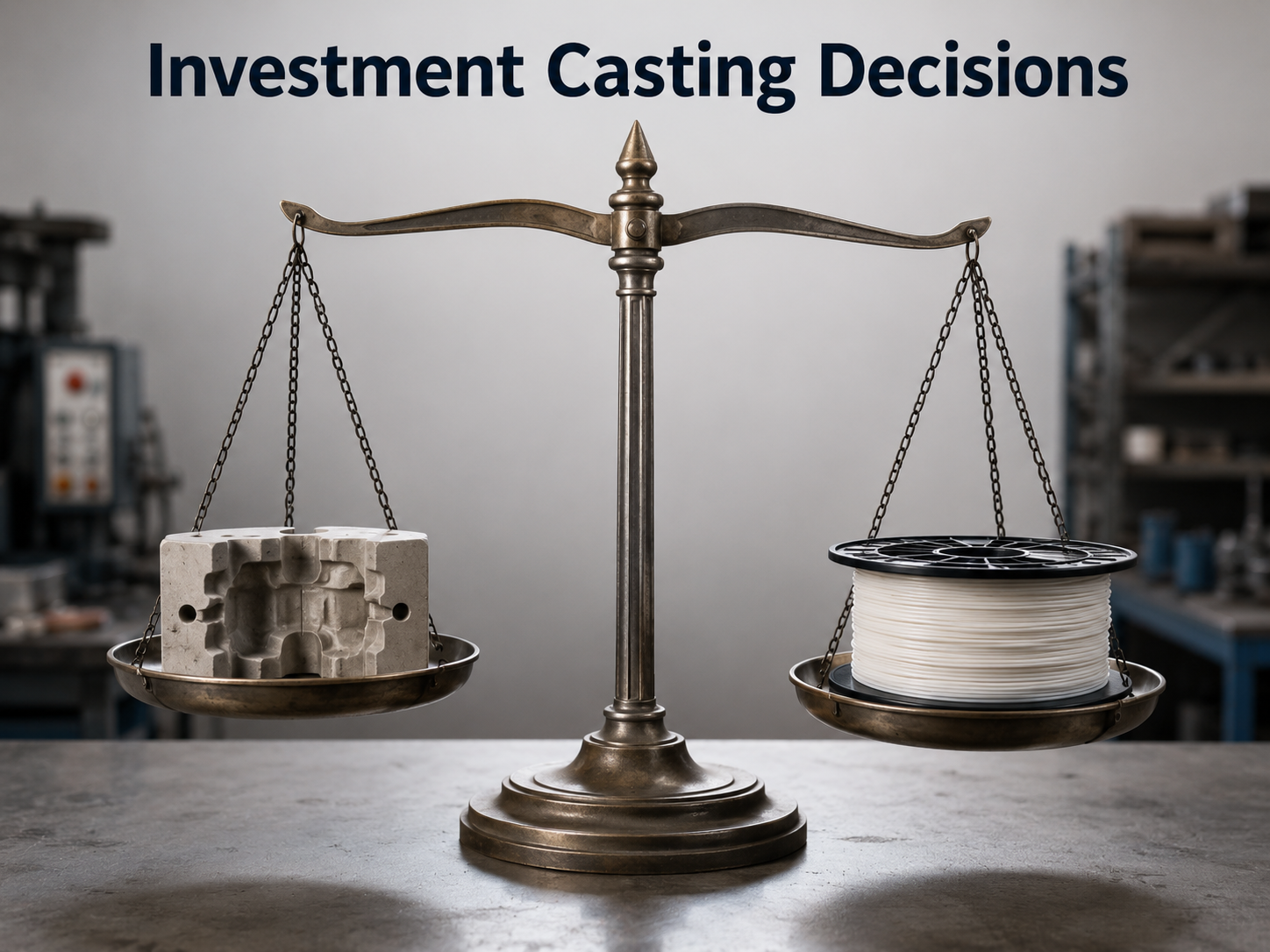
3D Printed Patterns for Investment Casting: Material, Support, and Ceramic Shell Considerations Investment casting has always depended on the quality of the
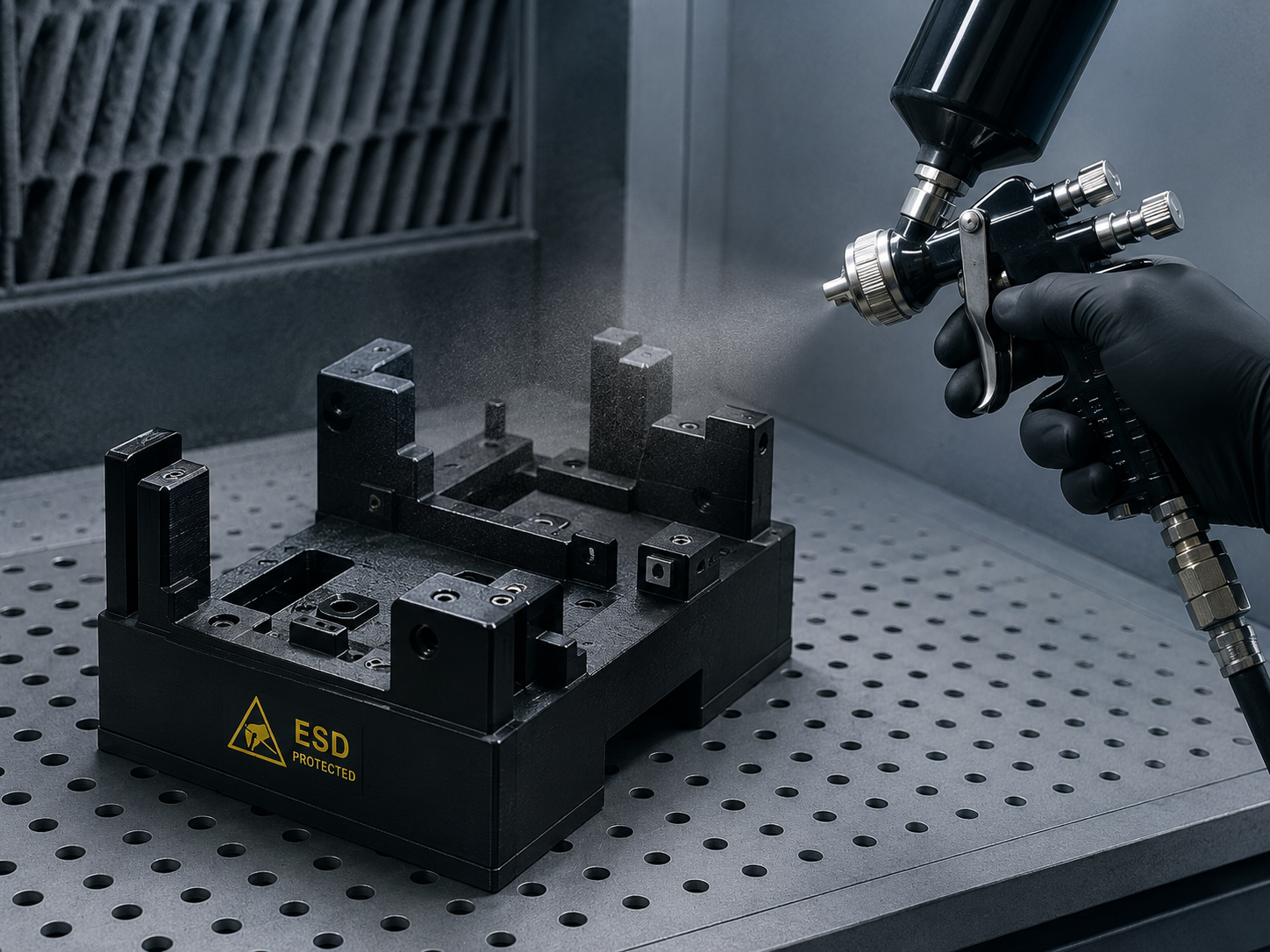
ESD-safe coatings can add static-dissipative behavior, helping reduce the risk of damage to printed parts used around electronics.