
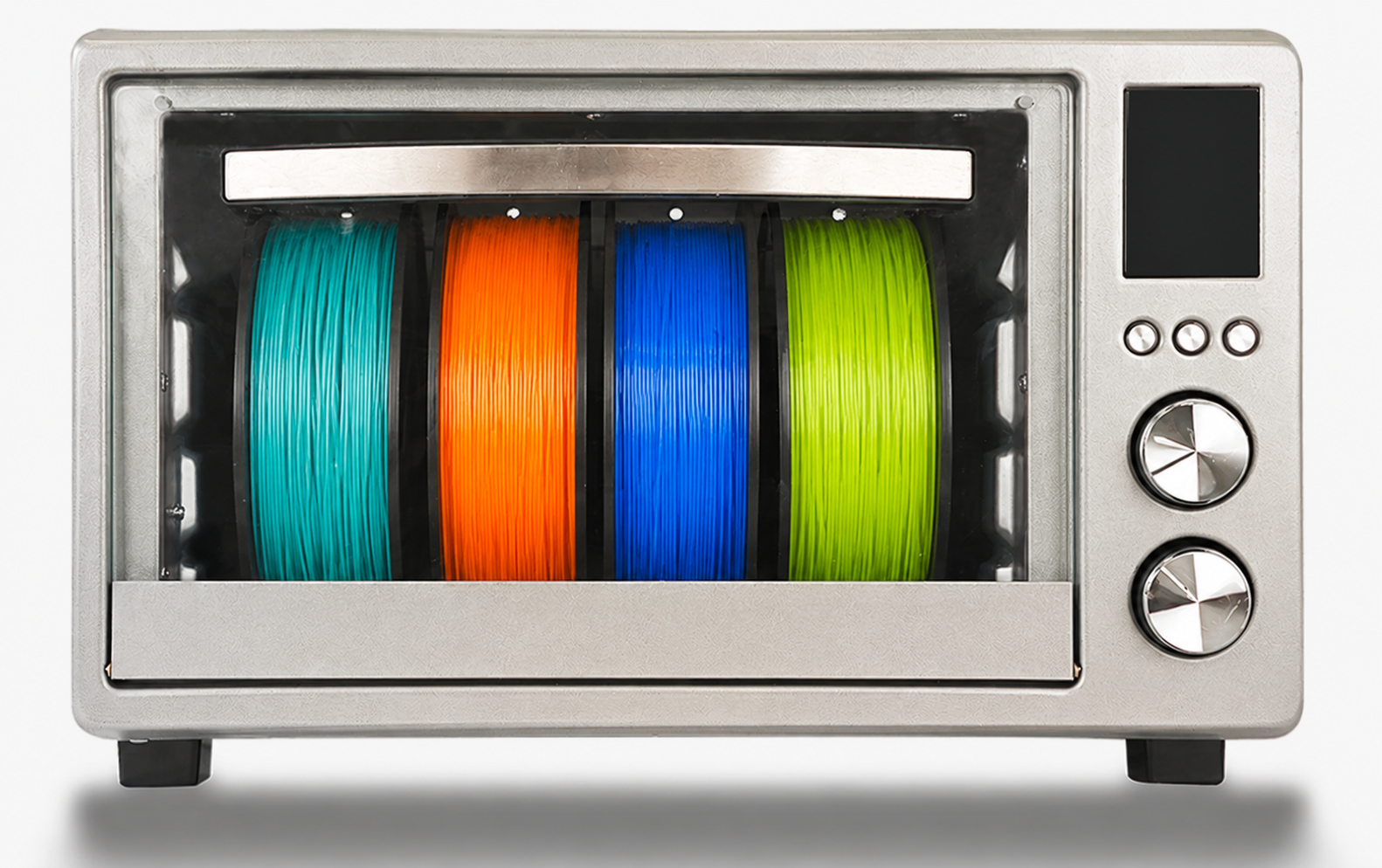
Understanding FDM / FFF 3D Printing Materials for Industrial Applications
FDM/FFF 3D printing is not one material category. It is a manufacturing process that can use a wide range of thermoplastics, from basic PLA for visual models to advanced polymers such as PPS, PEI/ULTEM™, PEEK, PEKK, and newer high-performance materials like Tullomer™.
At Jaeger Technology Group LLC, we help manufacturers, engineers, product developers, foundries, and machine shops choose practical materials for prototypes, jigs, fixtures, inspection gauges, foundry patterns, tooling, short-run production parts, casting patterns, and manufacturing support components.
The right material depends on the application. A fixture used on a production floor may need toughness, dimensional stability, and wear resistance. A foundry pattern may need size, surface finish, and durability. A burnout pattern may need clean burnout behavior. A flexible pad may need TPU. A high-temperature or chemically aggressive application may require PPS, PEI, PEEK, or PEKK.
Common FDM / FFF Material Families
| Material Family | Common Uses | Relative Cost | Notes |
|---|---|---|---|
| PLA | Prototypes, concept models, visual aids, low-stress parts | $ | Very inexpensive, easy to print, and cost-effective, but not ideal for heat, impact, or demanding industrial use. |
| PETG / PCTG | Functional parts, brackets, covers, guards, shop-use components | $–$$ | Tougher than PLA and useful for many general-purpose industrial applications. |
| ABS / ASA | Tooling, housings, fixtures, outdoor parts, UV-resistant applications | $–$$ | Good for durable parts; ASA is preferred when UV resistance is important. |
| Polyamide / Nylon | Tough fixtures, brackets, wear-resistant parts, engineering components | $$–$$$ | Strong, durable, and useful for industrial parts; moisture control is important. |
| HIPS | Support material, patterns, models, lightweight prints | $–$$ | Useful as a support material and for certain pattern or model workflows. |
| PVB | Smoothable display parts, cosmetic models, presentation pieces, some pattern applications | $$ | Can be smoothed for improved appearance and surface finish. |
| Wax / Casting Filaments | Investment casting, lost-pattern workflows, burnout applications | $$–$$$ | Selected when clean burnout or casting workflow compatibility is the main requirement. |
| TPU / TPE | Flexible pads, grippers, bumpers, seals, vibration isolation, soft-contact tooling | $$–$$$ | Useful where flexibility, cushioning, or soft contact is needed. |
| PC / PP / Soluble Supports / Filled Composites | Specialized parts requiring stiffness, chemical resistance, support removal, conductivity, abrasion resistance, or special behavior | $$–$$$$ | Includes carbon-fiber-filled, glass-filled, ESD-safe, soluble, and other engineered variants. |
| PPS | Chemical-resistant parts, heat-resistant parts, dimensionally stable industrial components | $$$–$$$$ | More advanced engineering material for demanding industrial environments. |
| Tullomer™ | Specialized high-performance applications | $$$$ | Can be expensive compared with common engineering filaments; best used when its properties justify the cost and process work. |
| PEI / ULTEM™, PEEK, PEKK | High-temperature, high-performance applications | $$$$–$$$$$ | These materials require serious printer capability and process control. PEEK and PEKK, in particular, can be very expensive. |
Cost Key:
$ = very cheap
$$ = affordable / common engineering material
$$$ = moderately expensive
$$$$ = expensive
$$$$$ = very expensive
Material Selection Starts With the Application
Material selection should always start with the use case, not the material name. The most important questions are:
| Selection Question | Why It Matters |
|---|---|
| Will the part see heat? | Determines whether PLA/PETG is acceptable or whether higher-temperature materials are needed. |
| Will the part carry load or see impact? | Helps determine whether tougher materials like PETG, nylon, PC, or composites are appropriate. |
| Will it contact chemicals, oils, coolants, or solvents? | May require materials such as PP, PPS, nylon, or other chemically resistant polymers. |
| Will it be used outdoors or around UV exposure? | ASA is often a better choice than ABS for outdoor use. |
| Will it experience wear, sliding, or repeated handling? | Nylon, filled composites, and certain engineering materials may perform better. |
| Does it need to flex or compress? | TPU/TPE may be appropriate for pads, bumpers, grippers, and soft tooling. |
| Is it a casting or burnout pattern? | Wax, casting filaments, PVB, PLA, or other pattern materials may be considered depending on the process. |
| Is it a prototype, fixture, inspection gauge, or final-use component? | The required durability, finish, tolerance, and cost target change depending on the job. |
A good material choice can make the difference between a part that simply prints and a part that actually works.
For industrial FDM/FFF 3D printing, the best answer is rarely “use the strongest material.” The best answer is the material that matches the job, the budget, the printer, the timeline, and the real operating conditions.
At Jaeger Technology Group LLC, we help customers choose practical FDM/FFF materials for real industrial applications — not just what looks good on a filament data sheet.
Need help selecting the right material for a prototype, fixture, foundry pattern, tooling component, or short-run production part? Contact Jaeger Technology Group LLC to discuss your application.
About the Author: jaegertechgroup.com

STAY IN THE LOOP
Subscribe to our free newsletter.
Leave A Comment
Great Conversations and New Connections at SMD in Huntsville Last week, Janelle and I had the opportunity to attend SMD in Huntsville,
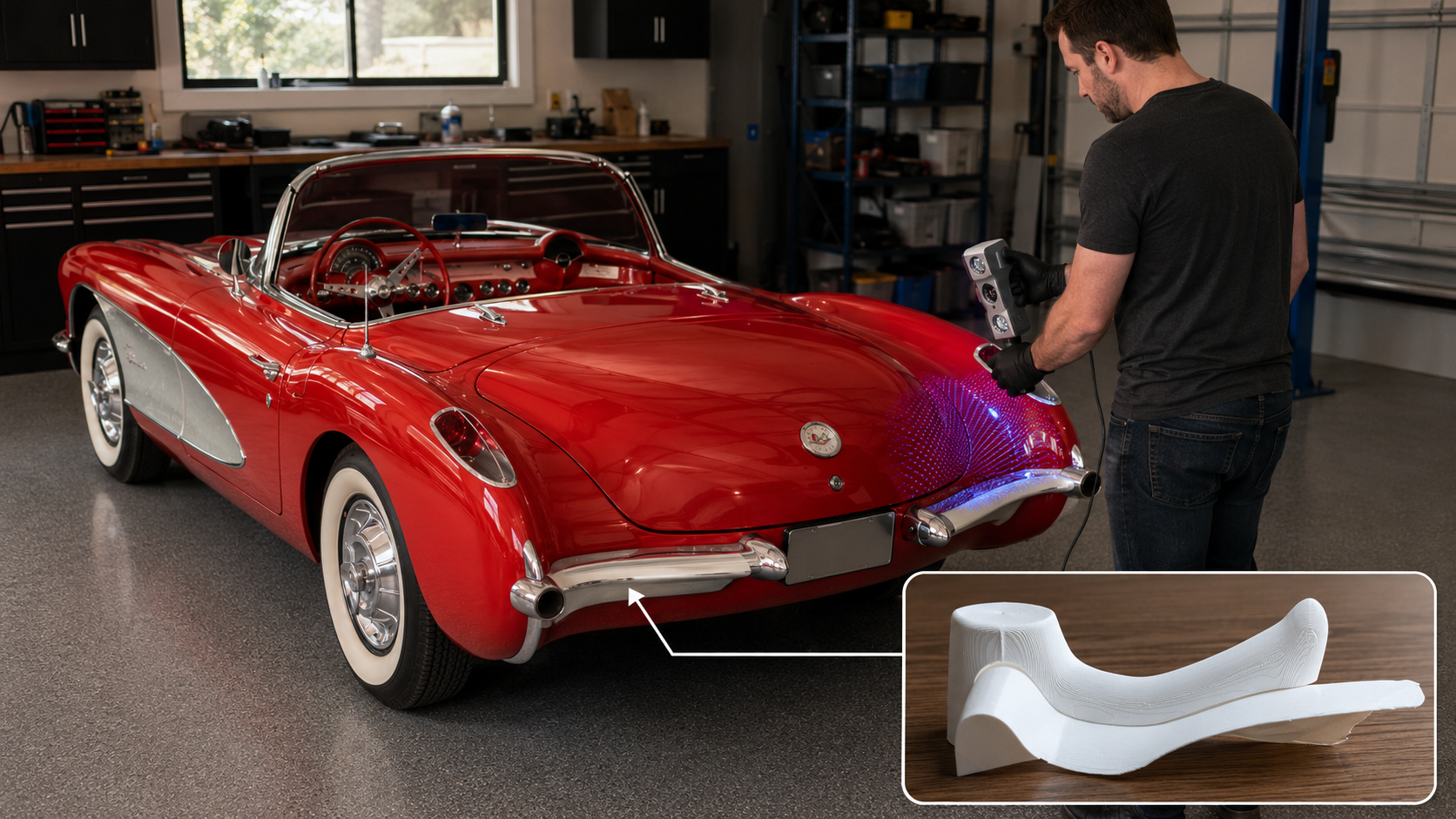
Best $150 I’ve Ever Spent on This Car Classic car projects have a way of turning simple problems into complicated ones. A
Why Domestic Tooling and Prototype Fabrication Still Matter Low-cost overseas tooling can be tempting. When a quote comes in dramatically cheaper than

Using Development Boards in Early Hardware Prototypes Other Parts of this series: Part 2 – Choosing The Right Development Board Part 3