Replaceable 3D Printed Tooling for Foundries
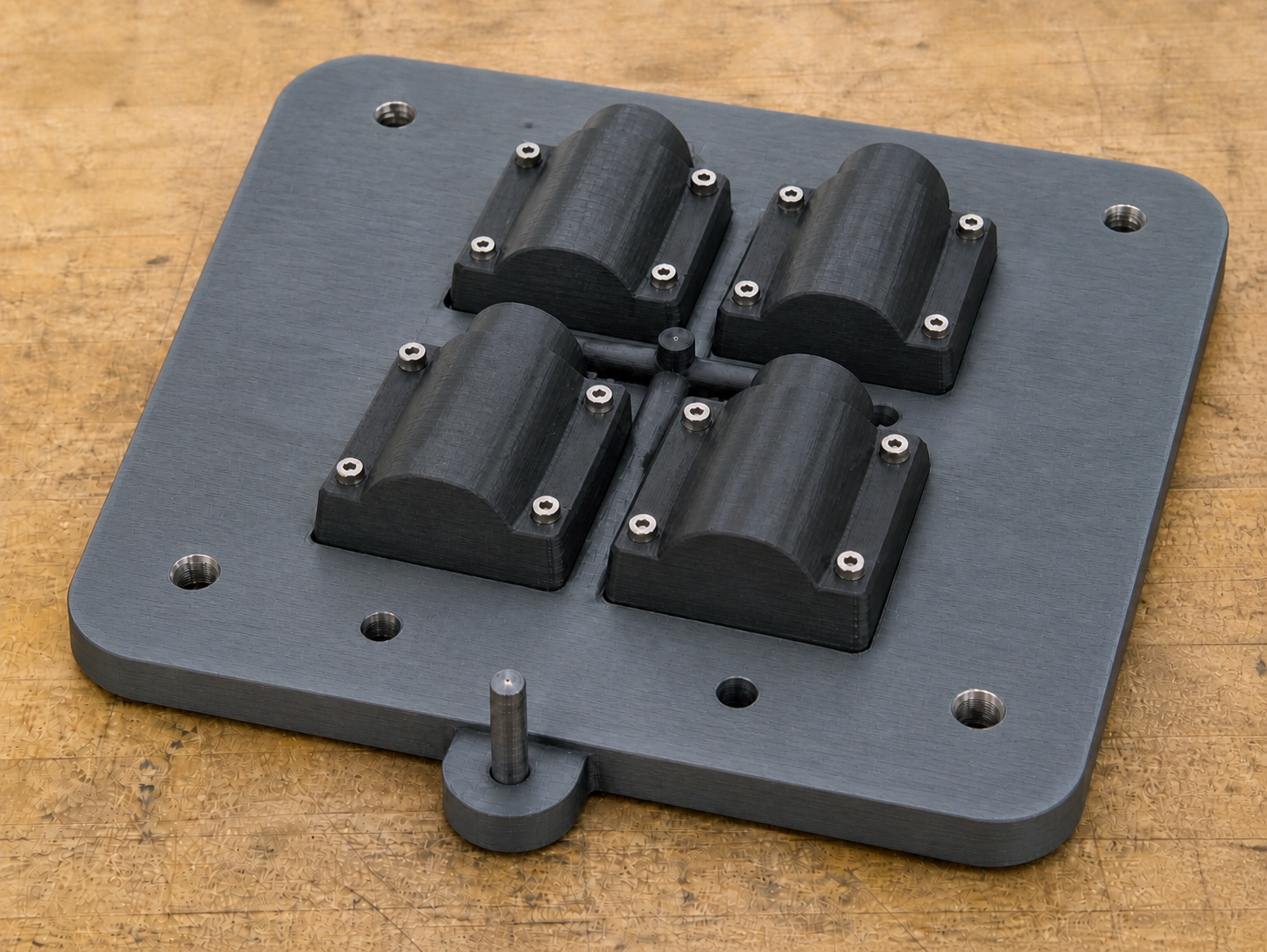
Replaceable tooling can make foundry work faster, cleaner, and more flexible. Instead of rebuilding an entire match plate, loose pattern, or core box when one area wears out or needs a design change, a foundry can replace only the affected 3D printed tooling section.
At Jaeger Technology Group LLC, we help foundries and manufacturers use replaceable 3D printed tooling for match plates, sand casting patterns, core prints, prototype tooling, and short-run production support.
Why Replaceable Tooling Helps
Foundry tooling takes abuse. Pattern surfaces wear, edges get damaged, core prints break, and customer designs change. With traditional tooling, repairs can be slow and expensive. With replaceable 3D printed tooling, the damaged or outdated section can often be reprinted from the digital file and put back into service quickly.
This can help foundries:
- Reduce downtime
- Speed up tooling repairs
- Support design revisions
- Replace worn inserts
- Improve match plate maintenance
- Reduce dependence on one permanent master pattern
- Keep prototype and short-run casting jobs moving
A Practical Advantage for Modern Foundries
Replaceable 3D printed tooling does not eliminate the need for good foundry practice. Draft, shrink allowance, parting strategy, gating, and core print design still matter. But when the tooling is designed digitally and built in replaceable sections, the foundry gains more control.
That can be a real advantage for sand casting, match plates, loose patterns, core boxes, prototype casting, and short-run production.
Work With Jaeger Technology Group LLC
If your foundry needs replaceable 3D printed tooling, 3D printed match plate inserts, sand casting patterns, or prototype foundry tooling, Jaeger Technology Group LLC can help you move faster and reduce tooling delays.
Contact Jaeger Technology Group LLC to discuss replaceable 3D printed tooling for foundry and casting applications.
About the Author: jaegertechgroup.com

STAY IN THE LOOP
Subscribe to our free newsletter.
Leave A Comment
Best $150 I’ve Ever Spent on This Car Classic car projects have a way of turning simple problems into complicated ones. A
Using Development Boards in Early Hardware Prototypes Other Parts of this series: Part 2 – Choosing The Right Development Board Part 3
3D Printed Patterns for Investment Casting: Material, Support, and Ceramic Shell Considerations Investment casting has always depended on the quality of the
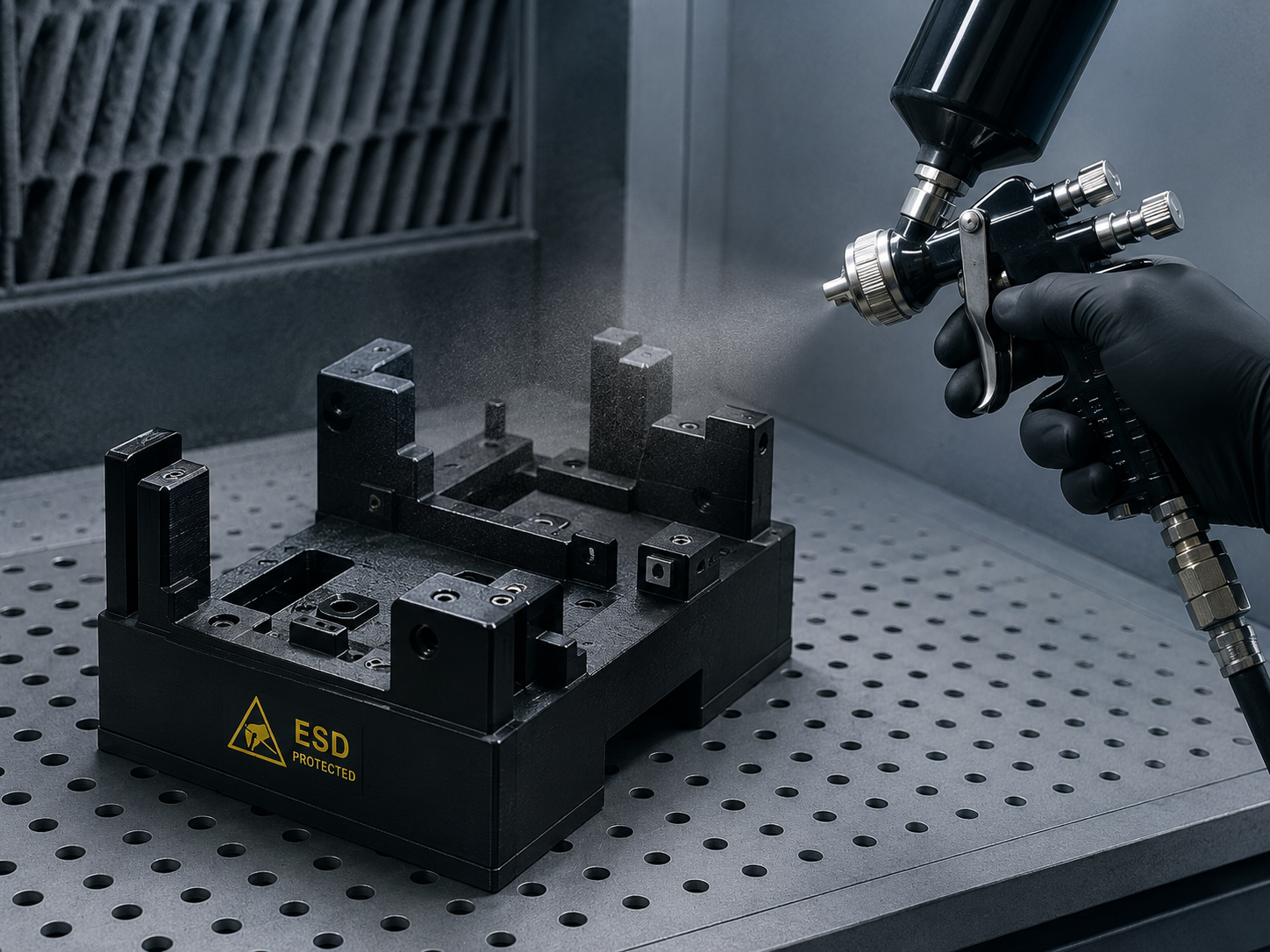
ESD-safe coatings can add static-dissipative behavior, helping reduce the risk of damage to printed parts used around electronics.