
Polyester Two-Part Coatings
Polyester coatings and polyester surfacing systems are common in automotive, marine, patternmaking, and composite-adjacent work. They are often used when a fast-building, sandable surface is needed.
This family includes materials such as polyester primer-surfacer, sprayable polyester, and related two-part polyester finishing systems.
Common Uses
Polyester coatings are useful for:
- Pattern surfacing
- Automotive-style finishing
- Large prototypes
- Mold masters
- Print section seams
- Surface leveling
- Cosmetic models
- Composite tooling preparation
Advantages
Polyester coatings can offer:
- High build
- Good sandability
- Faster work cycle than many epoxy systems
- Good filling of surface defects
- Familiar workflow for automotive and body-shop finishing
- Useful for shaping and leveling
- Good compatibility with many primer and paint systems
For large prints with visible layer lines, polyester surfacing systems can help build a smooth surface more quickly than light primer alone.
Disadvantages
Polyester has tradeoffs:
- Strong odor
- Styrene exposure concerns in many systems
- Shrinkage can be greater than epoxy
- Adhesion may be less forgiving than epoxy
- Can attack some plastics if solvents are aggressive
- Requires catalyst control
- Can crack if applied improperly
- PPE and ventilation are important
- Not always ideal for flexible substrates
Polyester systems should be tested on the printed material before committing to a large part.
JaegerTech View
Polyester two-part coatings are useful when fast build and sandability matter. For pattern and prototype finishing, they can be very effective, but epoxy is often the safer choice when adhesion and sealing are more important.
About the Author: jaegertechgroup.com

STAY IN THE LOOP
Subscribe to our free newsletter.
Leave A Comment
Best $150 I’ve Ever Spent on This Car Classic car projects have a way of turning simple problems into complicated ones. A

Using Development Boards in Early Hardware Prototypes Other Parts of this series: Part 2 – Choosing The Right Development Board Part 3

3D Printed Patterns for Investment Casting: Material, Support, and Ceramic Shell Considerations Investment casting has always depended on the quality of the
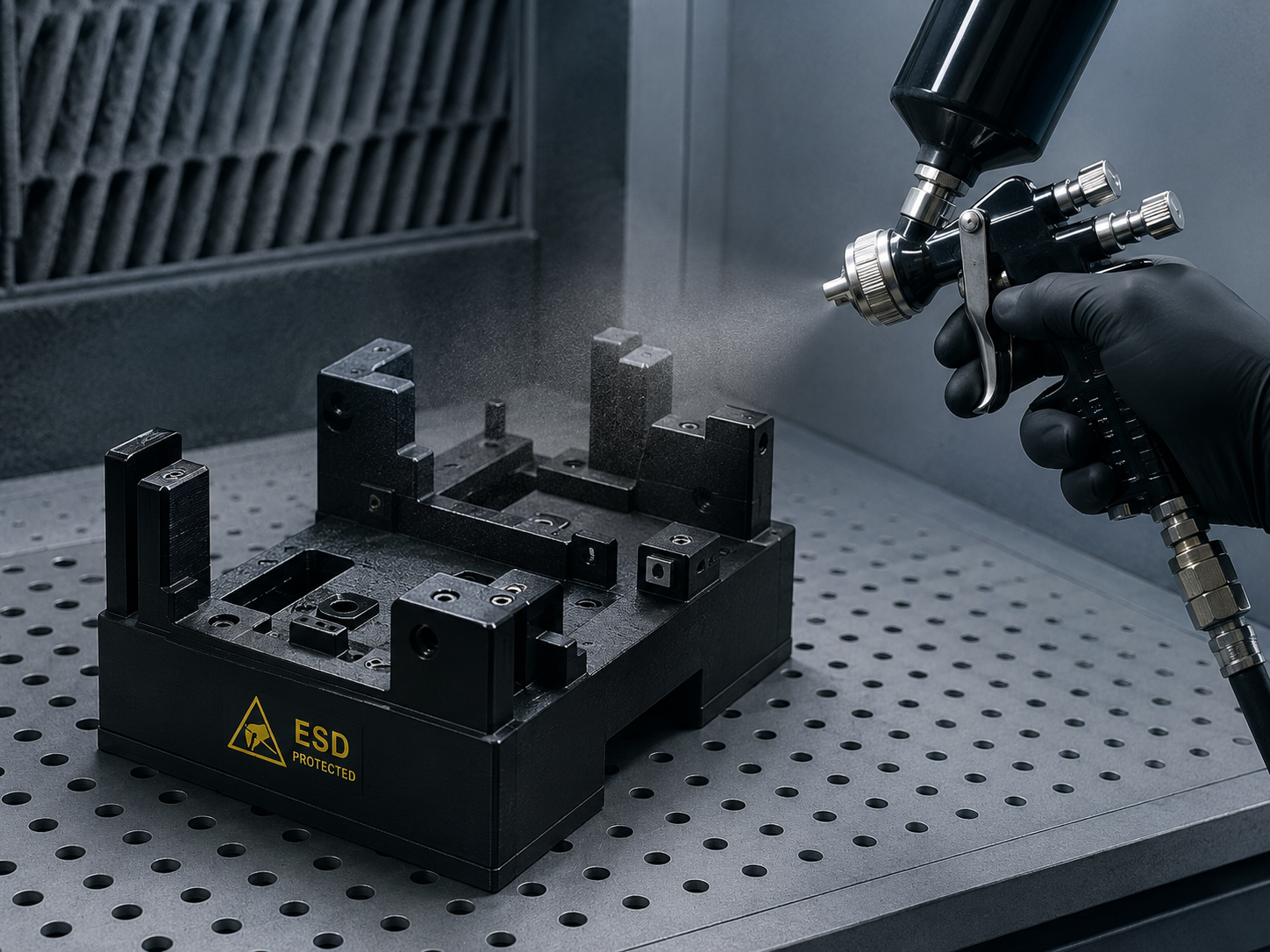
ESD-safe coatings can add static-dissipative behavior, helping reduce the risk of damage to printed parts used around electronics.