
PETG and PCTG for FDM / FFF 3D Printing
PETG and PCTG are practical, tough, general-purpose materials for functional prototypes, shop aids, covers, guards, fixtures, and production support parts. PETG is widely used because it offers better toughness and temperature resistance than PLA while remaining easier to print than ABS or nylon in many cases. PCTG is closely related but often selected where toughness, clarity, or chemical resistance are priorities.
Where PETG Works Well
PETG is a good choice for:
- Functional prototypes
- Light-duty fixtures
- Protective covers
- Brackets
- Shop aids
- Basic production tools
- Fit-check parts
- Packaging aids
- General industrial components
PETG is often a step up from PLA when a part needs more toughness but does not require the heat resistance, stiffness, or chemical resistance of more advanced materials.
Where PCTG Works Well
PCTG is useful for:
- Tough functional components
- Impact-resistant parts
- Transparent or semi-transparent parts
- Chemical-resistant shop aids
- Production support parts
- Covers and housings
- Durable prototypes
For some jobs, PCTG can be a better choice than PETG when toughness and durability matter more than lowest cost.
Weaknesses
PETG and PCTG are not ideal for every application. They may not be stiff enough for some fixtures. They may creep under load. They may not tolerate high heat. They may be too flexible for precision gauges or strong workholding.
Avoid using PETG/PCTG blindly for:
- High-temperature fixtures
- High-load tools
- Tight-tolerance gauges
- High-wear applications
- Long-term stressed parts
- Parts requiring very high stiffness
PETG-CF and Filled Variants
Carbon-fiber-filled PETG or PCTG variants can improve stiffness and dimensional behavior, but they are not automatically stronger in every direction. Fiber-filled materials can also be more abrasive to nozzles and may be more brittle.
JaegerTech View
PETG and PCTG are excellent middle-ground materials. They are often good choices when PLA is too weak or too heat-sensitive, but nylon, PPS, or high-temp polymers are not justified.
About the Author: jaegertechgroup.com

STAY IN THE LOOP
Subscribe to our free newsletter.
Leave A Comment
Best $150 I’ve Ever Spent on This Car Classic car projects have a way of turning simple problems into complicated ones. A

Using Development Boards in Early Hardware Prototypes Other Parts of this series: Part 2 – Choosing The Right Development Board Part 3
3D Printed Patterns for Investment Casting: Material, Support, and Ceramic Shell Considerations Investment casting has always depended on the quality of the
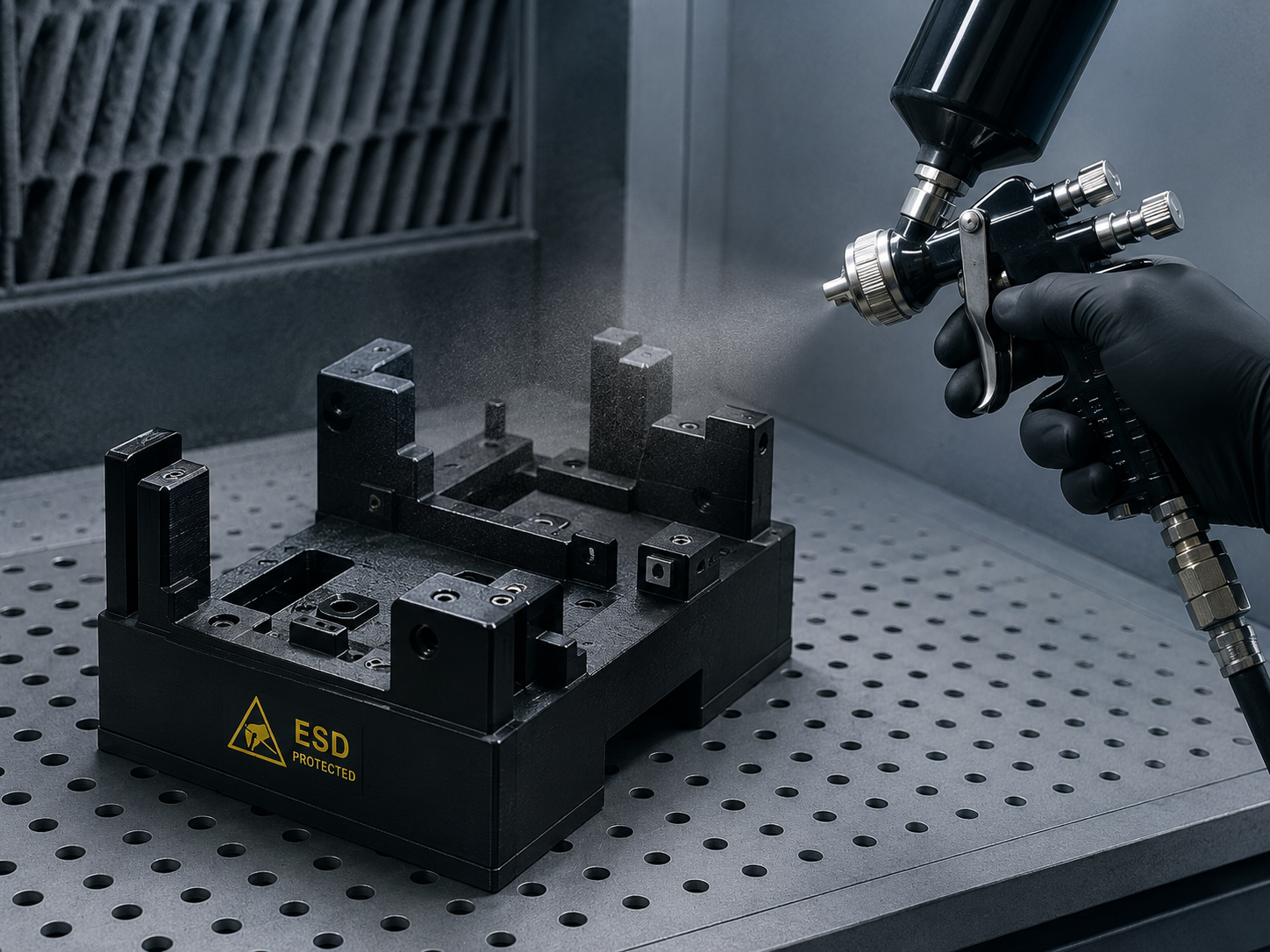
ESD-safe coatings can add static-dissipative behavior, helping reduce the risk of damage to printed parts used around electronics.