
PEI / ULTEM, PEEK, and PEKK for FDM / FFF 3D Printing
PEI, commonly sold under the ULTEM name, along with PEEK and PEKK, belongs to the high-performance polymer category. These materials are used when the application requires high heat resistance, mechanical performance, chemical resistance, flame/smoke behavior, or advanced engineering properties. High-performance filament guides commonly group PEI/ULTEM, PEEK, PEKK, PPSU, and related materials together as advanced polymers requiring more capable printing systems.
PEI / ULTEM
PEI is an amorphous high-performance polymer. ULTEM is a well-known branded PEI material. It is often discussed for aerospace, transportation, electrical, and high-performance industrial applications.
PEI may be useful for:
- Heat-resistant parts
- Flame-resistant applications
- Electrical components
- Aerospace support parts
- High-performance tooling
- Functional prototypes
- Parts needing better dimensional stability than commodity polymers
PEEK
PEEK is a semi-crystalline high-performance polymer. It is known for high temperature capability, chemical resistance, mechanical strength, and demanding engineering applications.
PEEK may be useful for:
- High-temperature components
- Chemically resistant parts
- Advanced industrial prototypes
- Medical and aerospace development applications
- Wear-related components
- Metal-replacement development studies
PEEK is difficult to print well. It generally requires high nozzle temperatures, high bed temperatures, high chamber temperatures, dry material, and strong process control.
PEKK
PEKK is related to PEEK but can be somewhat more process-adjustable depending on grade and crystallinity. It is used in high-performance applications where heat, chemistry, and strength matter.
PEKK may be useful for:
- Advanced aerospace and industrial parts
- High-temperature tooling
- Chemical-resistant components
- Functional development parts
- Metal-replacement applications
- High-performance prototypes
Challenges With Ether Ketones and PEI
These materials are not for ordinary desktop printing.
Challenges include:
- High nozzle temperature
- High bed temperature
- Heated chamber requirement
- Moisture control
- Warping and crystallization behavior
- Layer adhesion challenges
- Material cost
- Printer cost
- Need for post-processing or annealing in some cases
- Application-specific validation
JaegerTech View
PEI, PEEK, and PEKK are serious materials for serious applications. We would not recommend them just because they sound impressive. They should be used when the environment, performance requirement, or customer specification justifies the cost and process requirements.
About the Author: jaegertechgroup.com

STAY IN THE LOOP
Subscribe to our free newsletter.
Leave A Comment
Best $150 I’ve Ever Spent on This Car Classic car projects have a way of turning simple problems into complicated ones. A

Using Development Boards in Early Hardware Prototypes Other Parts of this series: Part 2 – Choosing The Right Development Board Part 3

3D Printed Patterns for Investment Casting: Material, Support, and Ceramic Shell Considerations Investment casting has always depended on the quality of the
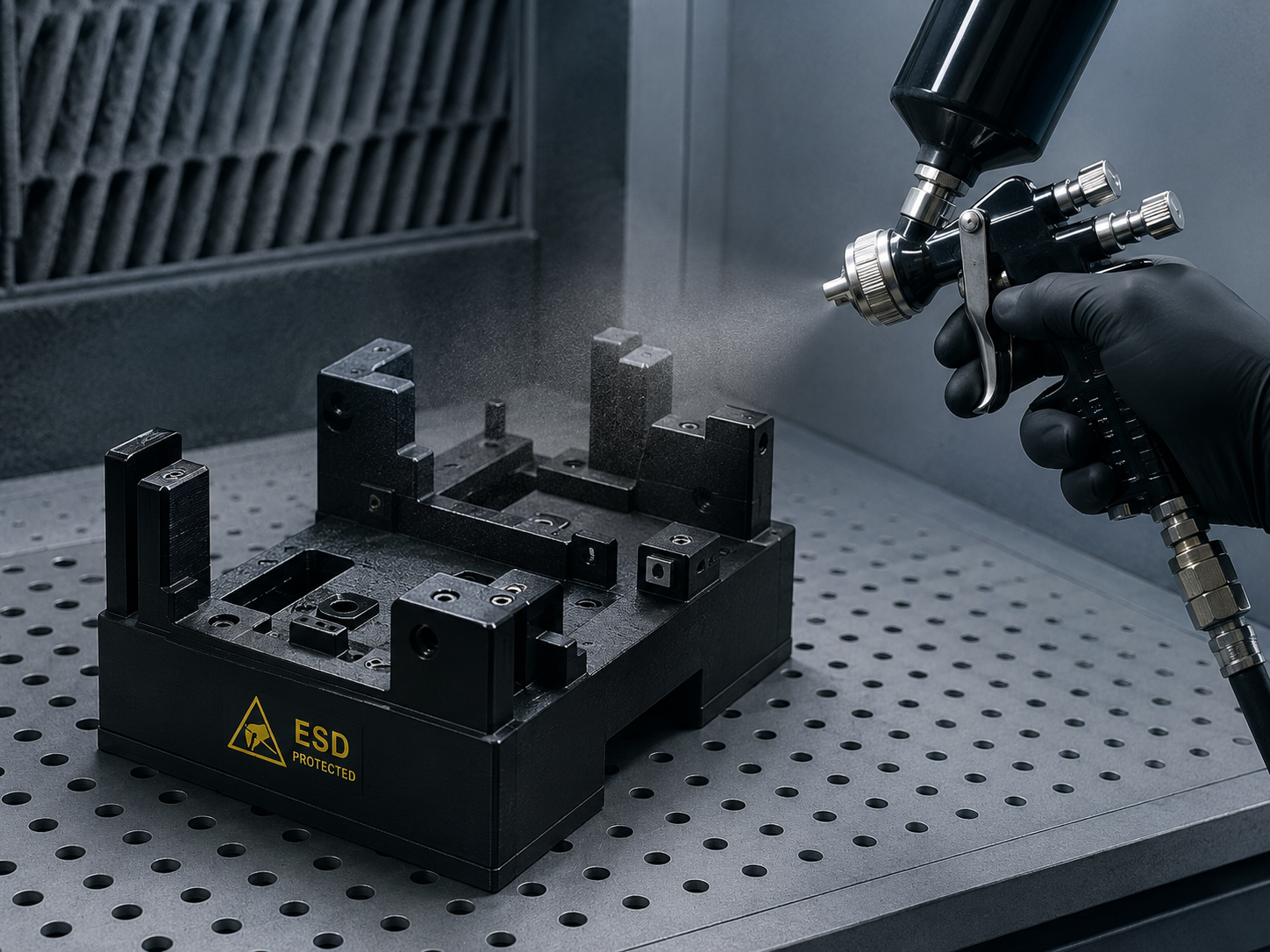
ESD-safe coatings can add static-dissipative behavior, helping reduce the risk of damage to printed parts used around electronics.