
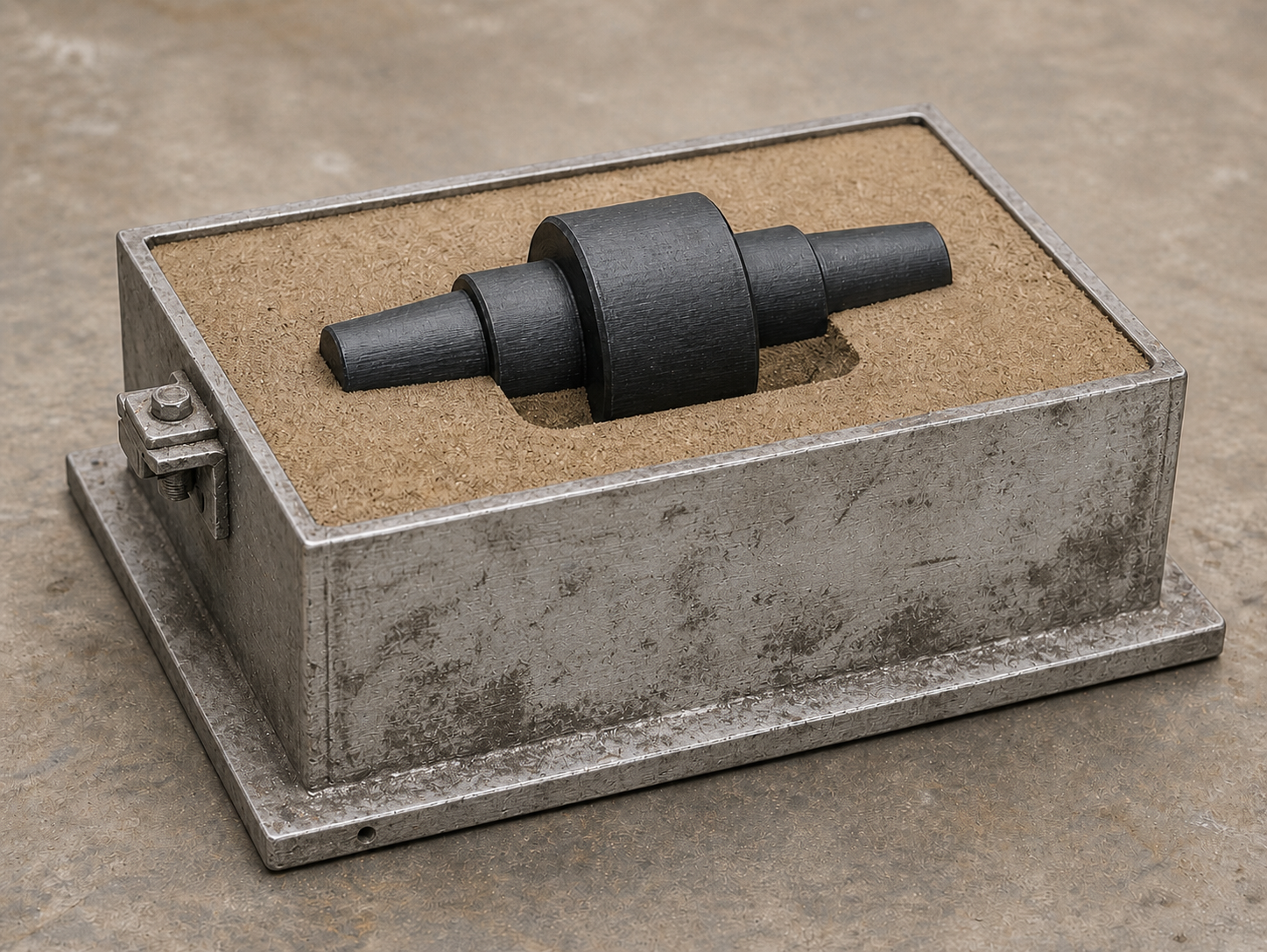
Core Prints and Core Boxes: How 3D Printing Supports Complex Castings
Some castings are simple external shapes. Others require internal cavities, passages, pockets, bosses, or hollow sections. When a casting needs internal geometry, the foundry often uses a sand core.
That core has to be made accurately, supported correctly, and positioned reliably inside the mold. This is where core prints and core boxes become critical.
At Jaeger Technology Group LLC, we help foundries and manufacturers produce 3D printed core boxes, core prints, sand casting patterns, and reusable foundry tooling for complex castings.
What Are Core Prints?
A core print is a feature built into the pattern that creates a seat or support area in the mold for the sand core. The core print does not become part of the final casting cavity. Instead, it creates the space that holds the core in place.
Good core prints help control:
- Core location
- Core support
- Mold alignment
- Internal cavity accuracy
- Repeatability from mold to mold
- Reduced risk of core shift
If the core print is wrong, the core may move. If the core moves, the casting may be thin, misaligned, or unusable.
What Is a Core Box?
A core box is the tooling used to make the sand core itself. The core box defines the shape of the sand core, which then defines the internal cavity of the casting.
3D printed core boxes can be useful for:
- Prototype castings
- Short-run production
- Complex internal geometry
- Replacement parts
- Legacy castings
- Low-volume industrial components
- Foundry process development
Why 3D Printing Helps
3D printing allows core boxes and core prints to be designed directly from the CAD model. This helps maintain better alignment between the casting pattern, the core, and the finished part.
With 3D printed tooling, foundries can revise core geometry, adjust core print length, modify parting strategy, or replace damaged tooling without starting from scratch.
Work With Jaeger Technology Group LLC
If your foundry needs 3D printed core boxes, core prints, sand casting patterns, or foundry tooling for complex castings, Jaeger Technology Group LLC can help create practical tooling for prototype and production casting workflows.
About the Author: jaegertechgroup.com

STAY IN THE LOOP
Subscribe to our free newsletter.
Leave A Comment
From Hesitation to Hands-On: Bringing Large-Format 3D Printing Into a Prosthetics and Orthotics Practice For many prosthetics and orthotics practitioners, the potential
Using 3D Printing to De-Risk Production Tooling Production tooling is expensive for a reason. Whether the final process is injection molding, thermoforming,
From 3D Scan to Perfect Fit: The Corvette Bumper Project Moves Forward A few weeks ago, we shared a project that demonstrated
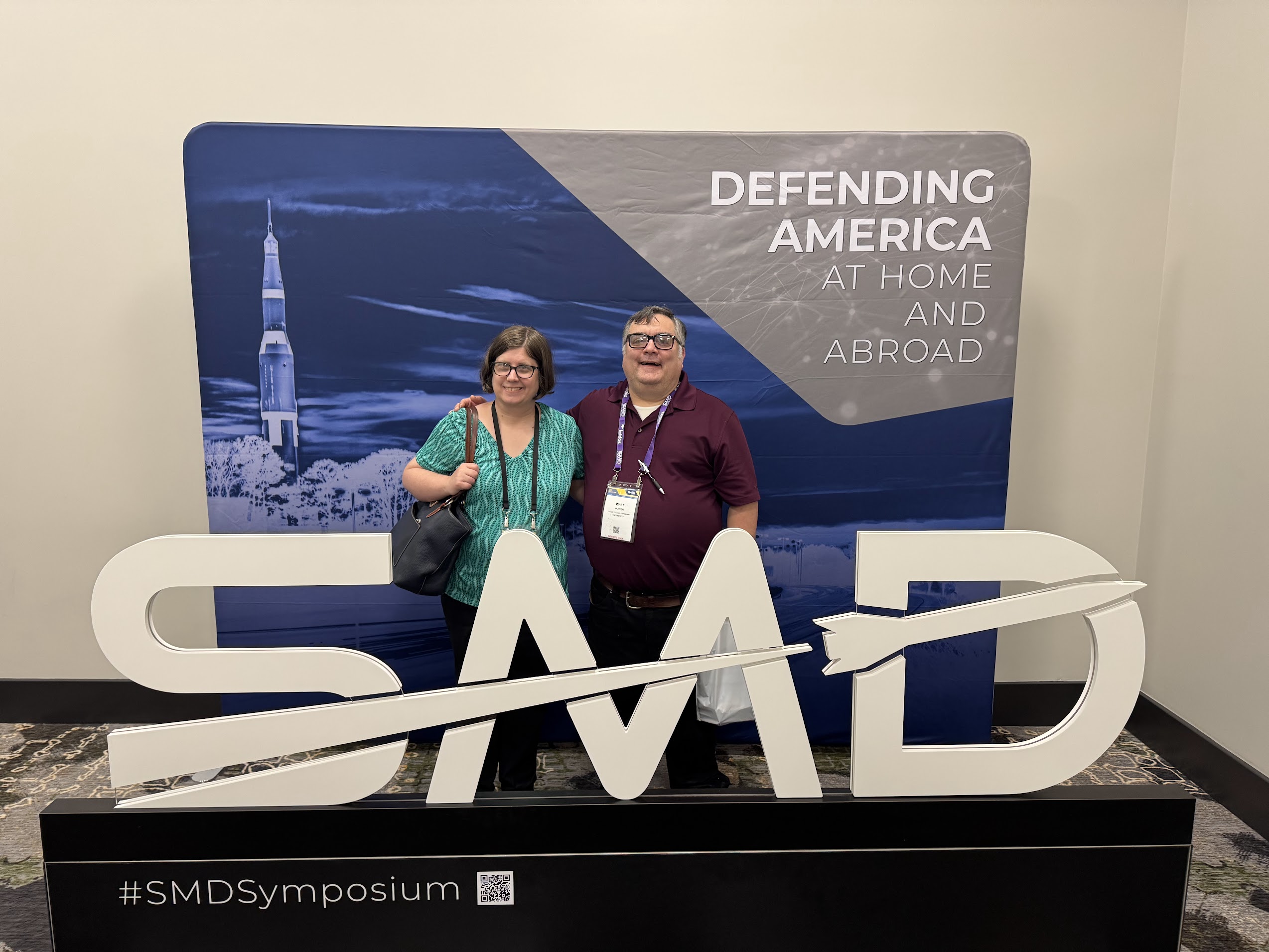
Great Conversations and New Connections at SMD in Huntsville Last week, Janelle and I had the opportunity to attend SMD in Huntsville,