
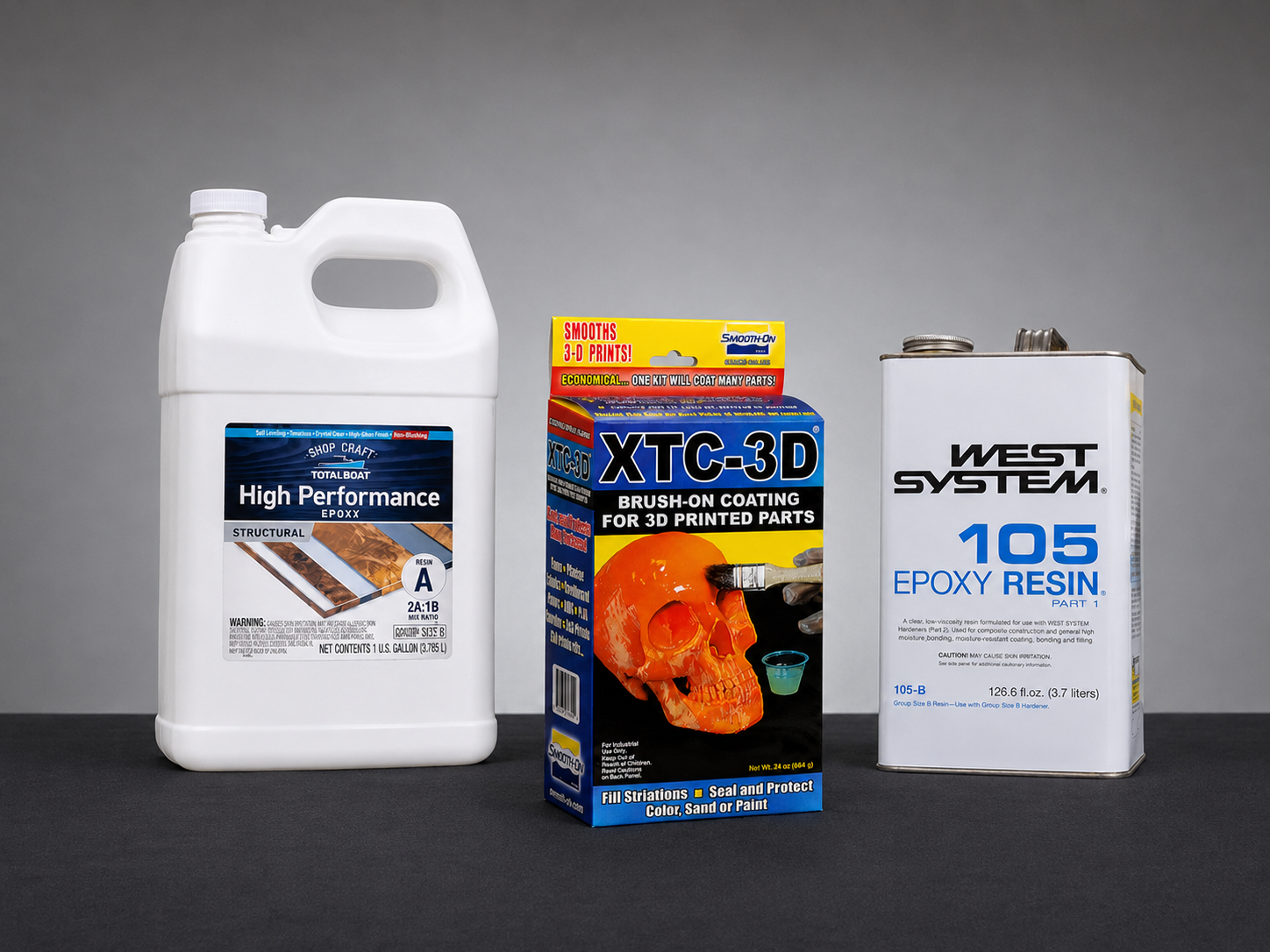
Choosing the Right Coating System
A coating system should be selected around the application.
Ask:
- Is the part cosmetic or functional?
- Does it need to be sanded smooth?
- Does it need to seal layer lines?
- Will it be used as a pattern?
- Will it contact chemicals?
- Will it see heat?
- Will it be handled repeatedly?
- Does it need to release from another material?
- Does it need to be painted?
- Does it need ESD behavior?
- Does it need to preserve fine detail?
- Is the coating temporary or long-term?
For many industrial 3D printed parts, the best finish is a system, not one product. For example:
Large foundry pattern: sanding → filler → epoxy or primer surfacer → sanding → topcoat
Display prototype: sanding → filler primer → paint → clear coat
Composite master: sanding → epoxy surfacing → primer/surfacer → polish → release system
Shop fixture: sanding only, or epoxy seal, or urethane coating depending on use
Electronics tray: ESD-safe material or ESD-safe coating, verified as needed
Final JaegerTech Position
Coatings are not decoration alone. In industrial 3D printing, coatings can determine whether a part is useful as a pattern, fixture, mold, prototype, or production aid.
The best coating depends on the printed material, part geometry, end use, surface finish requirement, chemical exposure, heat exposure, and process environment.
At Jaeger Technology Group LLC, we help customers choose practical finishing and coating approaches for 3D printed patterns, jigs, fixtures, prototypes, molds, large-format parts, and manufacturing support tools.
Contact JaegerTech today to discuss your project, request a quote, or determine whether epoxy, polyester surfacing, filler primer, urethane paint, CA, photopolymer coating, release systems, or another finishing method is right for your application.
Share This Story!
About the Author: jaegertechgroup.com

STAY IN THE LOOP
Subscribe to our free newsletter.
Leave A Comment
Great Conversations and New Connections at SMD in Huntsville Last week, Janelle and I had the opportunity to attend SMD in Huntsville,
Why Domestic Tooling and Prototype Fabrication Still Matter Low-cost overseas tooling can be tempting. When a quote comes in dramatically cheaper than
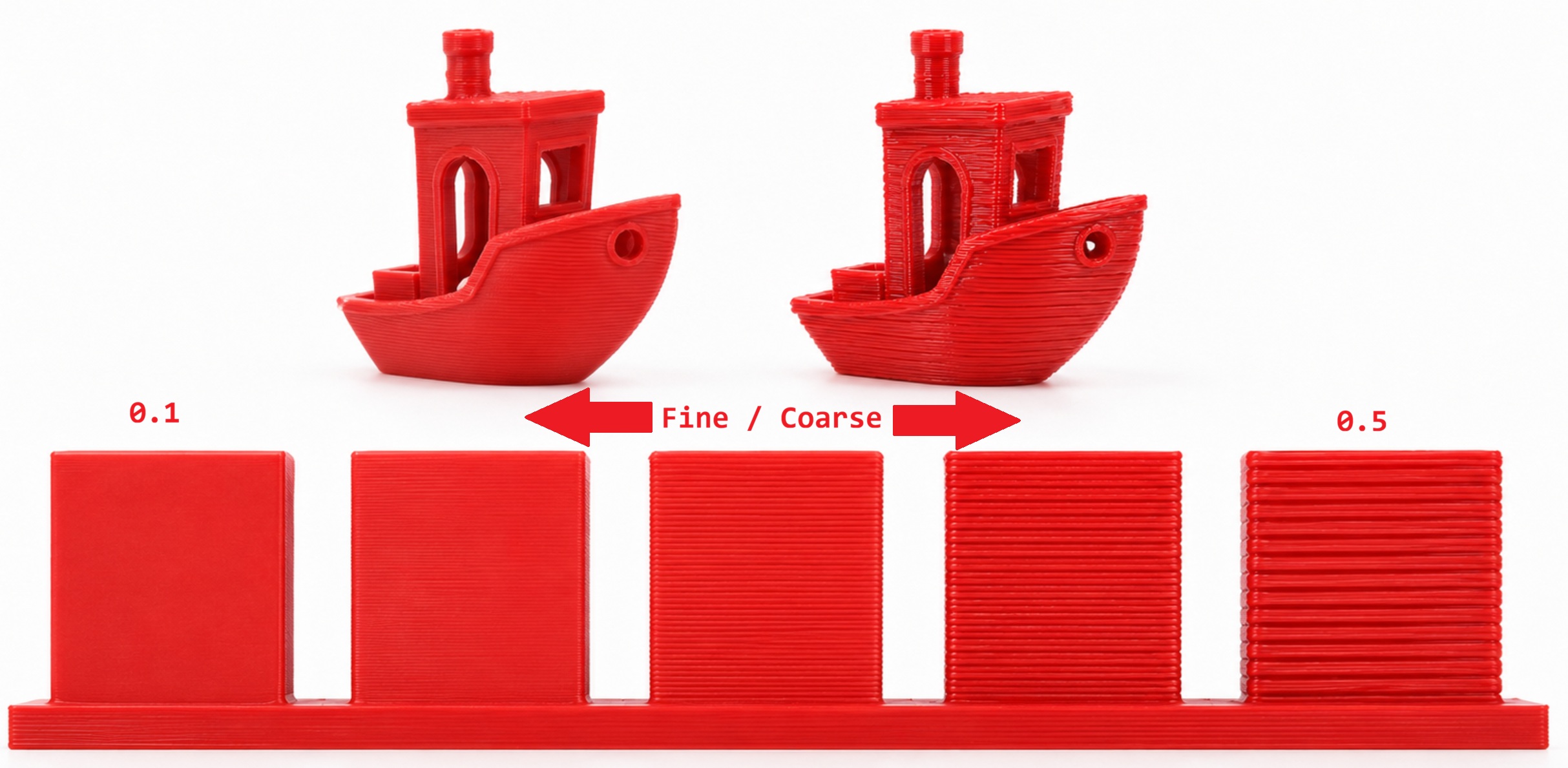
Why Bigger 3D Printed Parts Don’t Always Need High Resolution Many customers assume the finest layer height produces the best 3D printed
Why Supports Can Double the Cost of a 3D Printed Part One of the most common misunderstandings in 3D printing is the