3D Printed Match Plates for Sand Casting: Faster Tooling, Better Repeatability
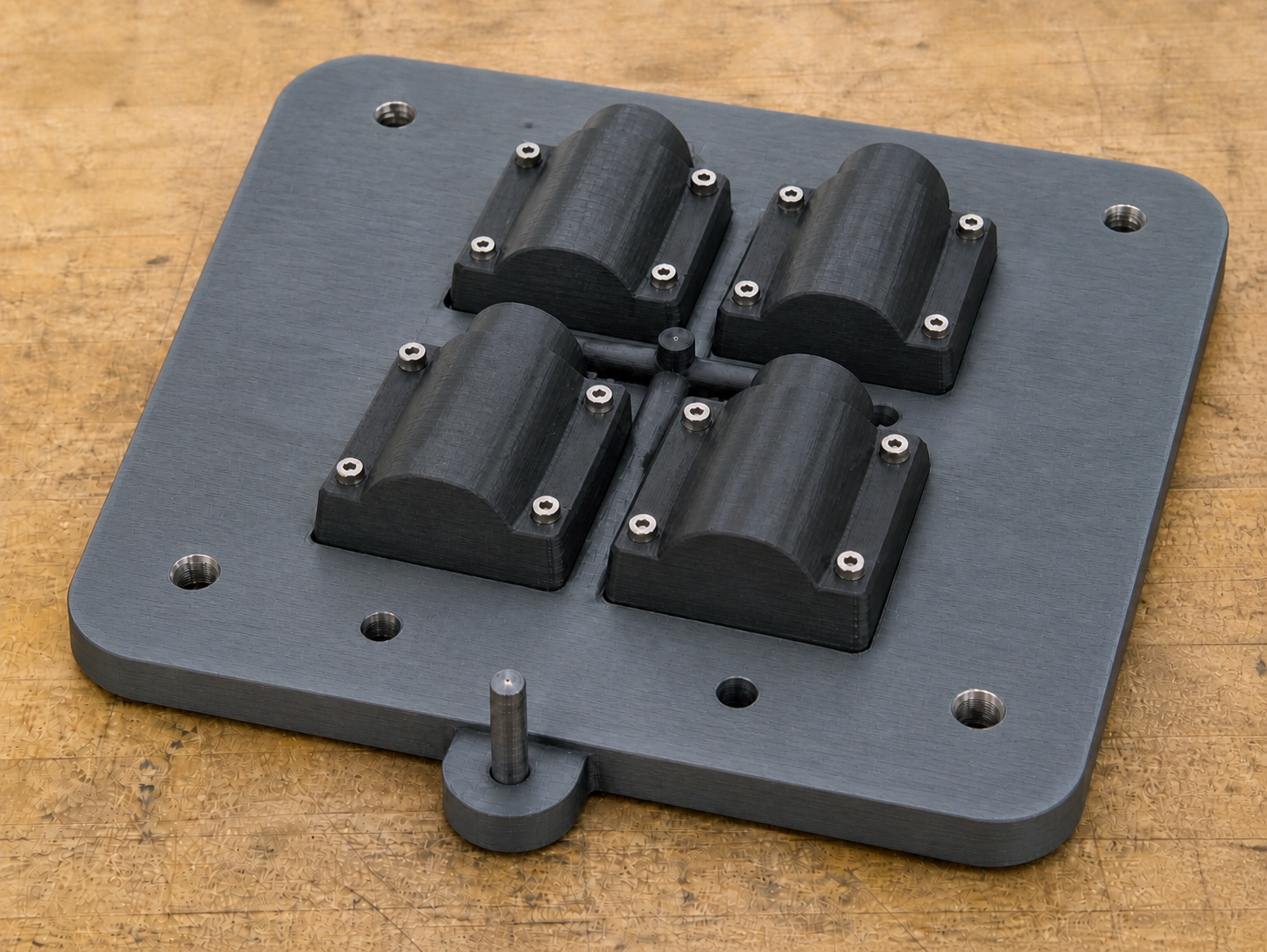
A match plate is one of the most efficient tools in sand casting. It holds the cope and drag pattern geometry on opposite sides of a single plate, helping the foundry make both mold halves with better alignment and repeatability.
At Jaeger Technology Group LLC, we produce 3D printed match plates, replaceable match plate inserts, loose patterns, and sand casting tooling for foundries and manufacturers.
Why Match Plates Matter
Compared with loose patterns, match plates can make molding faster and more consistent. The pattern geometry is fixed to the plate, which helps control alignment, parting location, and repeatability.
Match plates can help foundries:
- Reduce setup time
- Improve cope-and-drag alignment
- Increase mold-to-mold consistency
- Integrate gates and runners
- Reduce manual layout
- Support repeat production
- Improve shop-floor efficiency
For repeat casting jobs, a well-designed match plate can save significant labor.
Why 3D Printing Helps
3D printing allows match plate tooling to be produced directly from digital geometry. Draft, shrink allowance, parting strategy, core prints, and replaceable inserts can be built into the design.
3D printed match plates are useful for:
- Prototype casting
- Short-run production
- Repeat customer parts
- Replacement tooling
- Match plate inserts
- Design revisions
- Foundry process development
If a feature wears out or a design changes, the affected section can often be revised and reprinted instead of rebuilding the entire tool.
Work With Jaeger Technology Group LLC
If your foundry needs 3D printed match plates, match plate inserts, sand casting patterns, or replaceable foundry tooling, Jaeger Technology Group LLC can help you improve speed, repeatability, and tooling flexibility.
About the Author: jaegertechgroup.com

STAY IN THE LOOP
Subscribe to our free newsletter.
Leave A Comment
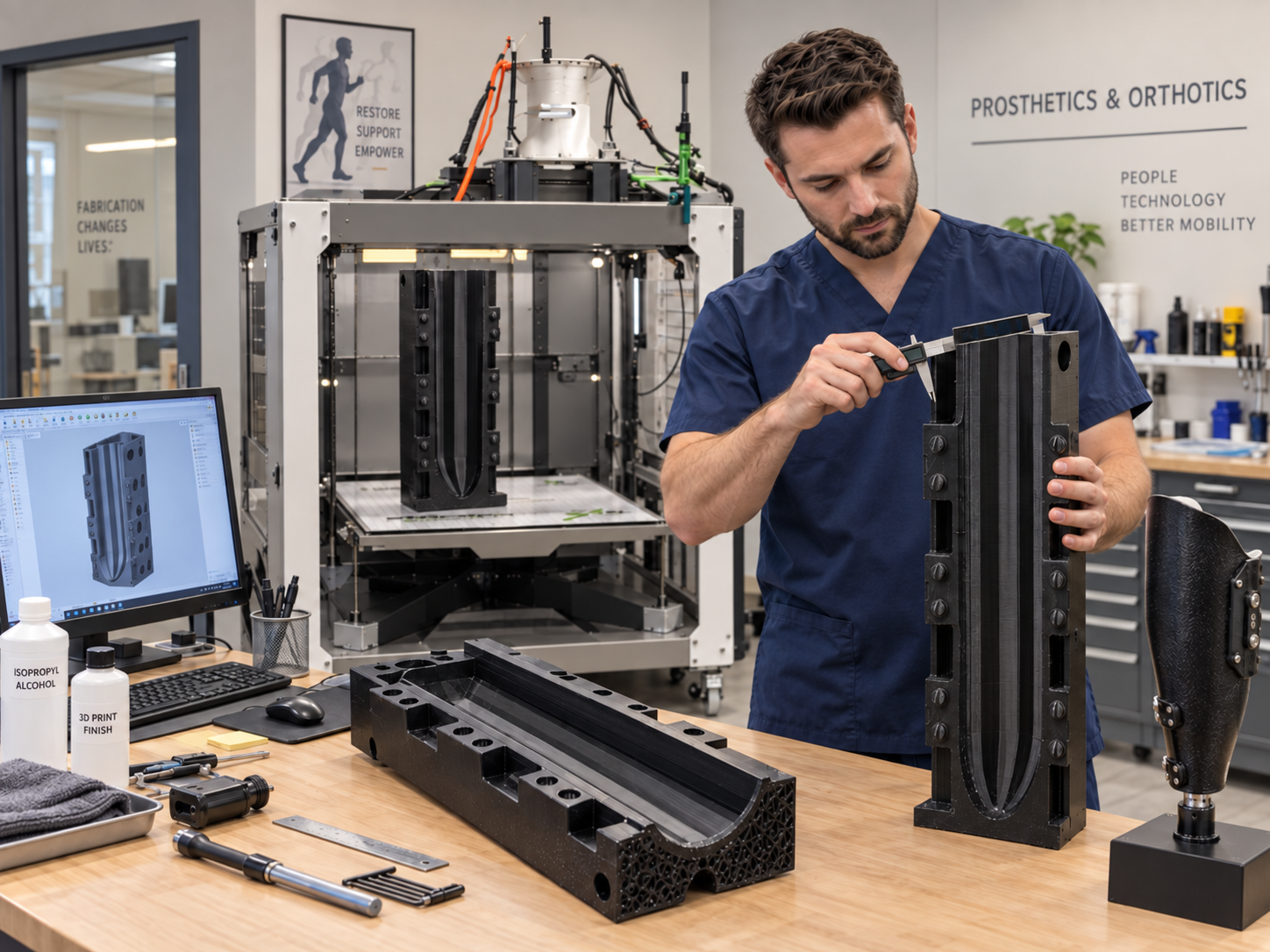
From Hesitation to Hands-On: Bringing Large-Format 3D Printing Into a Prosthetics and Orthotics Practice For many prosthetics and orthotics practitioners, the potential
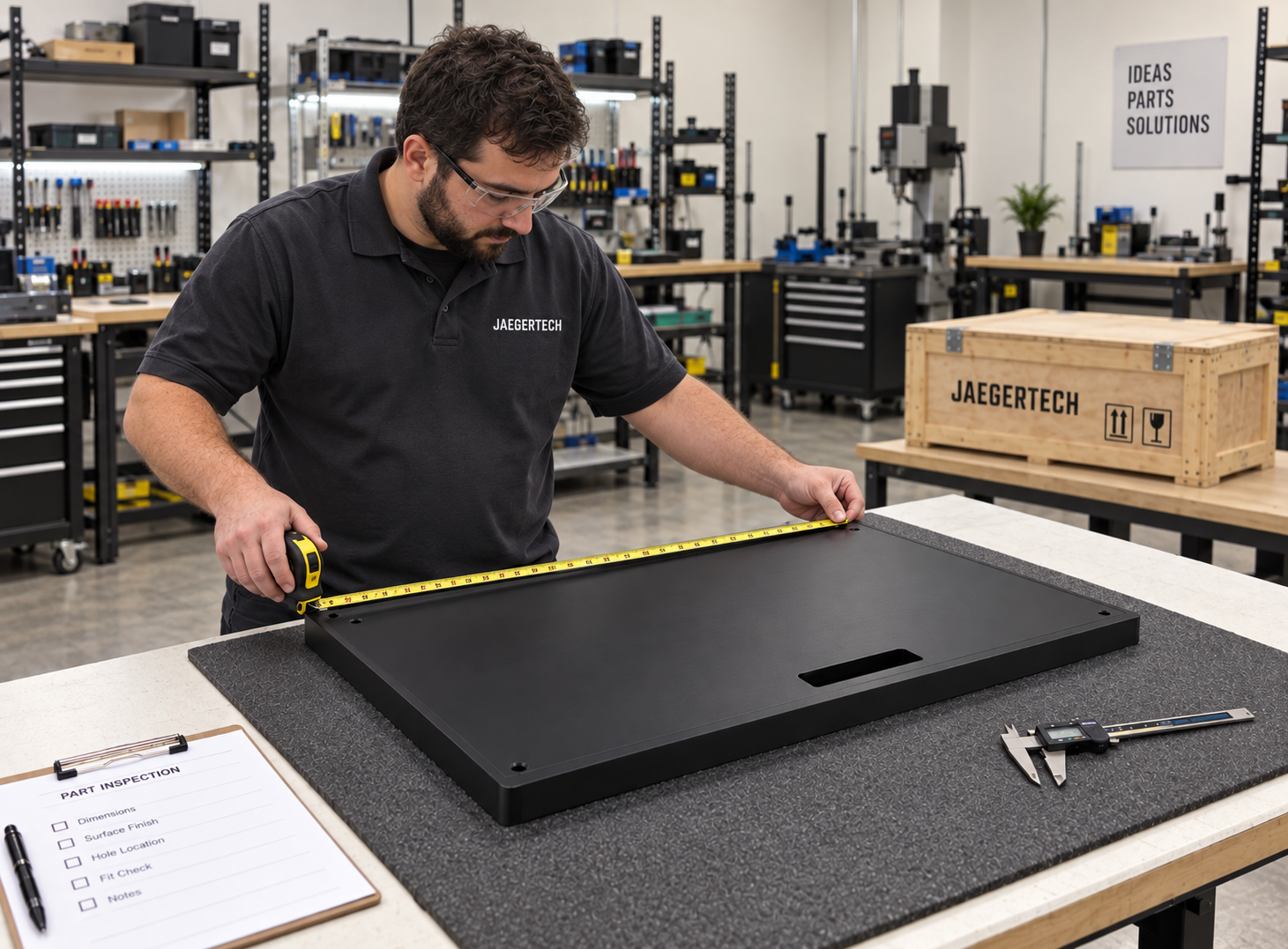
Using 3D Printing to De-Risk Production Tooling Production tooling is expensive for a reason. Whether the final process is injection molding, thermoforming,
From 3D Scan to Perfect Fit: The Corvette Bumper Project Moves Forward A few weeks ago, we shared a project that demonstrated
Great Conversations and New Connections at SMD in Huntsville Last week, Janelle and I had the opportunity to attend SMD in Huntsville,