3D Printed Foundry Patterns vs. Traditional Wood Patterns
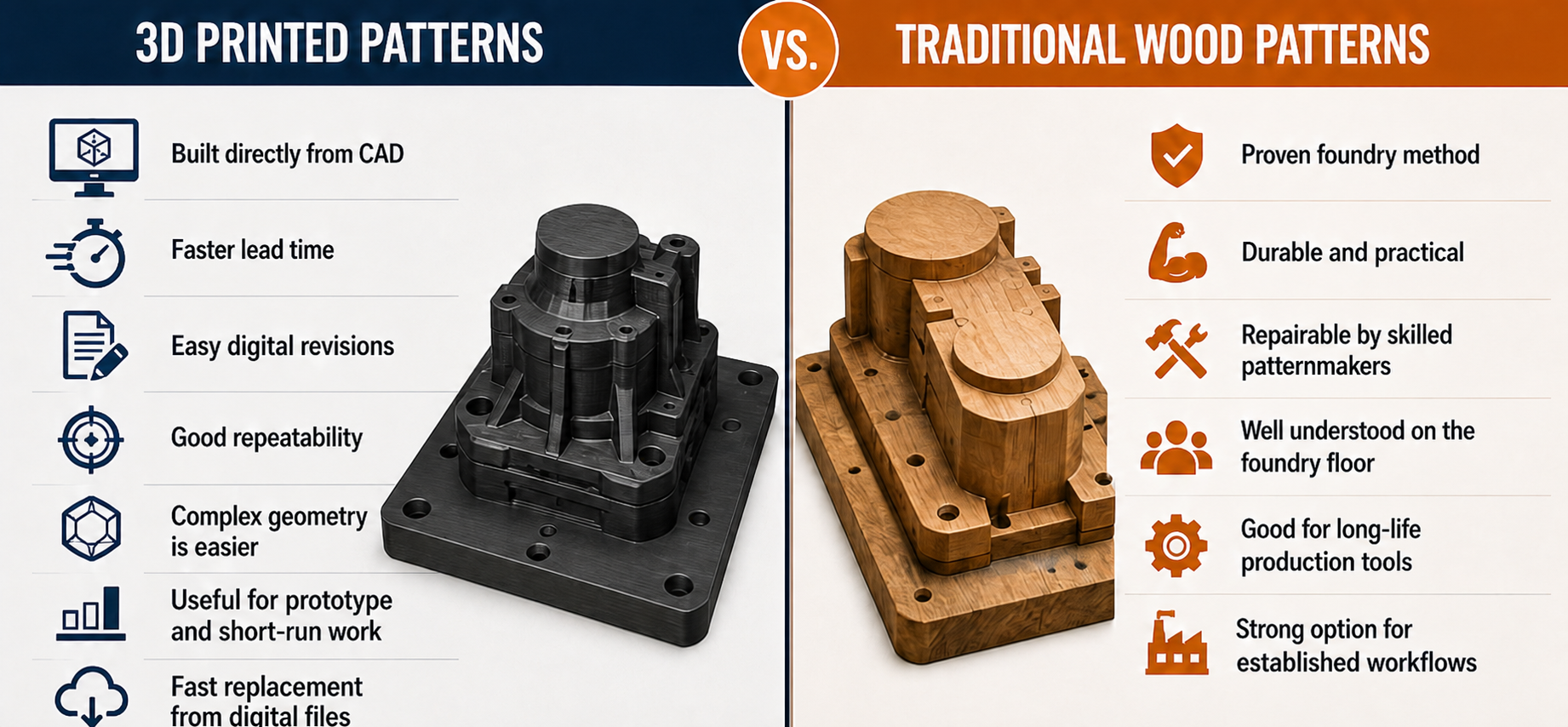
Traditional wood patterns have served foundries well for generations. A skilled patternmaker can build durable, practical tooling that works reliably on the foundry floor. But modern 3D printing gives foundries another option, especially for prototype castings, short-run production, replacement tooling, and complex geometry.
At Jaeger Technology Group LLC, we produce 3D printed foundry patterns for sand casting, match plates, loose patterns, core boxes, and production support tooling.
Wood patterns are still a good choice for many jobs, especially large production tools or work where the foundry already has established methods. But 3D printed patterns can reduce lead time, improve repeatability, and make revisions easier.
Key Advantages of 3D Printed Patterns
3D printed patterns can be built directly from CAD, which means draft, shrink allowance, fillets, core prints, and parting features can be designed into the model before production. This helps reduce handwork and makes it easier to reproduce or revise the tooling later.
3D printed patterns are useful for:
- Prototype castings
- Short-run sand casting
- Match plate inserts
- Loose patterns
- Core boxes
- Legacy replacement parts
- Large-format industrial patterns
- Design validation before hard tooling
When Wood Patterns Still Make Sense
Traditional wood patterns remain valuable when a shop needs a proven, repairable, long-life pattern built by an experienced patternmaker. Wood is familiar, workable, and well understood by foundries.
But when speed, digital revision control, complex geometry, or fast replacement matters, 3D printed tooling can be a strong advantage.
Work With Jaeger Technology Group LLC
If your foundry needs 3D printed foundry patterns, sand casting patterns, match plates, loose patterns, or core boxes, Jaeger Technology Group LLC can help you move from CAD model to mold-ready tooling faster.
About the Author: jaegertechgroup.com

STAY IN THE LOOP
Subscribe to our free newsletter.
Leave A Comment
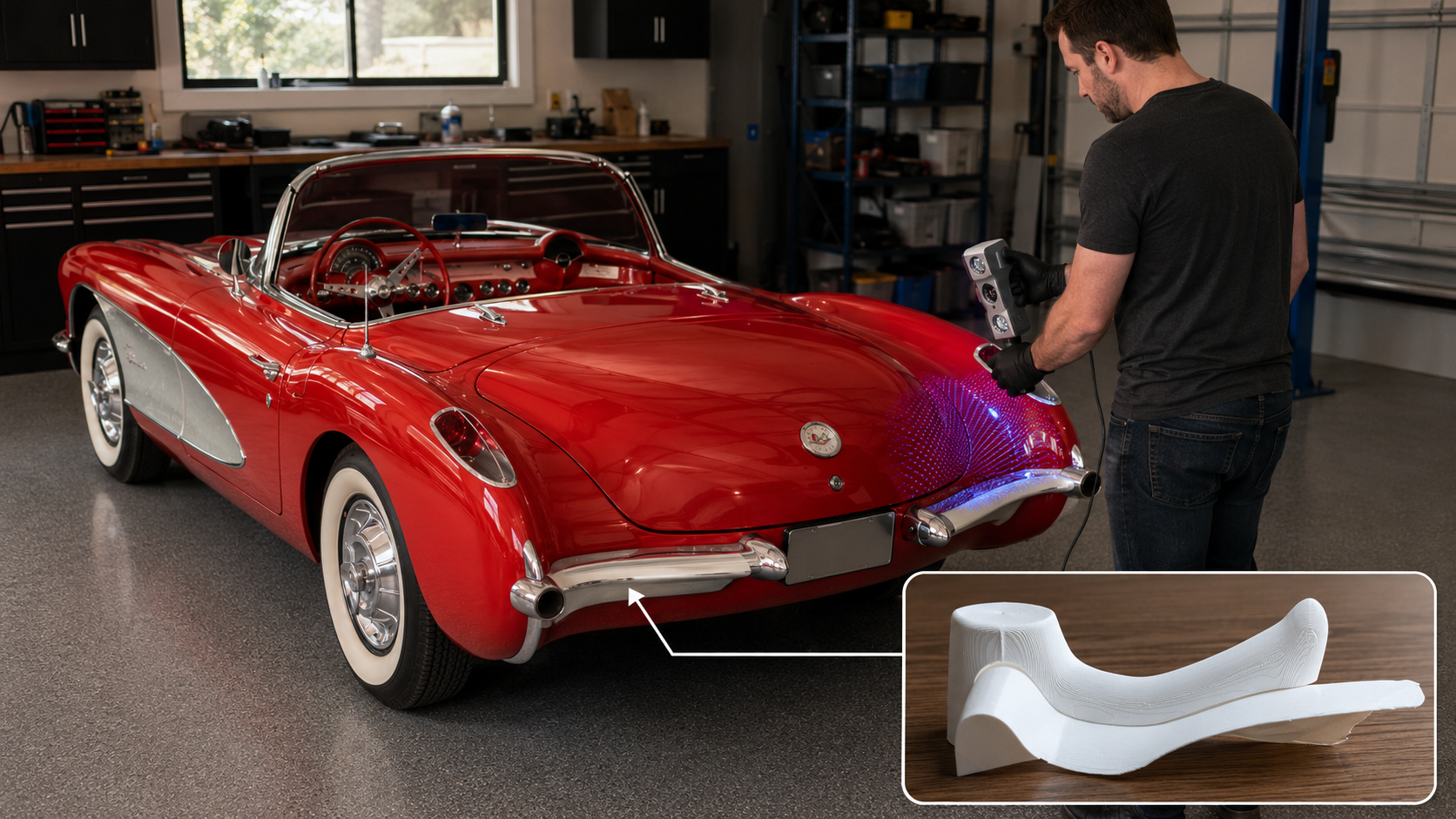
Best $150 I’ve Ever Spent on This Car Classic car projects have a way of turning simple problems into complicated ones. A
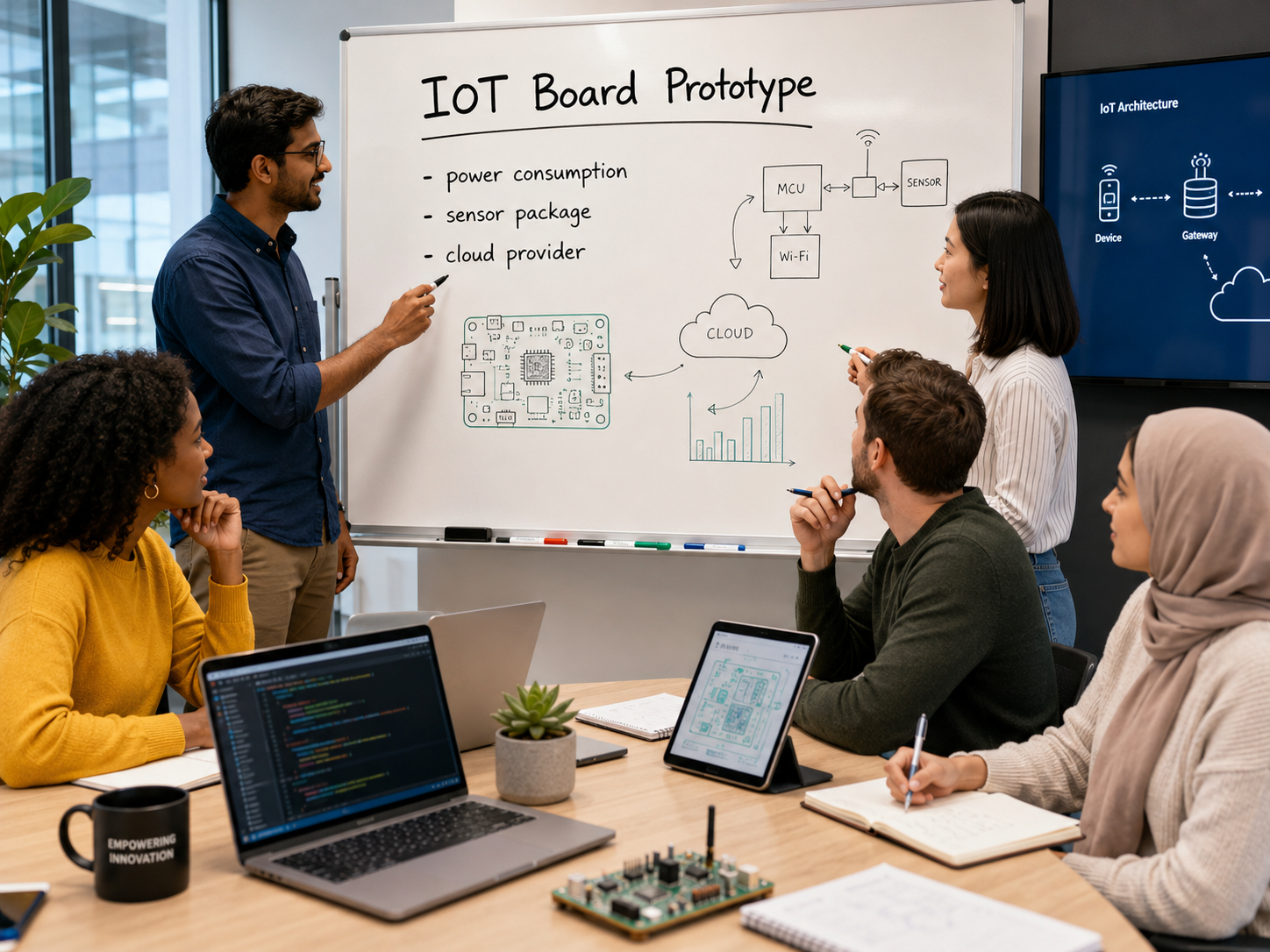
Using Development Boards in Early Hardware Prototypes Other Parts of this series: Part 2 – Choosing The Right Development Board Part 3
3D Printed Patterns for Investment Casting: Material, Support, and Ceramic Shell Considerations Investment casting has always depended on the quality of the
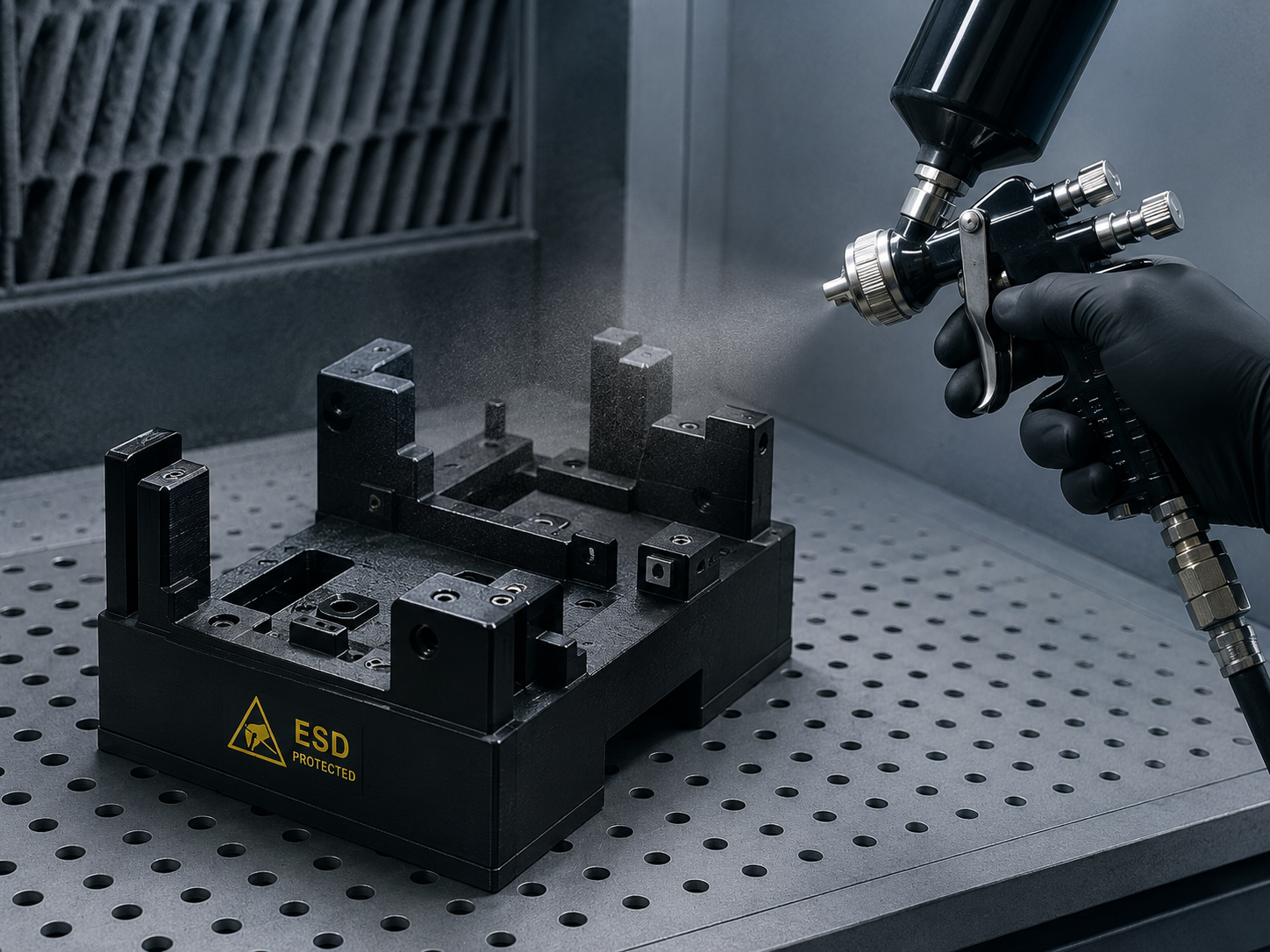
ESD-safe coatings can add static-dissipative behavior, helping reduce the risk of damage to printed parts used around electronics.