
3D Printing and Wire Management in Product Development
Wire management is one of the most overlooked parts of product design. A device can have excellent electronics, a strong enclosure, and good software, but if the wiring inside is poorly managed, the product can quickly become difficult to assemble, service, test, or scale.
This is especially true for prototypes, medical devices, industrial controls, laboratory equipment, robotics, and custom electronic products. These devices often contain circuit boards, batteries, sensors, displays, switches, LEDs, fans, antennas, connectors, and power supplies. All of those parts need to fit inside the enclosure without creating stress, interference, heat problems, or service issues.
3D printing has made wire management much easier to solve during development.
Wire Management Is Product Design
Wires should not be treated as something to “clean up later.” They affect the layout of the entire device.
Poor wire routing can cause strain on connectors, make the enclosure hard to close, block airflow, interfere with moving parts, create assembly errors, or make the product look unprofessional when opened. In some cases, loose wiring can also create reliability or safety concerns.
Good wire management helps a product feel intentional. It makes the device easier to build, easier to inspect, and easier to maintain.
Designing Around Real Components
One of the biggest advantages of 3D printing is the ability to design the enclosure around actual hardware.
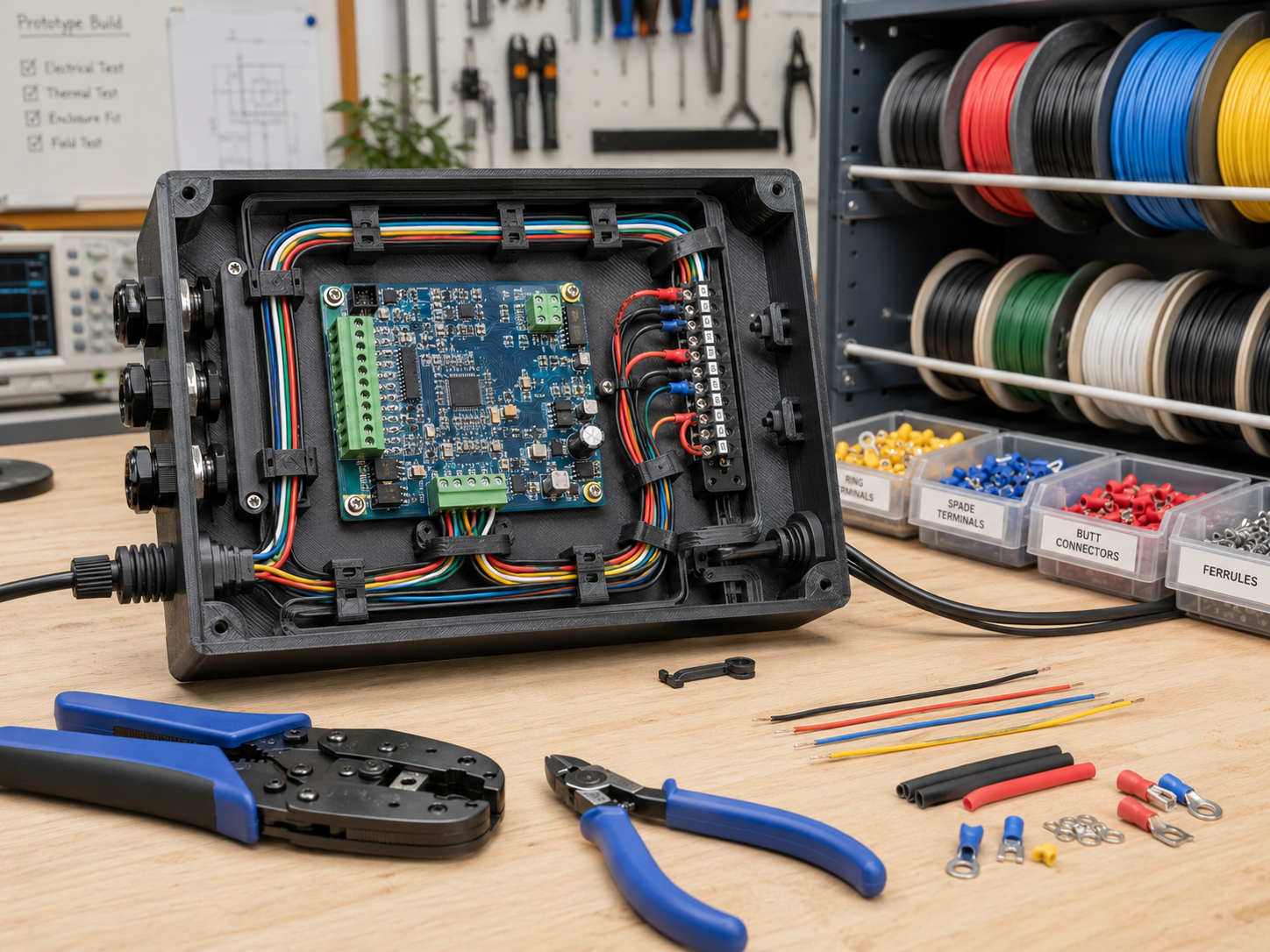
Instead of guessing where wires will go, designers can create printed features such as:
- Wire channels
- Cable clips
- Tie-down points
- Strain reliefs
- Board mounts
- Connector supports
- Battery trays
- Sensor brackets
- Access panels
- Service loops
- Harness guides
These features can be printed directly into the prototype enclosure. This allows the team to install the real electronics and see how the wiring behaves in the actual space.
Faster Iteration
Wire routing problems are often discovered only after a prototype is assembled. A connector may be hard to reach. A cable may be too short. A harness may block a cover. A wire may need more bend radius. A battery lead may need strain relief. A service panel may not provide enough access.
With traditional fabrication, fixing those problems can be slow and expensive.
With 3D printing, the enclosure or internal brackets can be revised quickly. A cable clip can be moved. A wire channel can be widened. A standoff can be raised. A removable tray can be added. A connector opening can be shifted.
This kind of iteration helps turn a rough prototype into a more professional product.
Better Assembly and Service
A well-designed enclosure should not require guesswork during assembly. Wires should have obvious paths. Connectors should be reachable. Serviceable parts should be accessible. Batteries, boards, and sensors should be held securely.
3D printing makes it possible to build these decisions into the design early.
For example, a printed internal tray can hold a battery, circuit board, charging module, and wiring harness in one removable assembly. A printed cover can protect wiring while still allowing access to connectors. A printed guide can keep wires away from fans, hinges, hot components, or moving parts.
These details may seem small, but they make a major difference in real-world use.
Prototypes That Look and Function Better
Early prototypes often look messy because electronics are installed after the enclosure is built. Wires are taped down, zip-tied wherever possible, or squeezed into available space.
That may be acceptable for a bench test, but it is not ideal for customer demonstrations, investor presentations, clinical feedback, or field evaluation.
3D printed wire management features help prototypes look more complete and function more reliably. The result is a device that communicates better design discipline and is easier for others to evaluate seriously.
Reducing Risk Before Production
3D printing is not always the final manufacturing method, but it is an excellent way to prove the internal architecture of a device before moving into production.
Wire routing, connector access, assembly order, service access, airflow, and component spacing should all be tested before expensive tooling or production fixtures are created.
A printed prototype can reveal whether the product can actually be assembled repeatedly and serviced without damaging wires or connectors. That information is valuable before committing to injection molding, machining, sheet metal, or production assembly.
Material Choices Matter
Material selection also matters. Basic materials may be fine for layout models, while stronger or more heat-resistant materials may be needed for functional prototypes.
For electronic products, ESD-safe 3D printing materials may also be useful. These materials can help reduce electrostatic discharge risks around sensitive components and may be appropriate for electronics fixtures, test equipment, assembly aids, control housings, and some device enclosures.
The material should match the job. Some prototypes only need to prove fit and routing. Others need to test durability, heat resistance, field handling, or electrical assembly procedures.
Why It Matters
Wire management is not just a cosmetic detail. It affects reliability, assembly, serviceability, safety, and user confidence.
3D printing allows product teams to solve wire management problems earlier, faster, and with less cost. It helps designers build real cable paths, mounting points, strain reliefs, and service access into the enclosure before the product reaches production.
For startups, industrial teams, medical device developers, laboratory equipment builders, and custom electronics projects, this can make the difference between a rough prototype and a professional, testable device.
A good enclosure protects the electronics. A good internal layout makes the device usable. Good wire management helps make the entire product work.
About the Author: jaegertechgroup.com

STAY IN THE LOOP
Subscribe to our free newsletter.
Leave A Comment
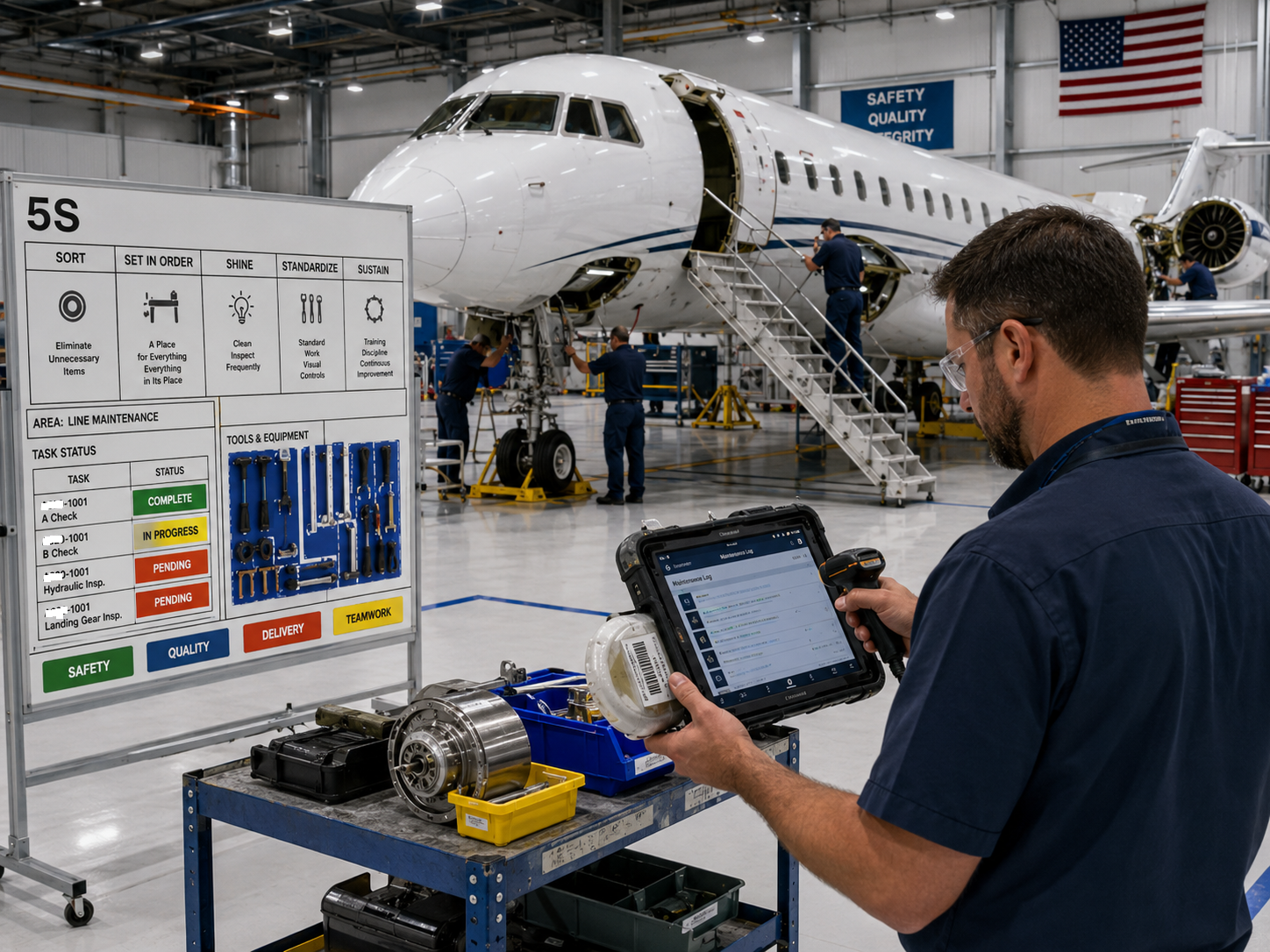
Integrating a Tablet, Scanner, and Maintenance Hardware Into One Aerospace Field Tool In aerospace maintenance, the challenge is rarely just collecting information.
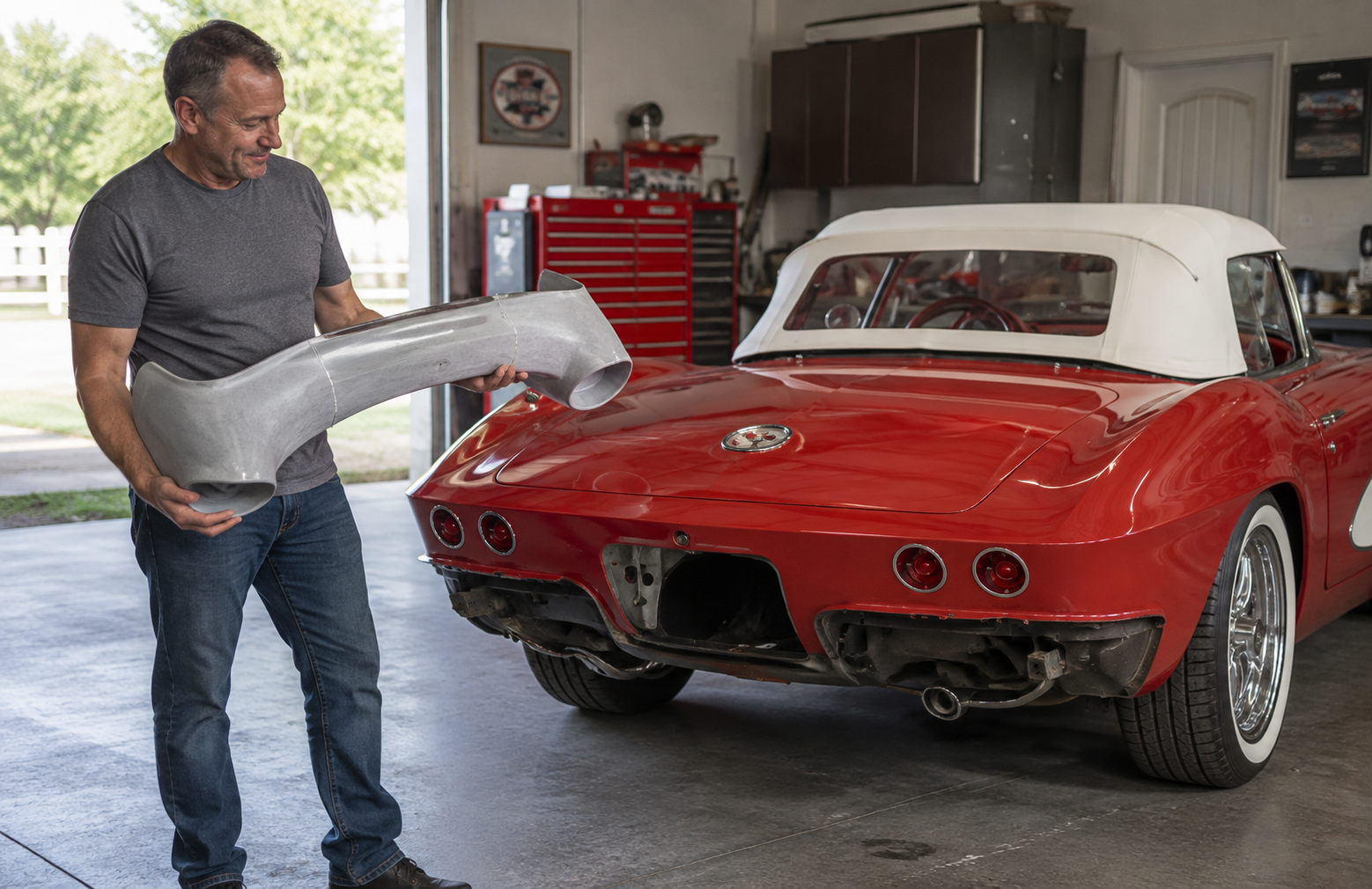
From 3D Scan to Perfect Fit: The Corvette Bumper Project Moves Forward A few weeks ago, we shared a project that demonstrated

Great Conversations and New Connections at SMD in Huntsville Last week, Janelle and I had the opportunity to attend SMD in Huntsville,
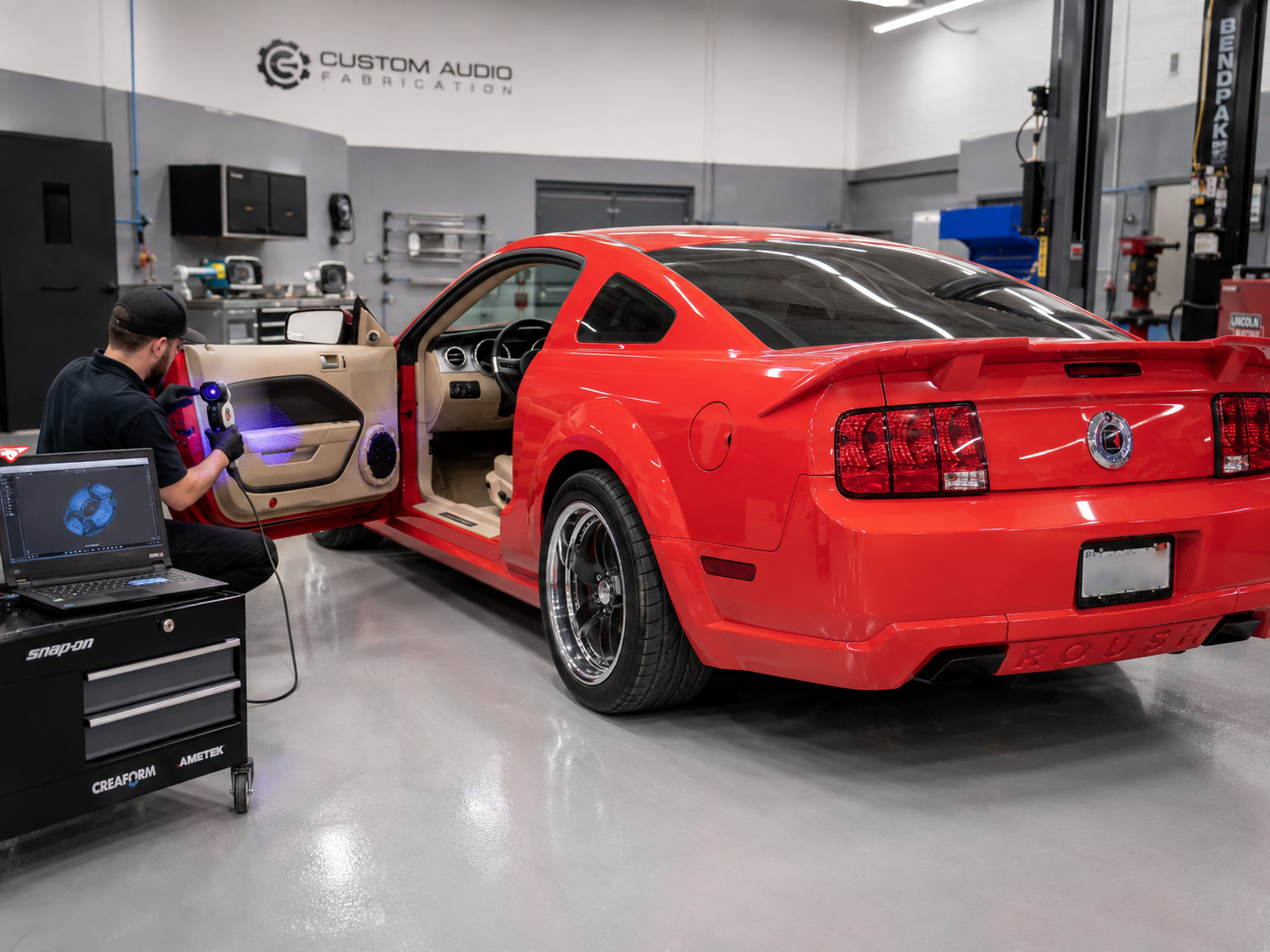
Custom 3D Printed Speaker Pods for a 2005 Ford Mustang Sometimes the problem is not the speaker. It is everything around it.