
3D Printed Patterns for Investment Casting: Material, Support, and Ceramic Shell Considerations
Investment casting has always depended on the quality of the pattern. Whether the process begins with injected wax, machined tooling, or a 3D printed pattern, the final casting is only as good as the decisions made before the first ceramic shell is built.
At JaegerTech, we work with manufacturers, foundries, and product developers who need practical ways to shorten lead times, reduce tooling costs, and produce complex patterns for investment casting. 3D printing can be an excellent tool in that process, but it is not magic. The material, print orientation, support strategy, burnout procedure, and shell-building process all matter.
For investment casting and ceramic shells, the goal is not simply to print a part that looks correct. The goal is to create a pattern that can be shelled, handled, burned out or melted away, and ultimately produce a sound casting with minimal risk.
Supports Matter More Than Many People Realize
When 3D printing patterns for investment casting, supports are not just a printing detail. They can affect surface finish, shell quality, pattern cleanup, and burnout performance.
Support contact points can leave scars, rough surfaces, or small defects that may transfer into the ceramic shell. In some cases, those defects become casting cleanup issues later. A poorly chosen orientation may require excessive supports on cosmetic or functional surfaces, while a better orientation can move support contact to less critical areas.
Support removal also matters. If support material is difficult to remove cleanly, it can leave residue or create small surface defects. In ceramic shell investment casting, even minor surface flaws can become part of the shell geometry. The shell does not know which defects were intentional and which were not.
There is also a burnout consideration. Dense support structures, trapped material, internal voids, or poorly vented geometry can change how the pattern behaves during burnout or meltaway. That can affect shell pressure, drainage, thermal expansion, and residue. A printed investment casting pattern should be designed and printed with the shell process in mind, not simply treated like a normal prototype.
At JaegerTech, support strategy is one of the first things we evaluate when preparing a 3D printed pattern for investment casting. Sometimes the best print orientation is not the fastest orientation. Sometimes it is the orientation that gives the cleanest shell, the best drainage, or the lowest risk during burnout.
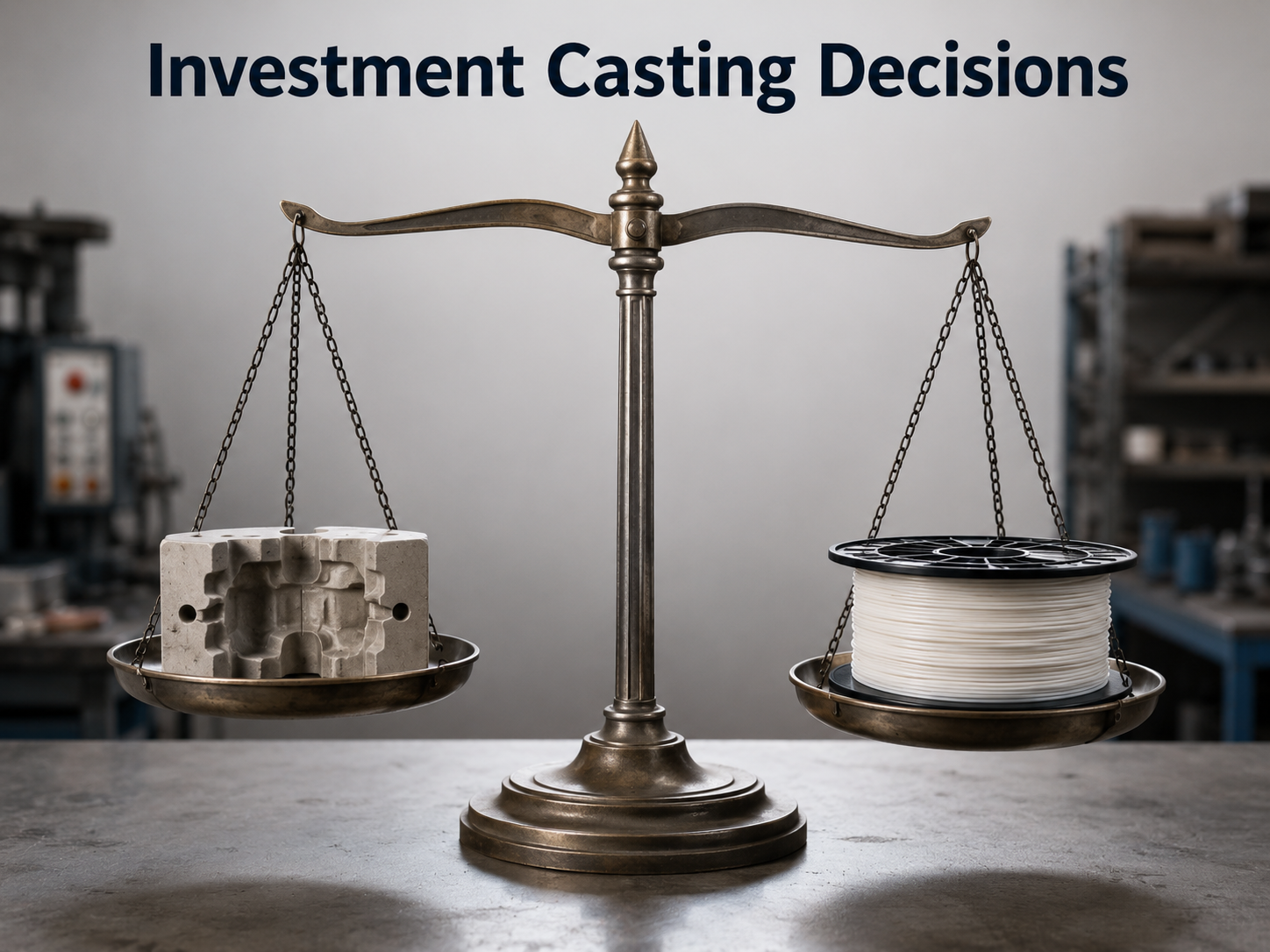
Sometimes a Mold Is Still the Better Choice
3D printing is powerful, but there are still times when building a mold, tool, or traditional pattern is the better manufacturing decision.
If a part will be produced repeatedly in higher volume, a mold may provide better consistency, lower per-part cost, and faster throughput. Printed patterns are often excellent for short runs, prototypes, bridge production, complex geometries, and low-volume investment casting. But if the same geometry will be produced hundreds or thousands of times, tooling can still make sense.
A mold may also be better when the geometry is simple, the required surface finish is high, or the pattern material needs to behave exactly like conventional foundry wax. In those cases, traditional wax injection into tooling may reduce process risk.
The correct choice depends on the job. JaegerTech does not treat 3D printing as a replacement for every traditional casting workflow. Instead, we look at the total process: part geometry, quantity, deadline, surface requirements, tolerance expectations, shell process, burnout requirements, and budget.
In some cases, direct 3D printed patterns are the right answer. In other cases, the better answer is a printed master, a silicone mold, machined tooling, or a hybrid approach.
Splitting the Pattern Can Be the Right Decision
A common assumption is that a part should be printed in one piece if it fits on the machine. That is not always true.
For investment casting, splitting a pattern into multiple sections can improve print quality, reduce supports, improve surface finish, control internal stress, and make shelling or burnout more predictable. Even when JaegerTech has the build volume to print a pattern as a single piece, there may be good reasons to divide it.
Splitting can allow each section to be oriented for best surface finish and minimum support contact. It can also reduce the risk of warping or contraction during printing. On some geometries, a one-piece print may create trapped volumes, difficult support zones, or poor drainage paths during burnout. A split pattern can sometimes solve those problems before the ceramic shell is ever built.
There are tradeoffs. Splitting a pattern means managing alignment, bonding, seams, and dimensional control. But for many investment casting patterns, those tradeoffs are worthwhile. A well-planned split can produce a cleaner pattern and a safer shell process than a single large print.
The decision should be made based on casting requirements, not just printer capacity.
Wax Filament Is Useful, But Not Always Easy
True wax filament can be excellent for investment casting. When it works well, it behaves closer to traditional foundry wax and can be compatible with meltaway or burnout processes used in ceramic shell casting.
The problem is printability.
Many wax-based filaments have adhesion challenges. They may not stick well to the build surface, may release during printing, or may deform as the print grows. Wax materials can also contract as they cool. This is not the same issue as metal shrinkage after casting. This is shrinkage or contraction during the printing process itself, which can cause warping, distortion, cracking, or loss of dimensional accuracy before the pattern ever reaches the foundry.
For some investment casting jobs, true wax filament is still the right choice. But it requires careful machine setup, controlled process conditions, and realistic expectations.
PLA Can Work, But Ceramic Shell Cracking Is a Known Risk
PLA is often considered for 3D printed investment casting patterns because it is easy to print, affordable, dimensionally useful, and widely available. For many shops, PLA is the first material tested because it prints reliably on common equipment.
However, PLA has limitations in ceramic shell casting. During burnout, PLA can expand, soften, char, or burn in a way that stresses the ceramic shell. If the shell is not built, dried, vented, and burned out correctly, PLA patterns can crack ceramic shells.
This does not mean PLA can never be used for investment casting. It means the foundry and pattern supplier need to understand the risk. PLA may be acceptable for certain geometries, shell systems, and burnout schedules. But it should not be treated as a drop-in replacement for foundry wax.
For ceramic shells, the burnout behavior of the printed material is just as important as the print quality.
A Better Pattern Material for Ceramic Shell Investment Casting
JaegerTech has been working with a newer pattern material that has shown strong promise for investment casting applications.
Compared with common PLA workflows, this material has produced better results with ceramic shells, including reduced shell cracking risk, good dimensional accuracy, and favorable burnout or meltaway behavior. We have also seen good results with steam autoclave workflows, which are commonly used to remove pattern material before final burnout.
When processed correctly, the material leaves minimal debris behind. After a proper burnout or meltaway procedure, the remaining ash is negligible for practical casting purposes.
That combination matters. For investment casting, the ideal printed pattern material should:
- Print with reliable dimensional accuracy.
- Hold shape during handling and shell building.
- Avoid excessive expansion that can crack ceramic shells.
- Burn out or melt away cleanly.
- Leave minimal residue or ash.
- Support practical foundry workflows such as steam autoclave and controlled burnout.
This is the direction JaegerTech is focused on: not just printing patterns, but developing a practical, repeatable process for 3D printed investment casting patterns that work with real ceramic shell systems.
The Pattern Is Only One Part of the Casting Workflow
A successful investment casting project depends on more than the printed pattern. The gating strategy, shell system, drying schedule, dewax or burnout method, venting, alloy, pour temperature, and finishing requirements all affect the final result.
That is why JaegerTech approaches investment casting support as a manufacturing workflow, not simply a print job. A pattern that looks good on a table may still fail if it creates problems during shelling or burnout. Likewise, a pattern that requires a little more planning up front may save significant time and cost later in the casting process.
For ceramic shells, every decision compounds. Material choice affects burnout. Print orientation affects surface finish. Supports affect cleanup. Splitting affects geometry and shell behavior. Burnout affects shell survival. Shell survival affects casting quality.
Practical Additive Manufacturing for Investment Casting
3D printing gives foundries and manufacturers new options for investment casting. It can reduce tooling cost, shorten lead time, enable complex geometries, and make low-volume casting projects more practical.
But the best results come from treating 3D printed patterns as engineered casting inputs, not decorative prototypes.
At JaegerTech, we help customers evaluate whether a part should be printed directly, split into sections, molded, tooled, or approached with a hybrid workflow. We consider material behavior, ceramic shell compatibility, burnout strategy, print orientation, support removal, and dimensional control before the pattern is produced.
Investment casting is a proven process. Ceramic shells are proven. 3D printed patterns can fit into that workflow very effectively, but only when the process is designed with foundry realities in mind.
For manufacturers, casting houses, and engineering teams looking to use additive manufacturing in investment casting, the right question is not simply, “Can this be printed?”
The better question is:
Can this be printed, shelled, burned out, and cast reliably?
That is where JaegerTech focuses its work.
About the Author: jaegertechgroup.com

STAY IN THE LOOP
Subscribe to our free newsletter.
Leave A Comment
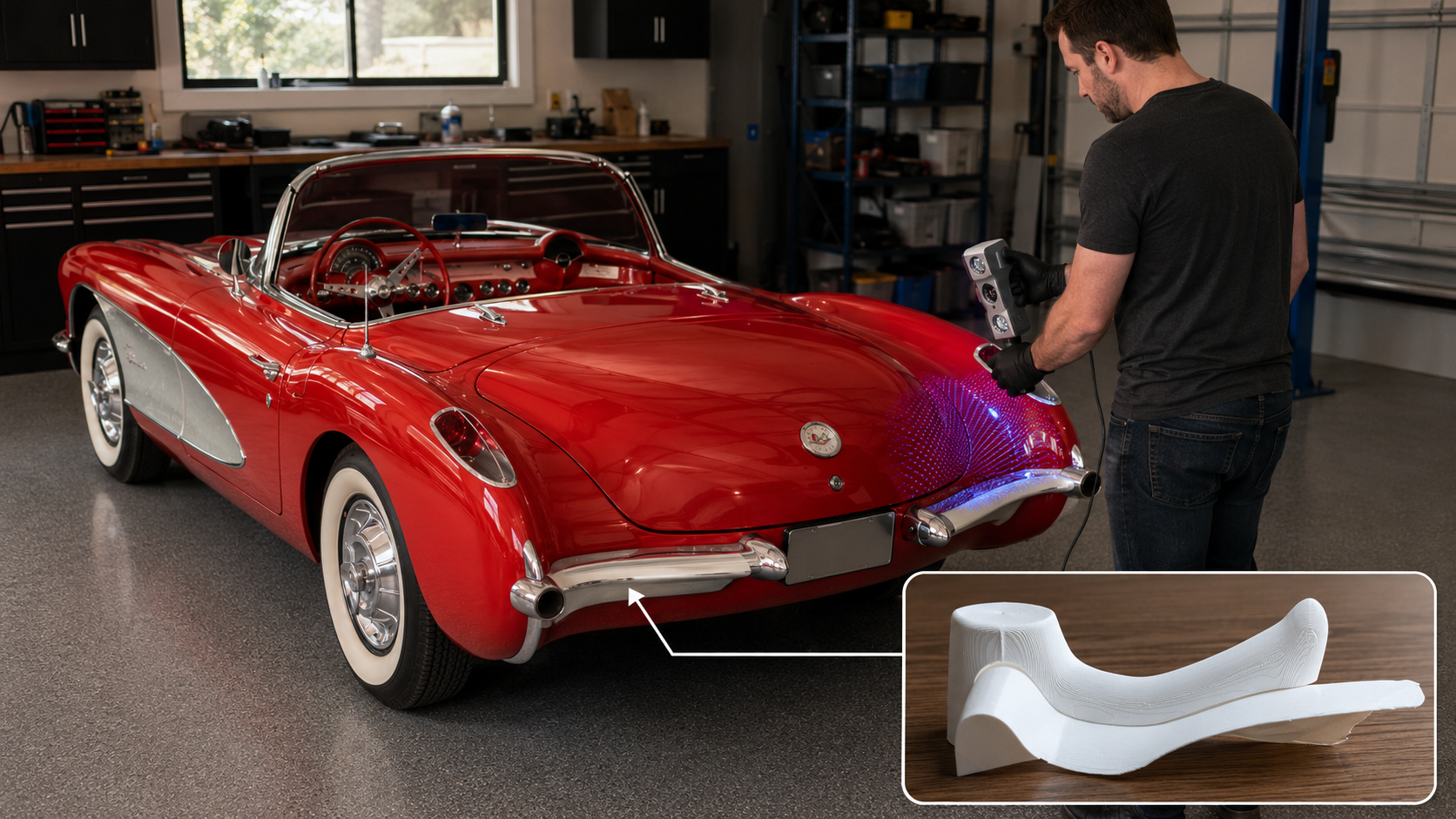
Best $150 I’ve Ever Spent on This Car Classic car projects have a way of turning simple problems into complicated ones. A

Using Development Boards in Early Hardware Prototypes Other Parts of this series: Part 2 – Choosing The Right Development Board Part 3
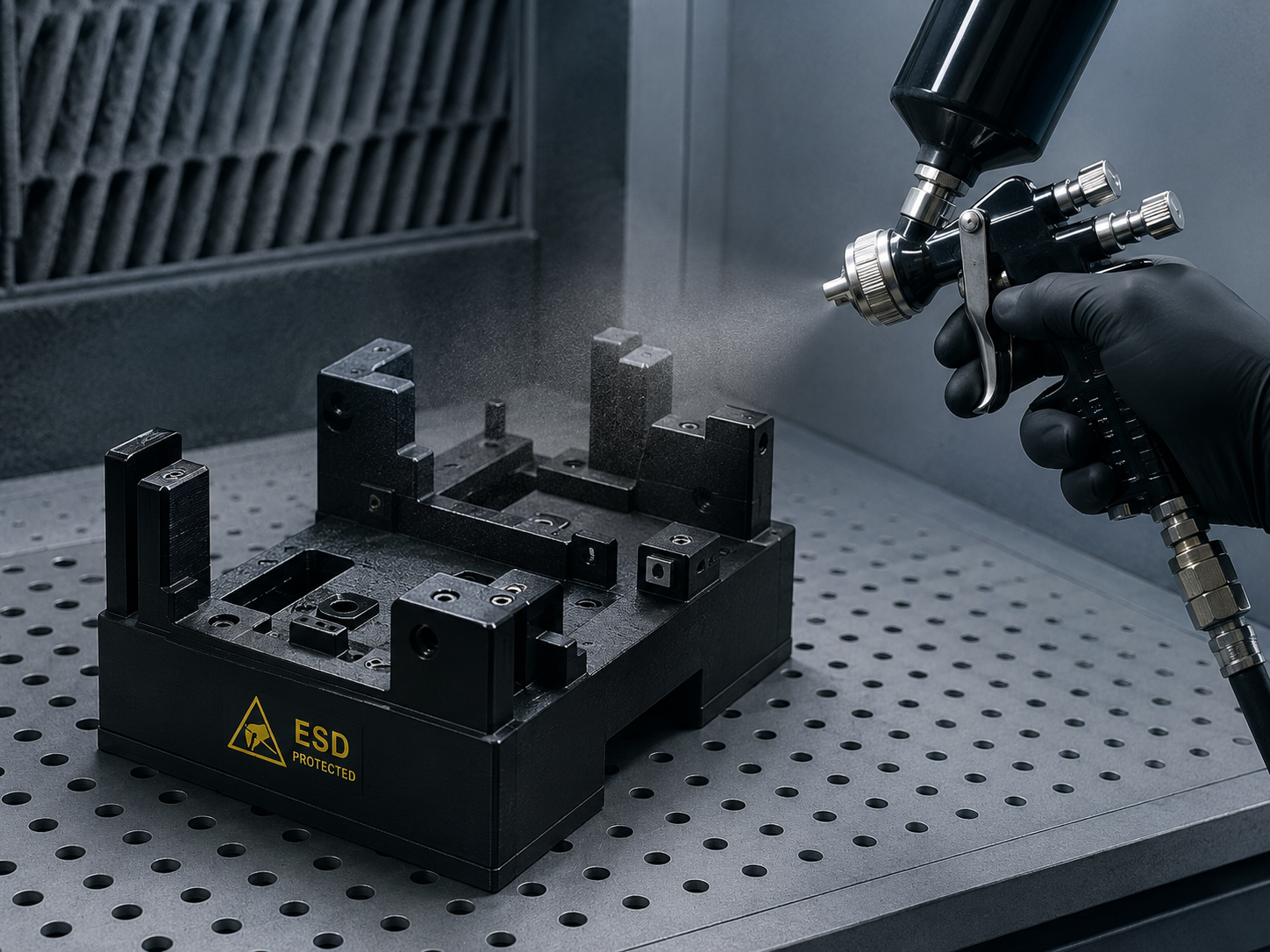
ESD-safe coatings can add static-dissipative behavior, helping reduce the risk of damage to printed parts used around electronics.
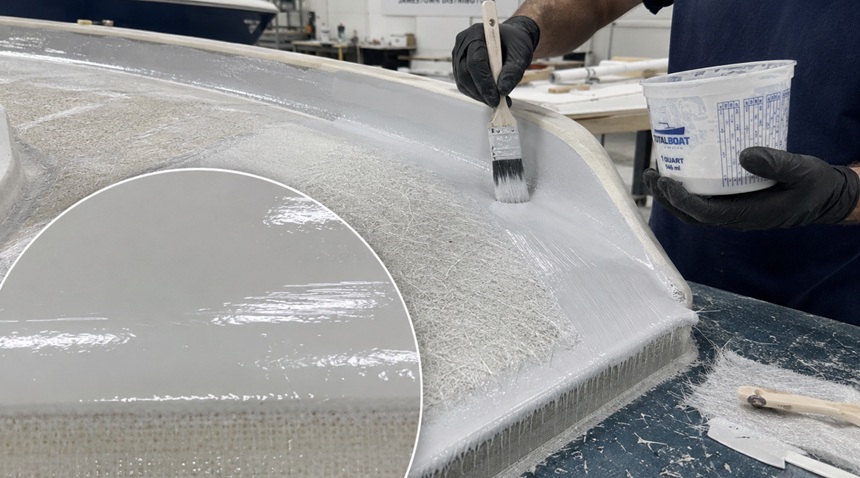
Gelcoat is common in composite and marine work. It can create a smooth, durable surface and is often used in mold-related workflows.