
Coatings and Surface Finishes for FDM / FFF 3D Printed Parts
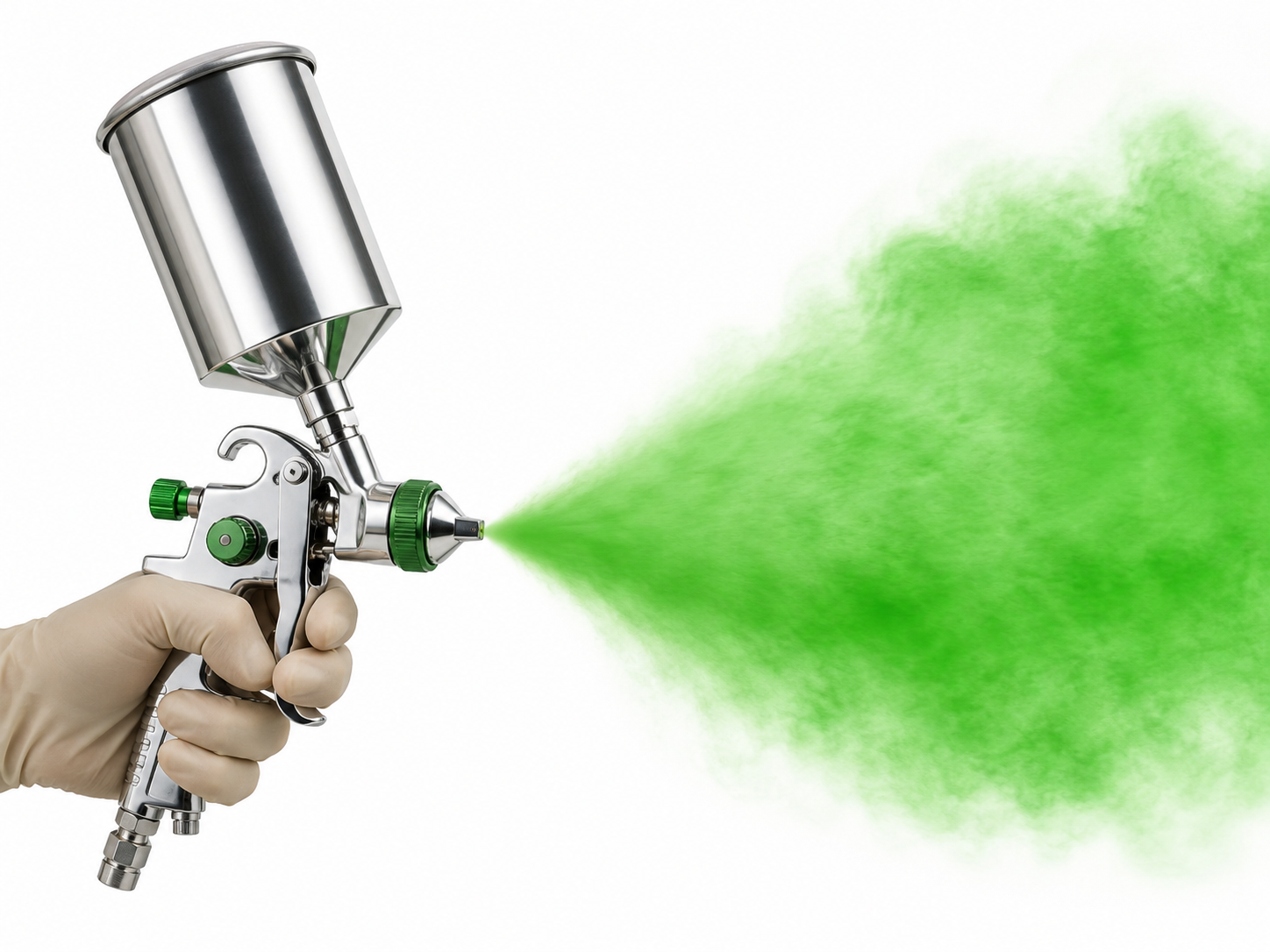
FDM/FFF 3D printed parts can be extremely useful straight off the printer, but many industrial applications benefit from post-processing. Coatings and surface finishes can improve appearance, seal layer lines, increase durability, protect the surface, improve mold release, prepare a part for painting, or make a printed pattern more useful in a manufacturing process.
At Jaeger Technology Group LLC, we use coatings and finishing methods for prototypes, foundry patterns, jigs, fixtures, molds, vacuum forming tools, composite masters, casting patterns, display models, and production support parts.
The right coating depends on the material, application, surface finish requirement, exposure environment, and how the part will be used.
Why Coat a 3D Printed Part?
FDM printed parts are built in layers. That layer structure is useful, but it can create visible ridges, small voids, porosity, and surface texture. A coating can help manage those issues.
Coatings may be used to:
- Reduce visible layer lines
- Seal porous surfaces
- Improve cosmetic appearance
- Create a smoother pattern surface
- Prepare for paint
- Improve durability
- Improve chemical resistance
- Improve moisture resistance
- Protect the part from wear
- Improve mold release
- Create a sandable surface
- Fill small defects
- Improve cleanability
- Add color or branding
- Add ESD-safe behavior in some cases
A coating should be chosen for the job. The wrong coating can crack, peel, soften the print, trap solvent, distort details, or fail in service.
Quick Comparison Table
| Coating / Finish | Best Use | Advantages | Disadvantages |
|---|---|---|---|
| Epoxy coating | Patterns, molds, fixtures, sealing | Tough, fills layer lines, good adhesion when prepped | Can be thick, runs, cure time, sanding effort |
| Polyester two-part coating | Surfacing, automotive-style finishing, patterns | Sands well, fast build, good filling | Strong odor, shrinkage, less adhesive than epoxy |
| Filler primer | Prototypes, cosmetic parts, light layer filling | Easy, affordable, fast, sandable | Limited durability, many coats needed |
| High-build primer / spray putty | Heavier cosmetic filling | Builds faster than primer | Can obscure detail, solvent sensitivity |
| Urethane paint | Durable finished parts, shop-grade finish | Tough, chemical-resistant, professional finish | Requires safety precautions, mixing, spray setup |
| Cyanoacrylate / CA | Sealing, hardening, small parts, quick fixes | Fast, thin, wicks into surfaces | Brittle, fumes, blooming, not ideal for large areas |
| Photopolymer / UV coating | Fast surface coating, detail parts | Rapid cure, smooth finish possible | UV cure limits, handling hazards, brittleness |
| Acrylic/enamel spray paint | Cosmetic prototypes | Easy, cheap, available | Lower industrial durability |
| Body filler / glazing putty | Seams, gaps, print sections | Excellent filling and shaping | Labor-intensive, not structural by itself |
| Gelcoat | Composite masters, mold-related work | Smooth, durable, mold-friendly | Process-sensitive, material compatibility concerns |
| ESD-safe coating | Electronics tooling | Adds static-dissipative surface | Must be verified, can wear |
| Release coatings/systems | Mold and composite work | Prevents sticking | Not protective by itself, process-specific |
About the Author: jaegertechgroup.com

STAY IN THE LOOP
Subscribe to our free newsletter.
Leave A Comment
Using 3D Printing to De-Risk Production Tooling Production tooling is expensive for a reason. Whether the final process is injection molding, thermoforming,
From 3D Scan to Perfect Fit: The Corvette Bumper Project Moves Forward A few weeks ago, we shared a project that demonstrated
Great Conversations and New Connections at SMD in Huntsville Last week, Janelle and I had the opportunity to attend SMD in Huntsville,
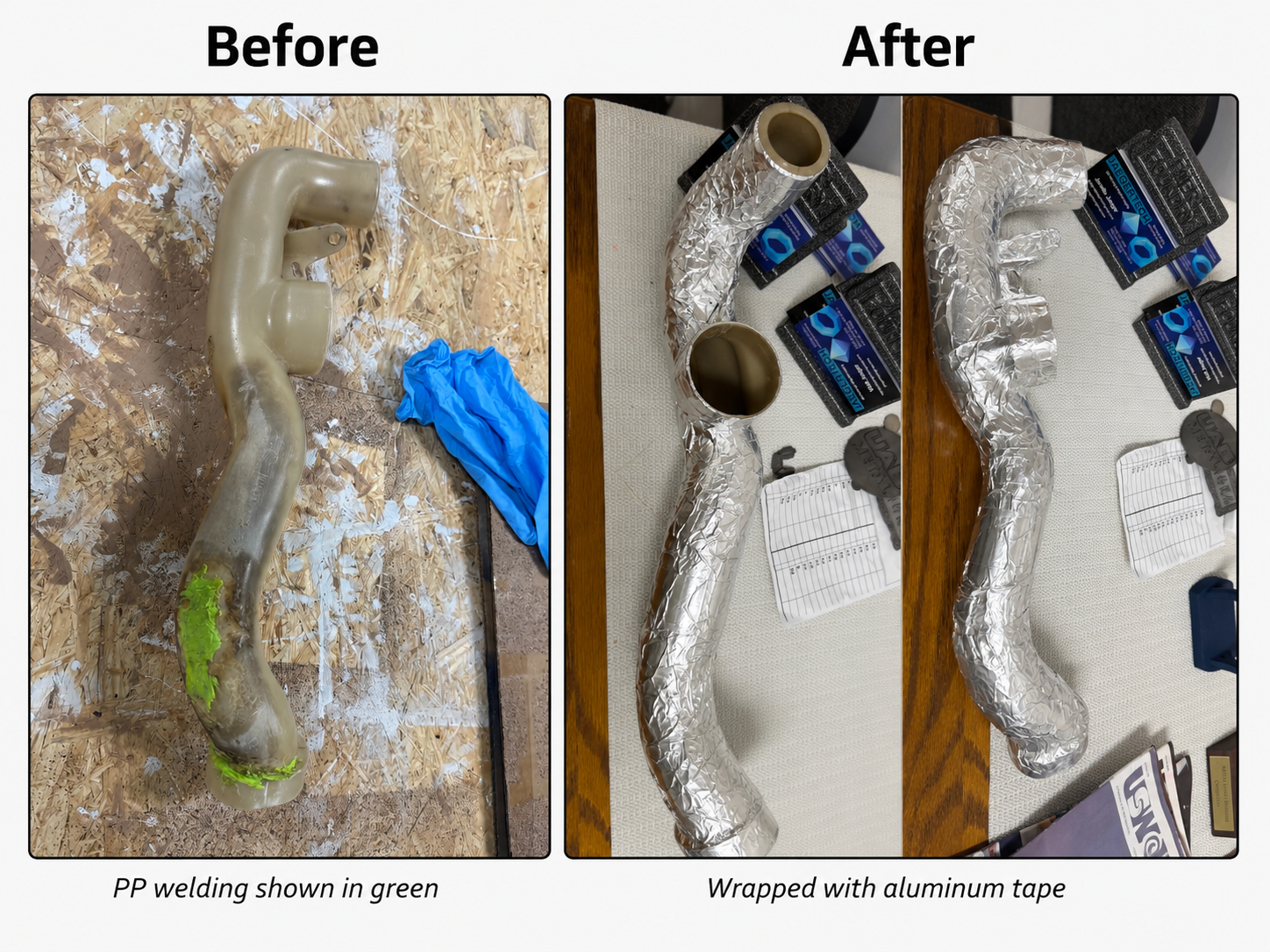
Repairing a Discontinued Polypropylene ATV Snorkel With Plastic Welding When a customer could not locate a replacement snorkel for his 21-year-old ATV,