
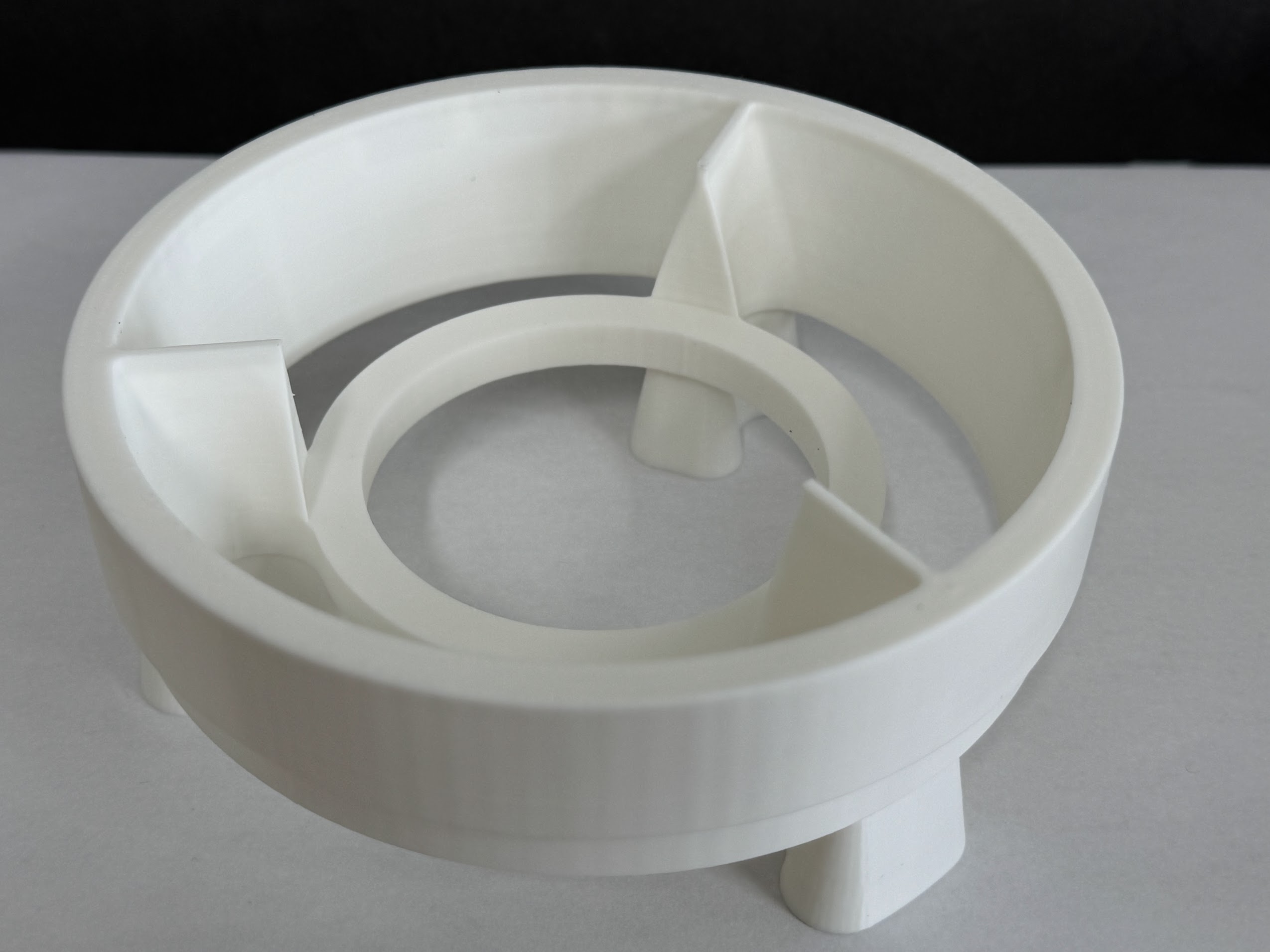
Wax and Burnout Filaments for FDM / FFF Printing
Wax and burnout-style filaments are used for investment casting, lost-wax-style workflows, jewelry, art casting, dental-style patterns, prototype castings, and specialty metal casting work. These materials are designed to print a pattern that can be invested and burned out before metal is poured.
Polymaker’s PolyCast is one well-known example. Polymaker describes PolyCast as a filament designed specifically for investment casting patterns, using ash-free technology with very low ash residue after burnout.
Where Burnout Filaments Work Well
Burnout filaments can be useful for:
- Investment casting patterns
- Jewelry casting
- Art casting
- Small metal components
- Prototype castings
- Complex wax-replacement patterns
- Low-volume metal parts
- Casting experiments
- Pattern development
They are especially useful when traditional wax injection tooling would be too slow or expensive.
Benefits
Burnout filaments can help reduce:
- Wax tooling cost
- Lead time
- Pattern-making bottlenecks
- Design iteration delays
- Cost for low-volume casting patterns
They can also allow complex geometry to be printed directly as a consumable pattern.
Important Process Considerations
A clean burnout process depends on more than the filament.
Important factors include:
- Pattern geometry
- Wall thickness
- Infill strategy
- Venting
- Investment material
- Burnout schedule
- Furnace capability
- Ash residue
- Shell strength
- Foundry process
- Metal being cast
For foundry work, the filament is only one part of the process. The burnout schedule and investment system matter heavily.
Wax-Like vs Burnout-Specific Materials
Not every “wax-like” filament behaves like injection wax. Some are blends. Some are PVB-based. Some are designed for cleaner burnout than ordinary PLA. Some may expand, soften, ash, or leave residue differently.
Before using a burnout filament for important casting work, test:
- Burnout behavior
- Ash residue
- Surface finish
- Shell cracking
- Dimensional accuracy
- Pattern strength
- Handling durability
- Foundry compatibility
JaegerTech View
Burnout filaments can be powerful for investment casting, but they require process discipline. For sand casting, a reusable 3D printed foundry pattern may be more practical. For investment casting, burnout filament may make sense when clean burnout, geometry, and low-volume pattern production justify the workflow.
About the Author: jaegertechgroup.com

STAY IN THE LOOP
Subscribe to our free newsletter.
Leave A Comment
Great Conversations and New Connections at SMD in Huntsville Last week, Janelle and I had the opportunity to attend SMD in Huntsville,
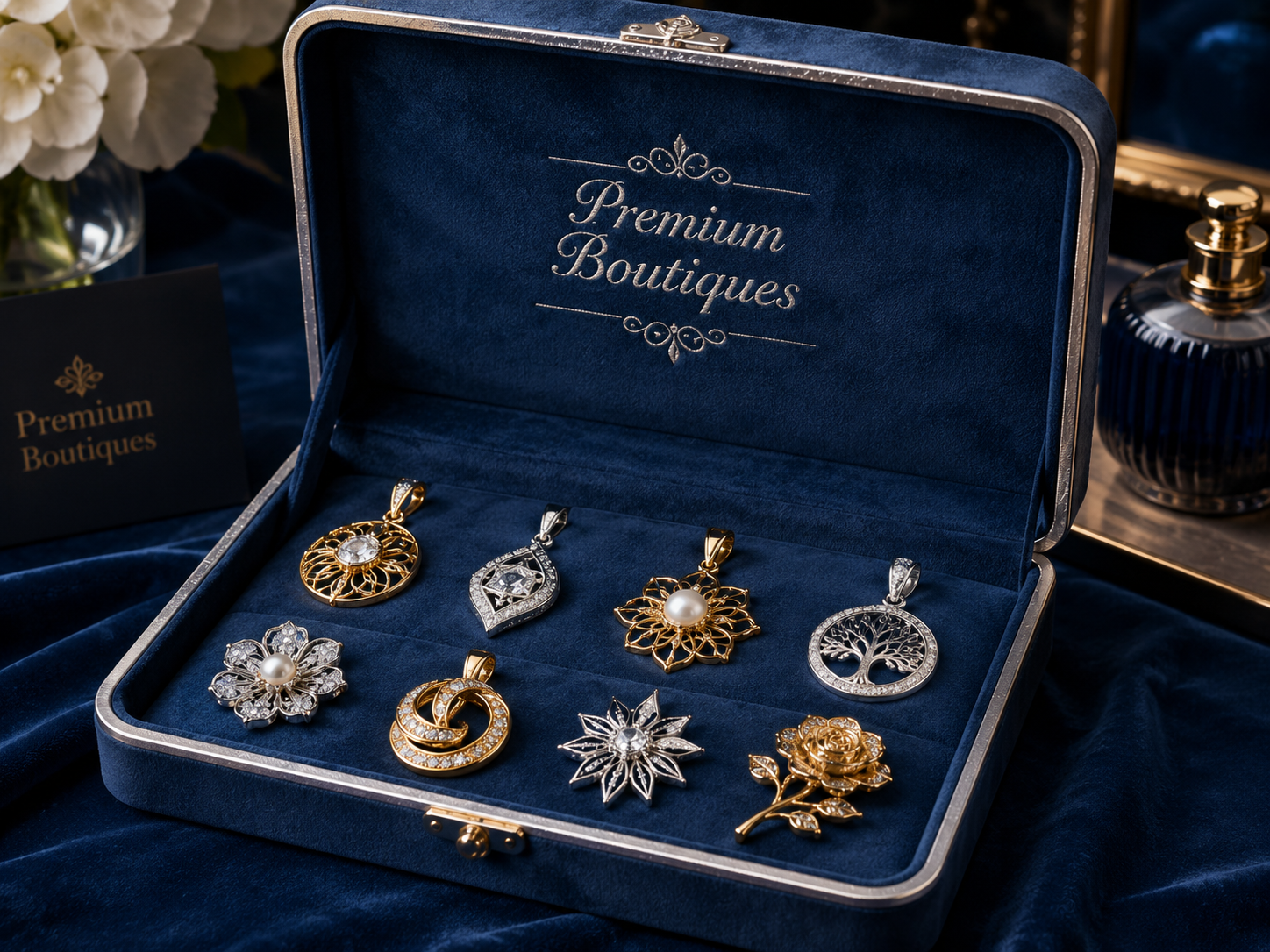
From Product Idea to Cast Metal: Developing a Custom Jewelry Collection Through Digital Design, 3D Printing, and Investment Casting Developing a new
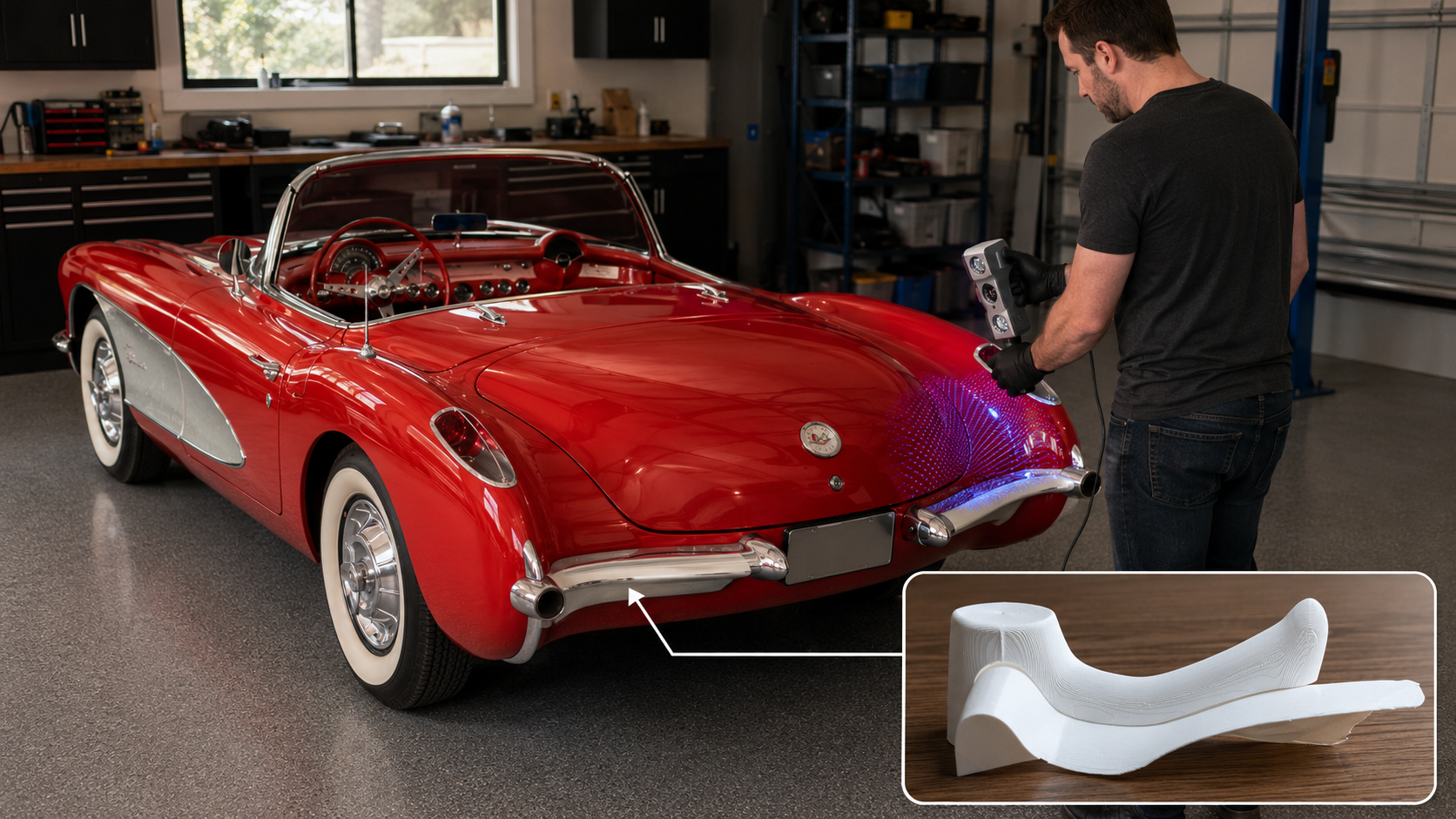
Best $150 I’ve Ever Spent on This Car Classic car projects have a way of turning simple problems into complicated ones. A
3D Printed Sand Casting Patterns: Choosing the Right Material for Reusable Tooling By JaegerTech – Practical Guidance for Foundries and Pattern Makers