
PPS for FDM / FFF 3D Printing
PPS, or polyphenylene sulfide, is a higher-performance engineering polymer known for chemical resistance, dimensional stability, heat resistance, and low moisture absorption compared with many other engineering plastics. In FDM/FFF printing, PPS is a serious material for applications where common polymers are not enough.
Where PPS Works Well
PPS can be useful for:
- Chemical-resistant fixtures
- Higher-temperature tooling
- Industrial components
- Electrically useful components, depending on grade
- Production support parts
- Fluid-handling development parts
- Automotive and aerospace support applications
- Parts exposed to oils, fuels, coolants, or aggressive environments
PPS is often considered when PETG, ASA, ABS, or nylon do not provide enough temperature or chemical resistance.
PPS-CF and Reinforced PPS
Carbon-fiber-filled PPS can improve stiffness and dimensional stability. It may be useful for stronger fixtures, tooling, and higher-performance industrial parts.
Potential uses include:
- Strong chemical-resistant fixtures
- High-stiffness industrial tooling
- Heat-resistant brackets
- Dimensional inspection aids
- Lightweight tooling components
Challenges
PPS requires a more capable printer than PLA, PETG, ABS, or ASA. It may require higher nozzle temperatures, better thermal control, appropriate bed surfaces, dry material, and careful process tuning.
Challenges include:
- Higher print temperature
- Higher material cost
- Process sensitivity
- Printer capability requirements
- Potential brittleness depending on grade and print setup
- Need for application-specific validation
JaegerTech View
PPS is a serious industrial material. It is not a casual replacement for PLA or PETG. We would consider PPS when the application justifies higher heat resistance, chemical resistance, and better engineering performance.
About the Author: jaegertechgroup.com

STAY IN THE LOOP
Subscribe to our free newsletter.
Leave A Comment
Best $150 I’ve Ever Spent on This Car Classic car projects have a way of turning simple problems into complicated ones. A

Using Development Boards in Early Hardware Prototypes Other Parts of this series: Part 2 – Choosing The Right Development Board Part 3
3D Printed Patterns for Investment Casting: Material, Support, and Ceramic Shell Considerations Investment casting has always depended on the quality of the
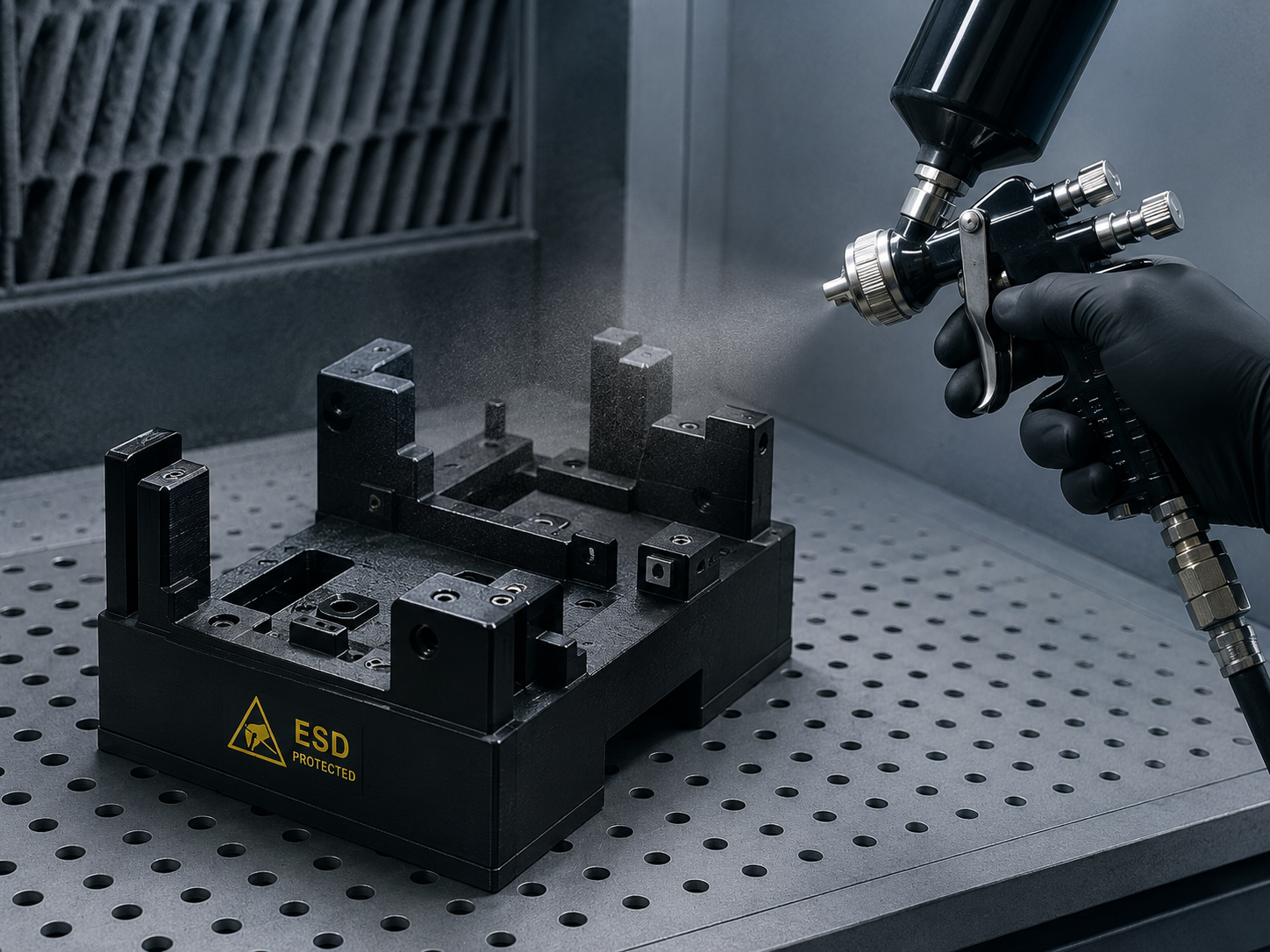
ESD-safe coatings can add static-dissipative behavior, helping reduce the risk of damage to printed parts used around electronics.