
ABS and ASA for FDM / FFF 3D Printing
ABS and ASA are long-standing industrial thermoplastics used for functional prototypes, tooling, housings, covers, guards, and production support parts. ASA is especially useful when UV and outdoor exposure matter, while ABS remains common for general industrial parts and post-processing.
Where ABS Works Well
ABS can be useful for:
- Functional prototypes
- Housings and enclosures
- Fixtures
- Foundry pattern work
- Covers and guards
- Industrial shop aids
- Parts needing sanding, filling, or finishing
- Parts where acetone smoothing or solvent bonding is useful
ABS can offer a practical mix of toughness, temperature resistance, and post-processing options.
Where ASA Works Well
ASA is often preferred when a part will see outdoor exposure or UV light.
ASA can be useful for:
- Outdoor fixtures
- Equipment covers
- Guards
- Housings
- Signage components
- Automotive-style trim prototypes
- Durable industrial components
- Weather-exposed parts
Most printer material guides place ASA and ABS in a similar print-temperature class, but ASA is generally selected for better weathering and UV performance.
Challenges
ABS and ASA are more demanding than PLA or PETG. They can warp, shrink, crack, or delaminate if printed without enough temperature control. Larger ABS/ASA parts generally benefit from enclosed printers, proper bed temperature, and careful material handling.
Challenges include:
- Warping
- Shrinkage
- Odor/fumes
- Bed adhesion
- Layer splitting
- Enclosure requirements
- More careful print tuning
JaegerTech View
ABS and ASA are good industrial materials when printed correctly. ASA is one of the first materials we consider for outdoor or UV-exposed parts. ABS remains useful for tooling, prototypes, and finished parts where post-processing matters.
About the Author: jaegertechgroup.com

STAY IN THE LOOP
Subscribe to our free newsletter.
Leave A Comment
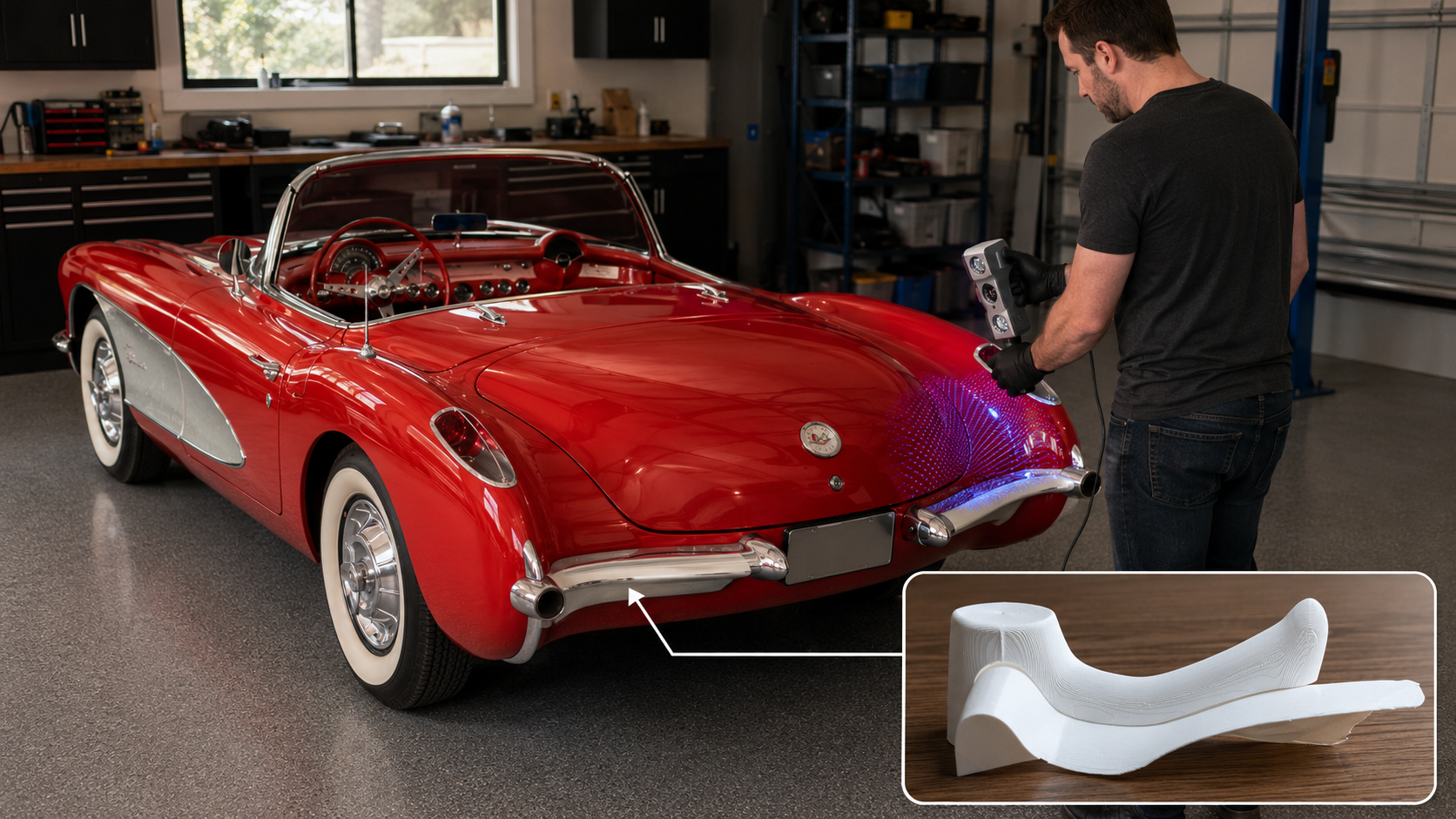
Best $150 I’ve Ever Spent on This Car Classic car projects have a way of turning simple problems into complicated ones. A

Using Development Boards in Early Hardware Prototypes Other Parts of this series: Part 2 – Choosing The Right Development Board Part 3
3D Printed Patterns for Investment Casting: Material, Support, and Ceramic Shell Considerations Investment casting has always depended on the quality of the
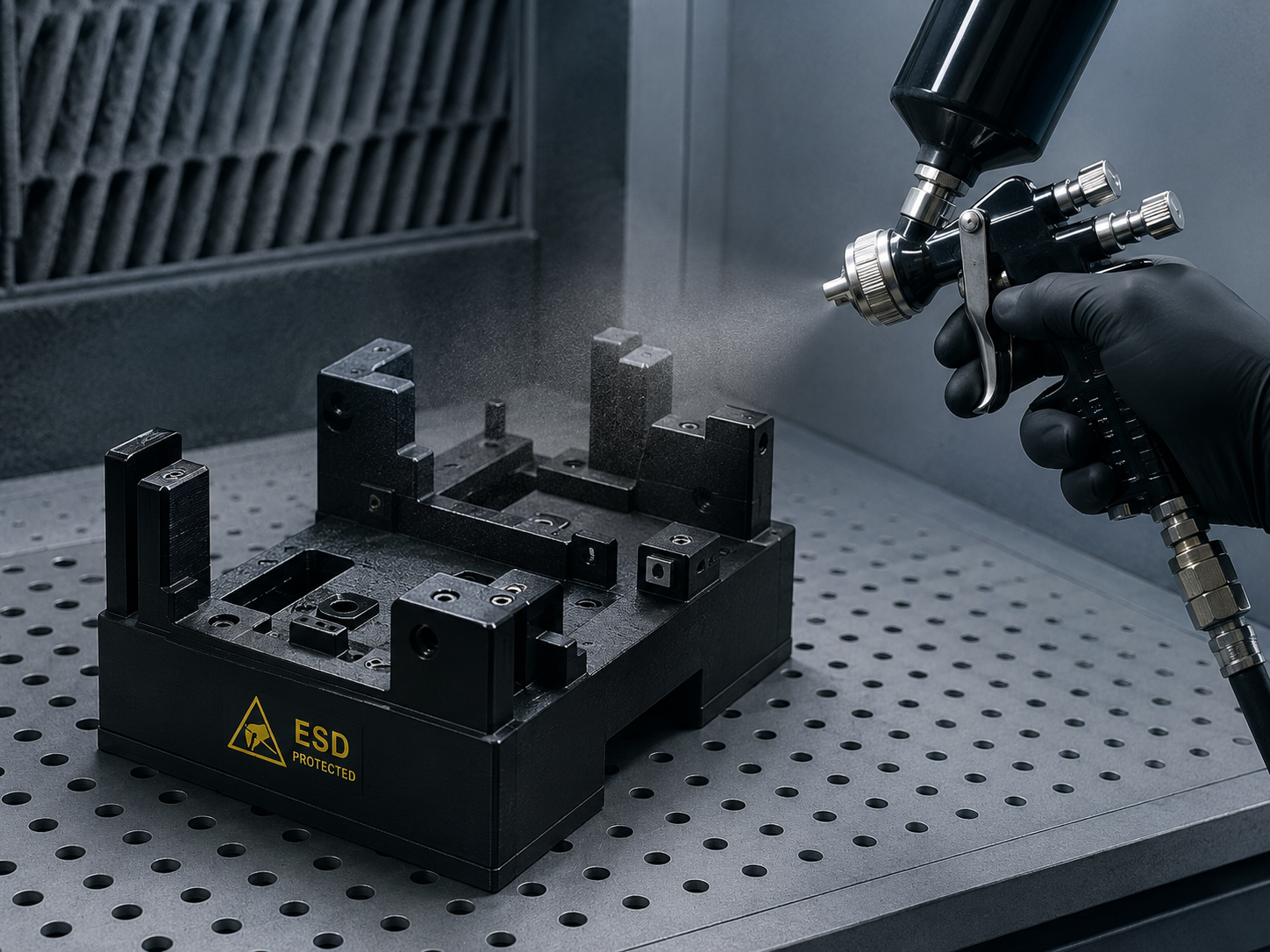
ESD-safe coatings can add static-dissipative behavior, helping reduce the risk of damage to printed parts used around electronics.