
PLA for FDM / FFF 3D Printing
PLA is one of the most common FDM/FFF materials. It is widely used because it prints easily, holds detail well, and is economical for prototypes, concept models, patterns, and low-stress parts. Most filament guides treat PLA as one of the easiest materials to print, with relatively low nozzle and bed temperatures compared with ABS, ASA, PETG, and high-performance polymers.
Where PLA Works Well
PLA is a good choice for:
- Concept models
- Visual prototypes
- Fit-check parts
- Low-stress design models
- Display models
- Short-term shop aids
- Pattern development
- Large visual mockups
- Basic form-and-fit validation
PLA is useful when the job needs a fast, clean, affordable part and the environment is not demanding.
Where PLA Is Weak
PLA is usually not the right material for parts that will see high heat, heavy load, long-term outdoor exposure, repeated impact, or demanding industrial use. It can be brittle compared with tougher materials and can soften or deform in warm environments.
Avoid PLA for:
- High-temperature service
- Parts left in hot vehicles
- Strong fixtures under load
- High-impact tools
- Outdoor production parts
- Long-term mechanical components
- Solvent or chemical exposure
- Flexible parts
PLA for Industrial Work
In an industrial shop, PLA is still useful. It just needs to be used honestly. It is good for early development, geometry review, pattern mockups, fit checks, and fast iteration.
PLA can help answer questions like:
- Does the part fit?
- Is the shape correct?
- Does the assembly clear?
- Is the size right?
- Do we need to change the design before using a better material?
For many projects, PLA is the right first step before moving into PETG, PCTG, ASA, nylon, PPS, machining, casting, or another process.
JaegerTech View
PLA is not a magic engineering plastic, but it is one of the best materials for fast learning. We use it where speed, cost, printability, and visual geometry matter more than long-term mechanical performance.
About the Author: jaegertechgroup.com

STAY IN THE LOOP
Subscribe to our free newsletter.
Leave A Comment
Best $150 I’ve Ever Spent on This Car Classic car projects have a way of turning simple problems into complicated ones. A
Using Development Boards in Early Hardware Prototypes Other Parts of this series: Part 2 – Choosing The Right Development Board Part 3
3D Printed Patterns for Investment Casting: Material, Support, and Ceramic Shell Considerations Investment casting has always depended on the quality of the
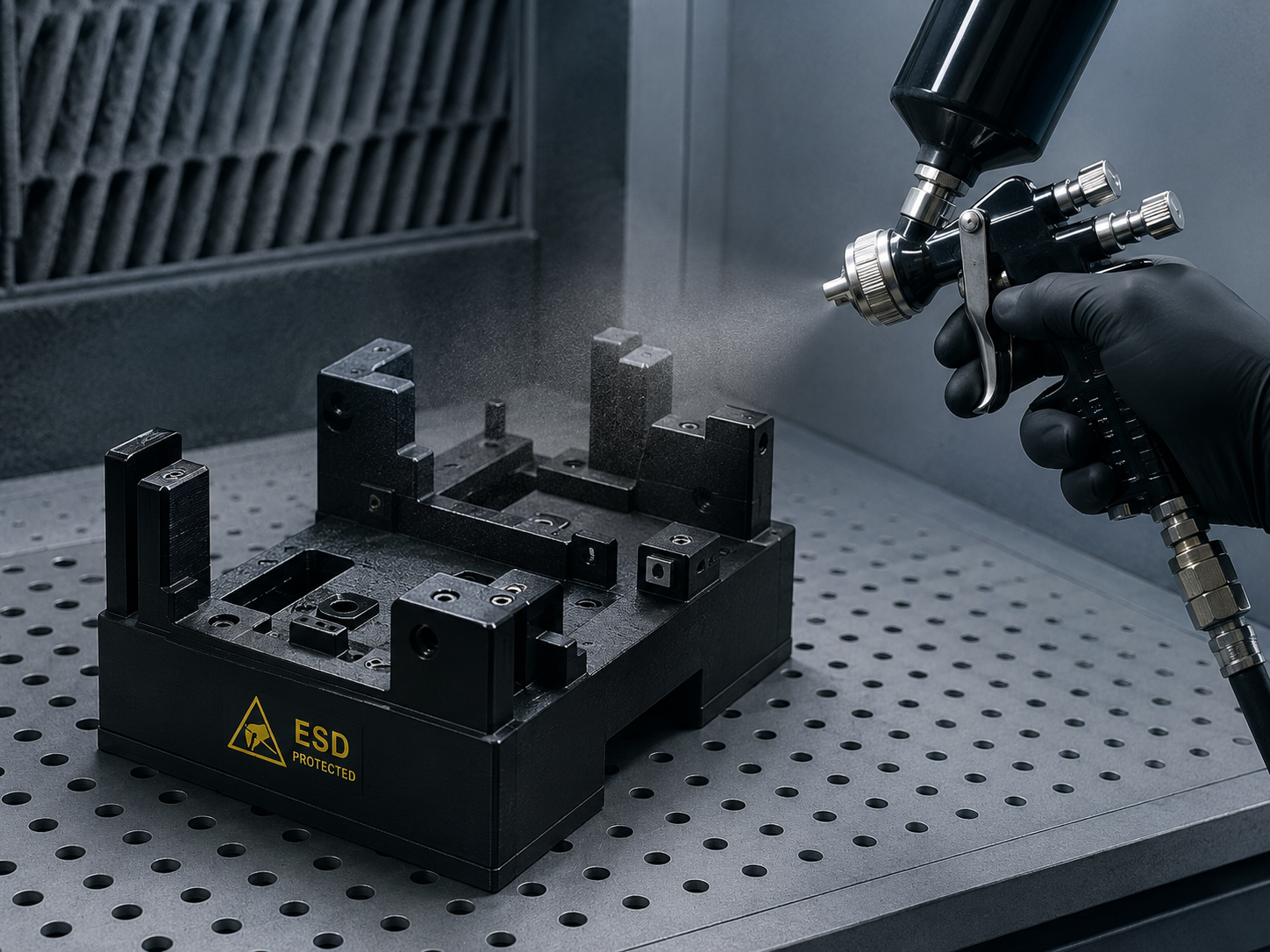
ESD-safe coatings can add static-dissipative behavior, helping reduce the risk of damage to printed parts used around electronics.