
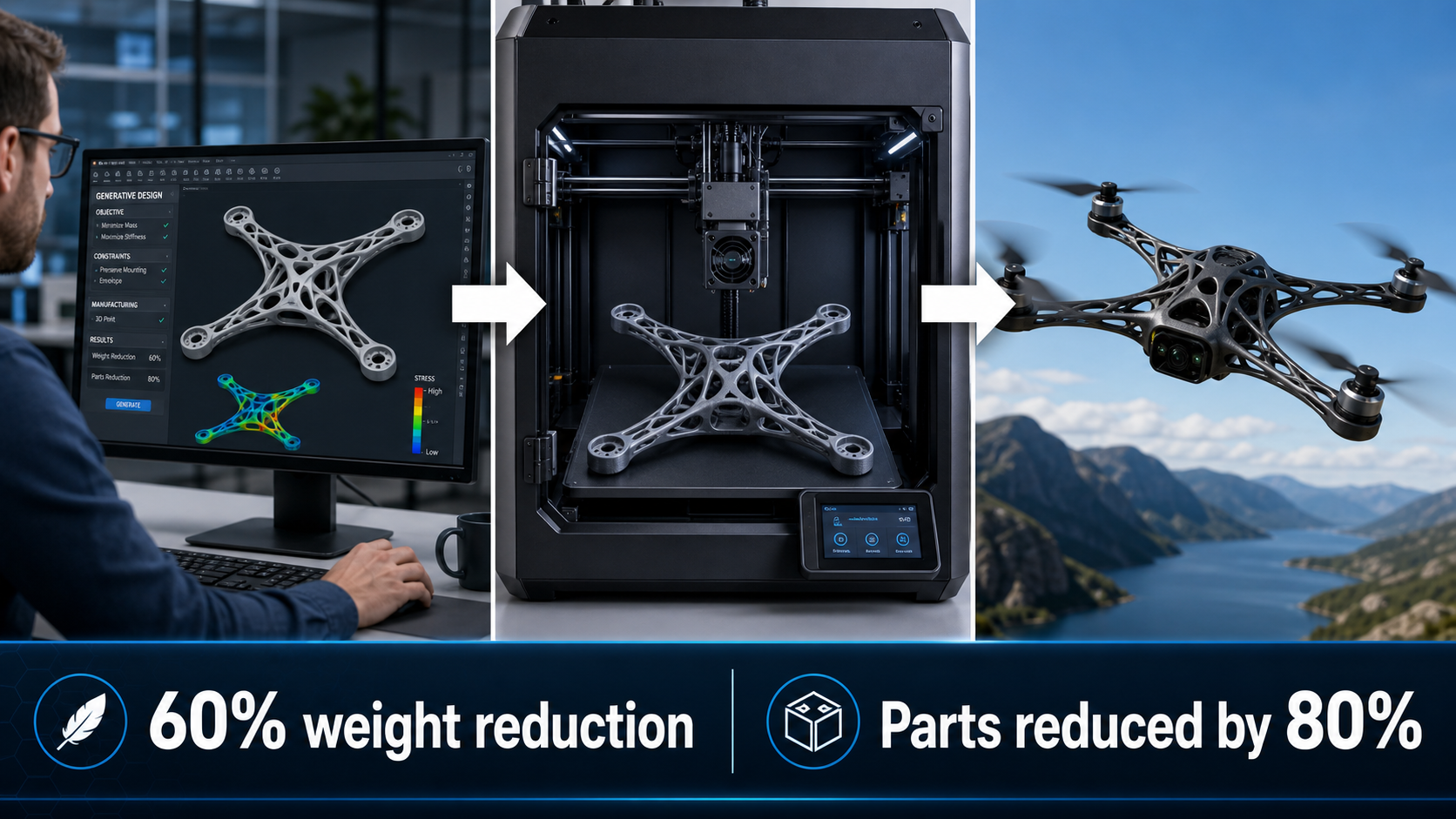
How Generative Design and 3D Printing can make a better UAV / Drone
The real power of 3D printing is not copying a machined part.
It is redesigning the part around the job it actually needs to do.
With generative design, material goes where strength is needed and disappears where it is not.
That means lighter brackets, stronger mounts, cleaner enclosures, better ducts, and geometry that traditional manufacturing often cannot produce.
For drones, UAVs, aerospace tooling, and advanced manufacturing, lightweighting is not cosmetic.
It can mean longer flight time, better payload capacity, reduced assembly weight, and improved performance.
3D printing also allows part consolidation.
Five brackets, spacers, clips, and fasteners may become one optimized printed component.
That means fewer parts to buy, fewer parts to assemble, fewer tolerance problems, and fewer failure points.
At Jaeger Technology Group LLC, we help customers use industrial 3D printing where it creates a real advantage:
lighter components, faster prototypes, complex geometry, low-volume production, and smarter manufacturing support.
If your part is too complex, too expensive, too heavy, or too slow to make traditionally, it may be time to rethink it.
Contact Jaeger Technology Group LLC to discuss generative design, lightweighting, and industrial 3D printed parts.
About the Author: jaegertechgroup.com

STAY IN THE LOOP
Subscribe to our free newsletter.
Leave A Comment
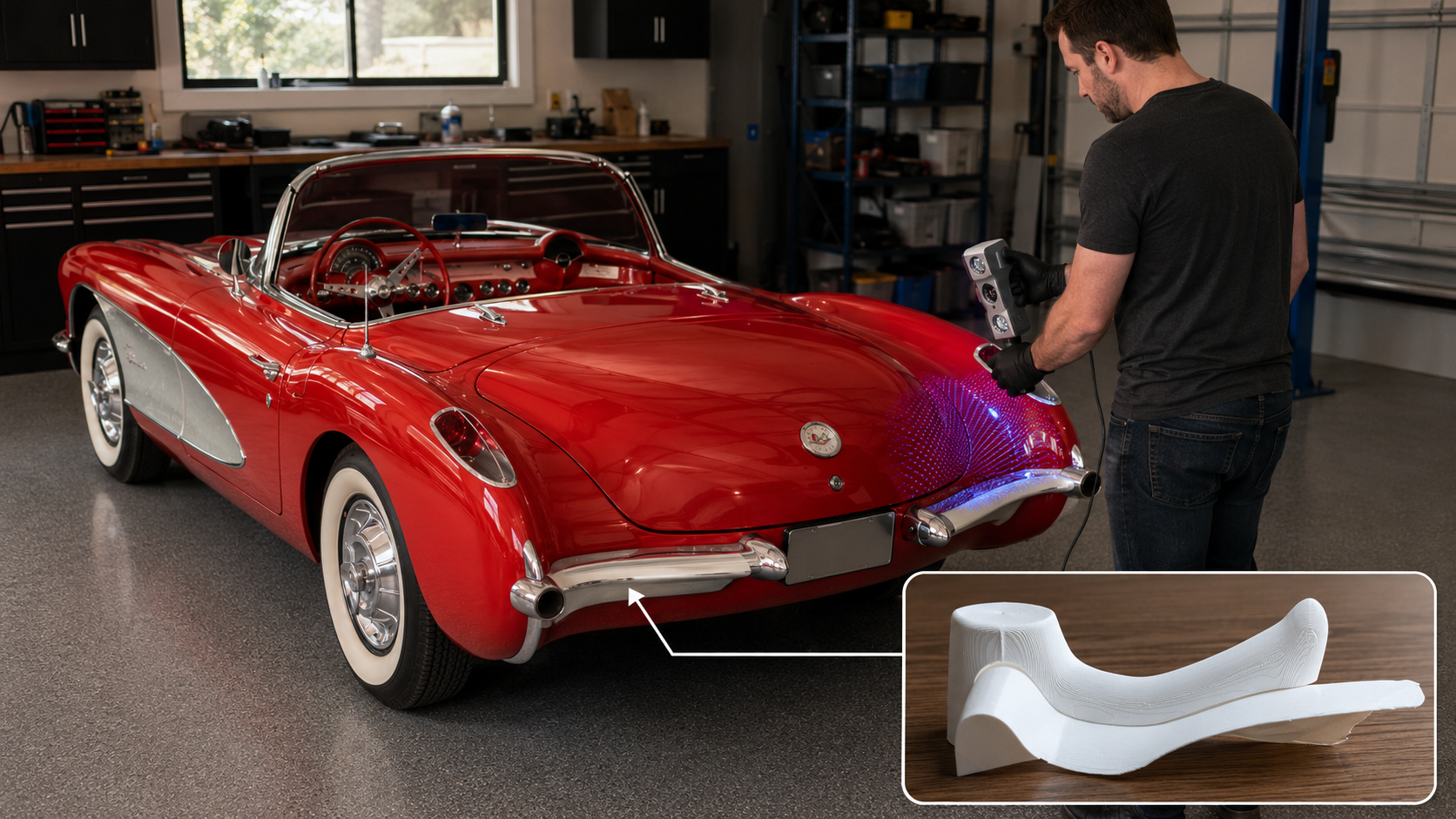
Best $150 I’ve Ever Spent on This Car Classic car projects have a way of turning simple problems into complicated ones. A
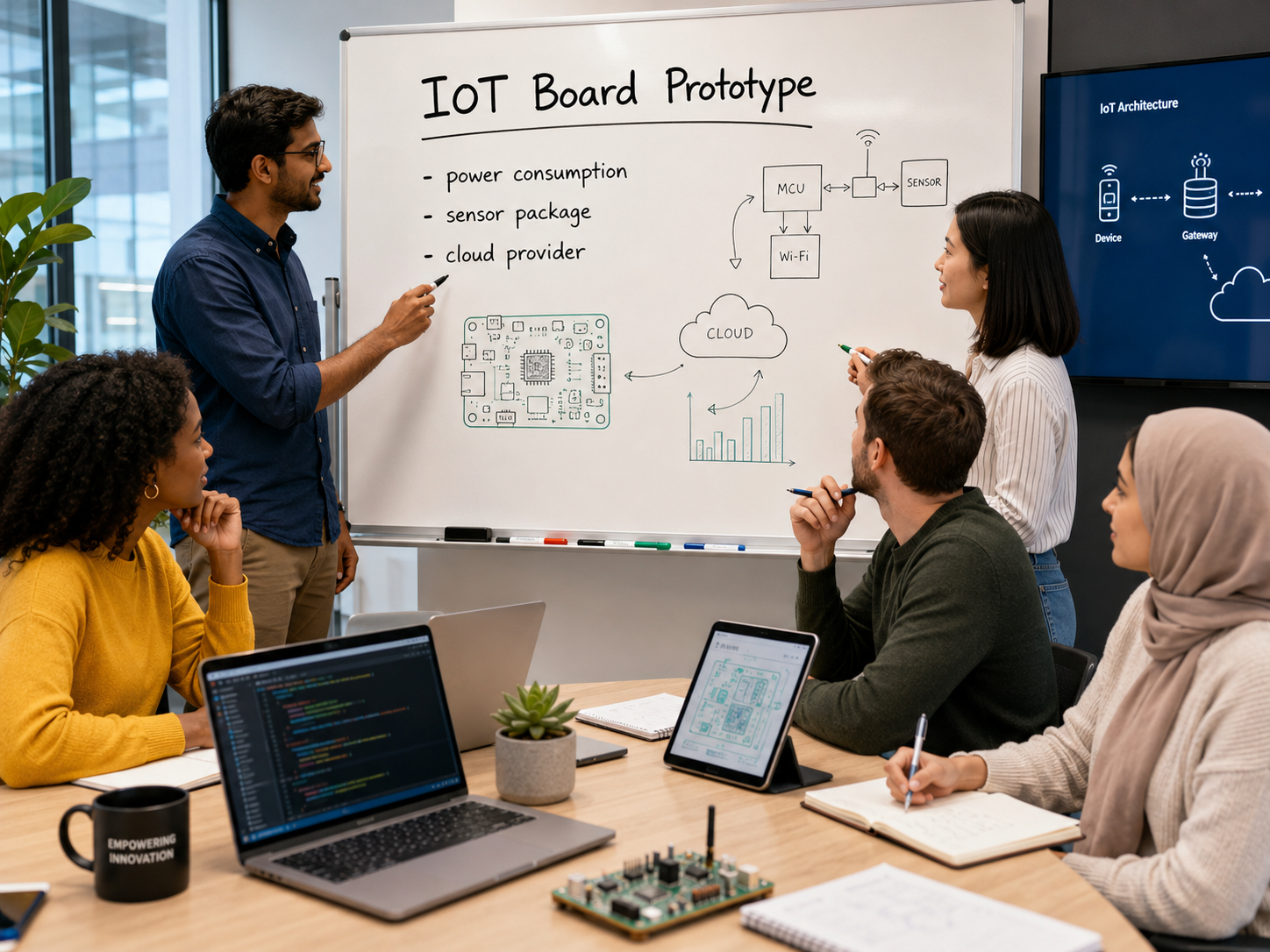
Using Development Boards in Early Hardware Prototypes Other Parts of this series: Part 2 – Choosing The Right Development Board Part 3

3D Printed Patterns for Investment Casting: Material, Support, and Ceramic Shell Considerations Investment casting has always depended on the quality of the
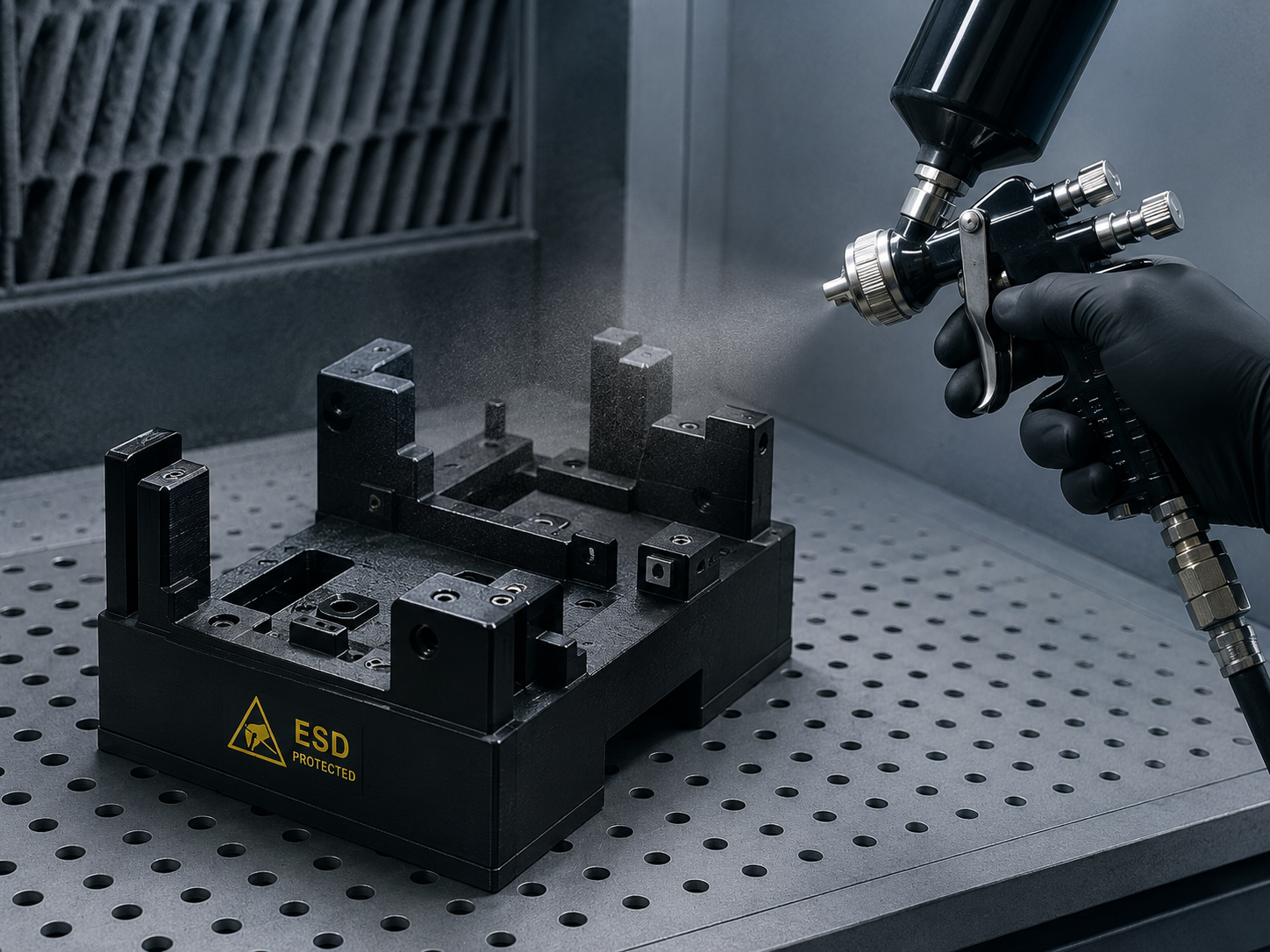
ESD-safe coatings can add static-dissipative behavior, helping reduce the risk of damage to printed parts used around electronics.