
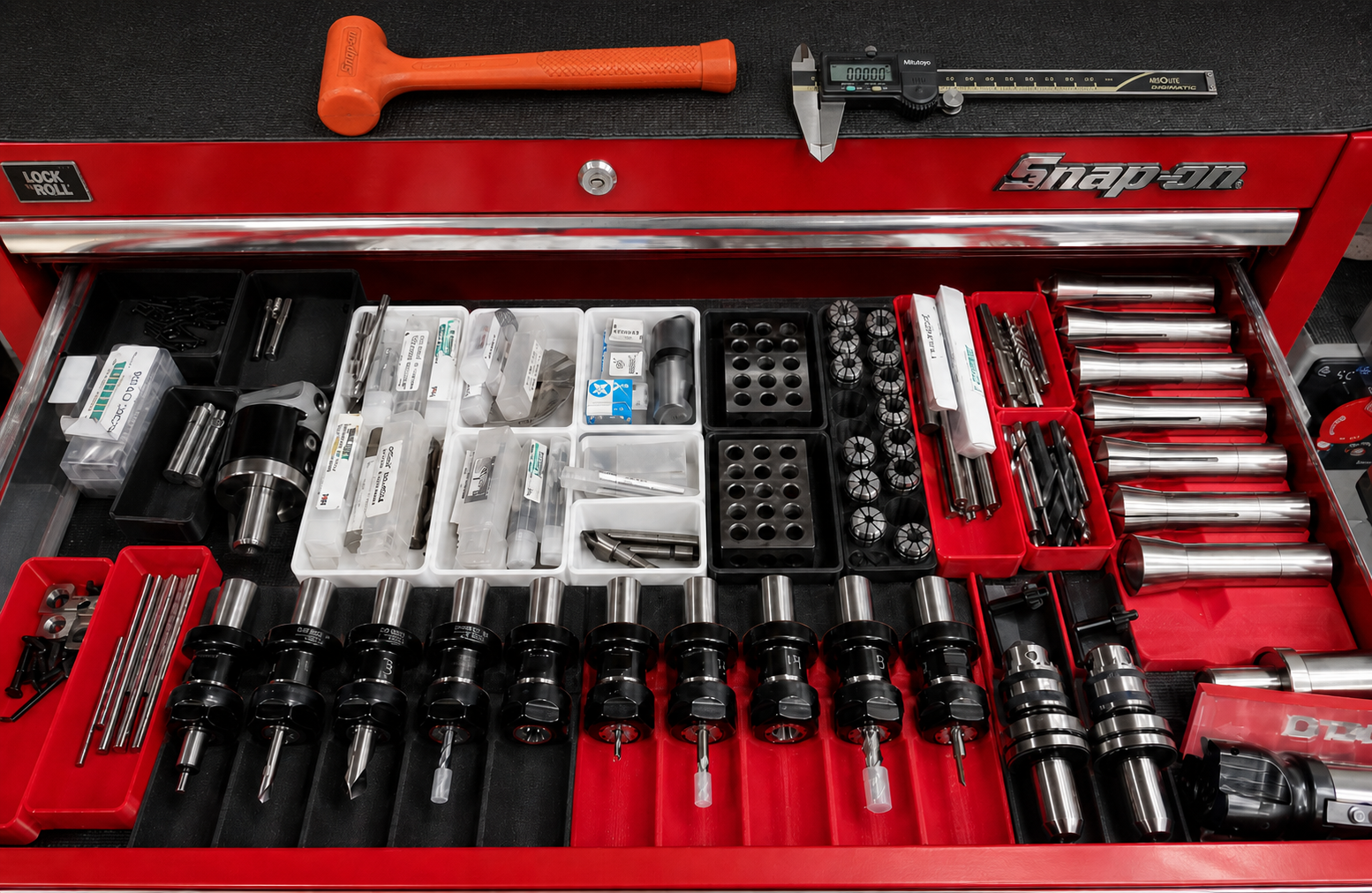
The Cart Was There. The Process Wasn’t.
The manufacturer already had carts.
That was not the problem.
The carts moved parts.
The carts followed the job.
The carts were part of the workflow.
But they were not organized.
Tools shifted around. Parts got mixed. Operators had to stop and look for things. Small mistakes were too easy. The cart was supposed to support the process, but instead it became one more place for confusion to hide.
Someone finally said it:
“We don’t need another cart. We need the cart to tell people what belongs where.”
That is where Jaeger Technology Group LLC came in.
We helped create 3D printed cart organization and poka-yoke fixtures for automotive production support. The goal was not to make the cart prettier. The goal was to make the workflow harder to mess up.
Every tool, part, gauge, and component needed a home.
Not just a spot.
A shaped location.
A visual cue.
A place that made sense.
The result supported basic 5S workplace organization without turning it into paperwork. Sort what belongs on the cart. Set everything in order. Make missing tools obvious. Standardize the layout. Sustain the process because the cart itself guides the operator.
With 3D printed organizers, nests, holders, and mistake-proofing fixtures, the cart became part of the quality system.
The operator could see what was missing.
The wrong part did not fit where the right part belonged.
Tools were easier to return.
Setup was faster.
Errors were reduced before they reached the vehicle.
That is the value of poka-yoke tooling and practical 5S cart organization.
It does not depend on perfect memory.
It does not require someone to “just be more careful.”
It builds the correct action into the workstation.
Jaeger Technology Group LLC helps manufacturers design and produce 3D printed cart organizers, poka-yoke fixtures, 5S tooling, tool holders, part nests, assembly aids, kitting fixtures, and automotive production support tooling.
Because a cart should not just carry the job.
It should help prevent the mistake.
About the Author: jaegertechgroup.com

STAY IN THE LOOP
Subscribe to our free newsletter.
Leave A Comment
Using 3D Printing to De-Risk Production Tooling Production tooling is expensive for a reason. Whether the final process is injection molding, thermoforming,
Integrating a Tablet, Scanner, and Maintenance Hardware Into One Aerospace Field Tool In aerospace maintenance, the challenge is rarely just collecting information.
From 3D Scan to Perfect Fit: The Corvette Bumper Project Moves Forward A few weeks ago, we shared a project that demonstrated
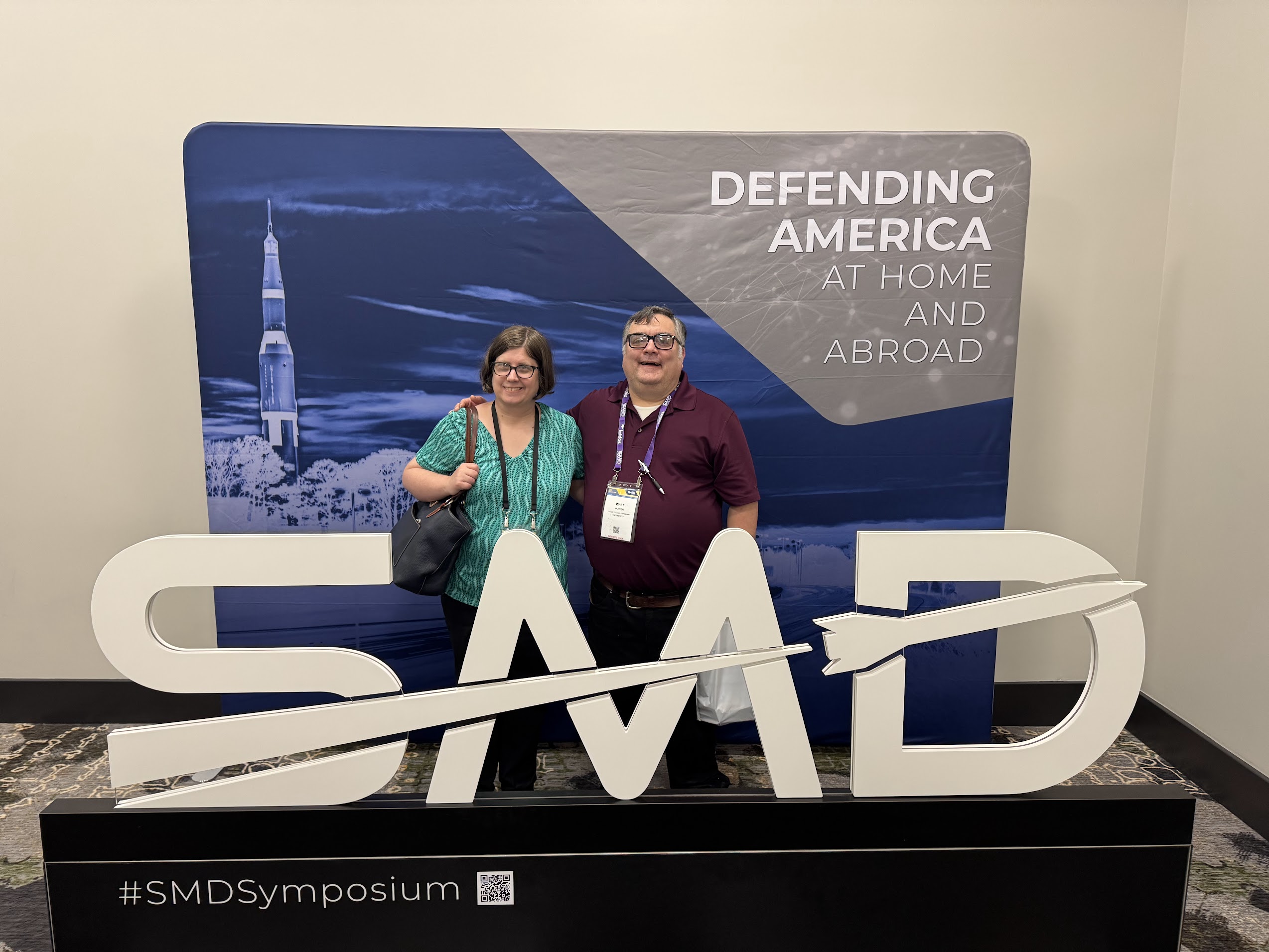
Great Conversations and New Connections at SMD in Huntsville Last week, Janelle and I had the opportunity to attend SMD in Huntsville,