A mid-sized foundry had a pattern room full of legacy wood patterns. Some were active jobs. Some were old customer tooling. Some had not been touched in years, but still represented future replacement orders, repeat work, and customer history.
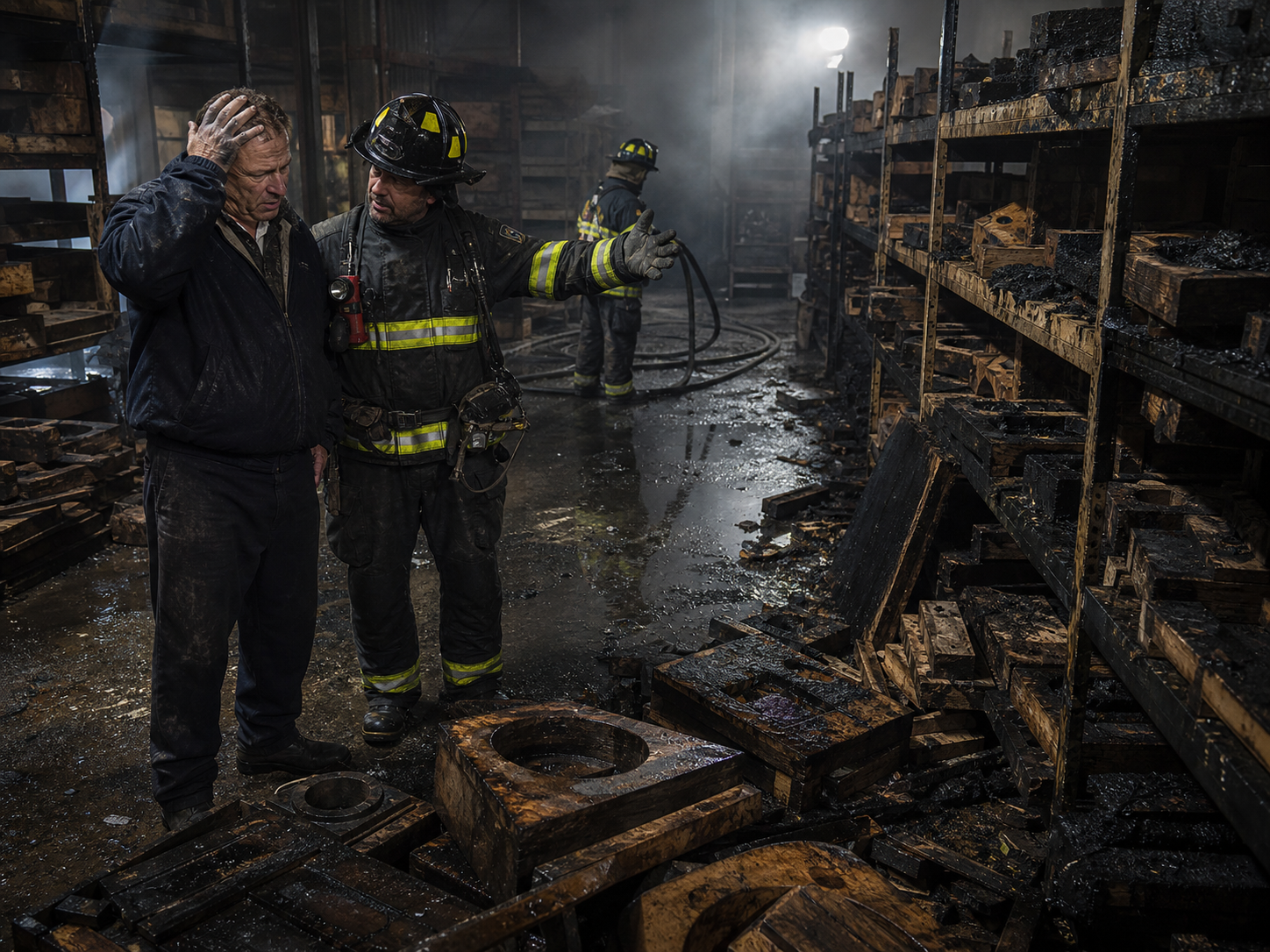
Then there was a fire.
It was not dramatic at first. No Hollywood explosion. No molten metal river. Just smoke, heat, water, and enough damage that by the time everyone understood what had happened, roughly one-fifth of the pattern inventory was gone.
Not misplaced. Not repairable. Gone.
For the foundry, the loss was bigger than wood and hardware. Those patterns represented years of quoting, engineering, customer relationships, shrink allowances, core print decisions, parting strategies, and tribal knowledge. In several cases, there were no clean CAD files. No current drawings. No easy way to know which revision had last produced acceptable castings.
That meant every lost pattern became a new project.
The foundry now had to answer uncomfortable questions:
- Which customers did those patterns belong to?
- Were any of them active repeat jobs?
- Were the drawings current?
- Did the pattern include shop-floor modifications that were never documented?
- Could the casting be reverse engineered from an old part?
- Who pays to rebuild the tooling?
- How long will customers wait?
This is where digital pattern archiving changes the risk.
If those patterns had been 3D scanned, photographed, labeled, measured, and stored as controlled digital records, the fire would still have been serious. But it would not have erased the foundry’s ability to reproduce the work.
A digital archive can include:
- 3D scan data
- CAD files
- Pattern photographs
- Customer/job numbers
- Material and shrink allowance notes
- Core box and core print details
- Match plate layout information
- Revision history
- Repair history
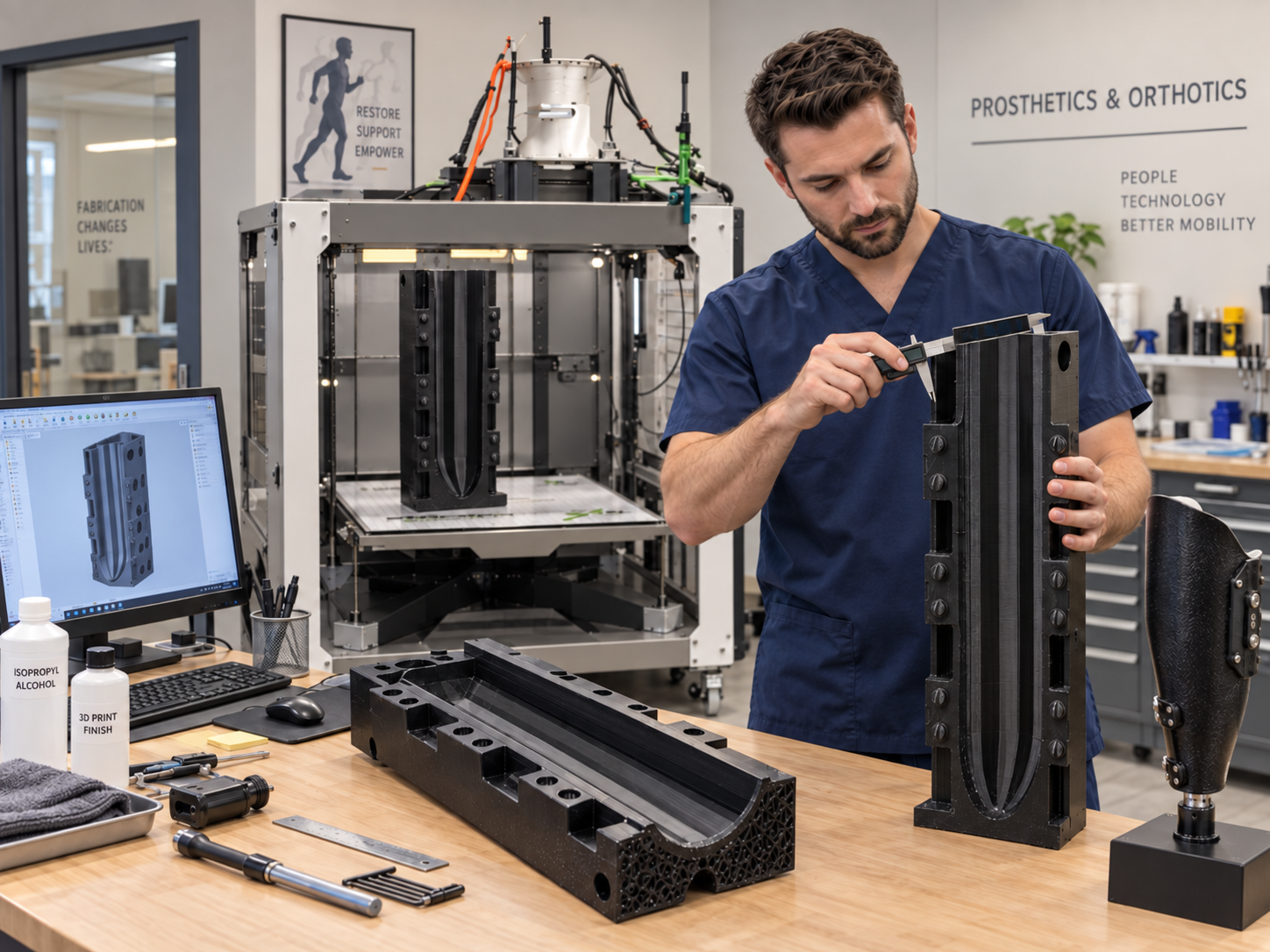
- Print-ready replacement tooling files
At Jaeger Technology Group LLC, we see digital archiving as more than convenience. It is insurance against losing the institutional memory built into old tooling.
Wood patterns were never meant to last forever. Fires happen. Floods happen. Forklifts happen. Roof leaks happen. People retire. Labels fall off. Customer drawings disappear.
A foundry does not need to scan every pattern on day one. But the high-value, repeat-use, fragile, damaged, or customer-critical patterns should be digitally preserved before something forces the issue.
Because when a pattern is destroyed, the question is not just, “Can we rebuild it?”
The real question is, “Do we still know what it was?”
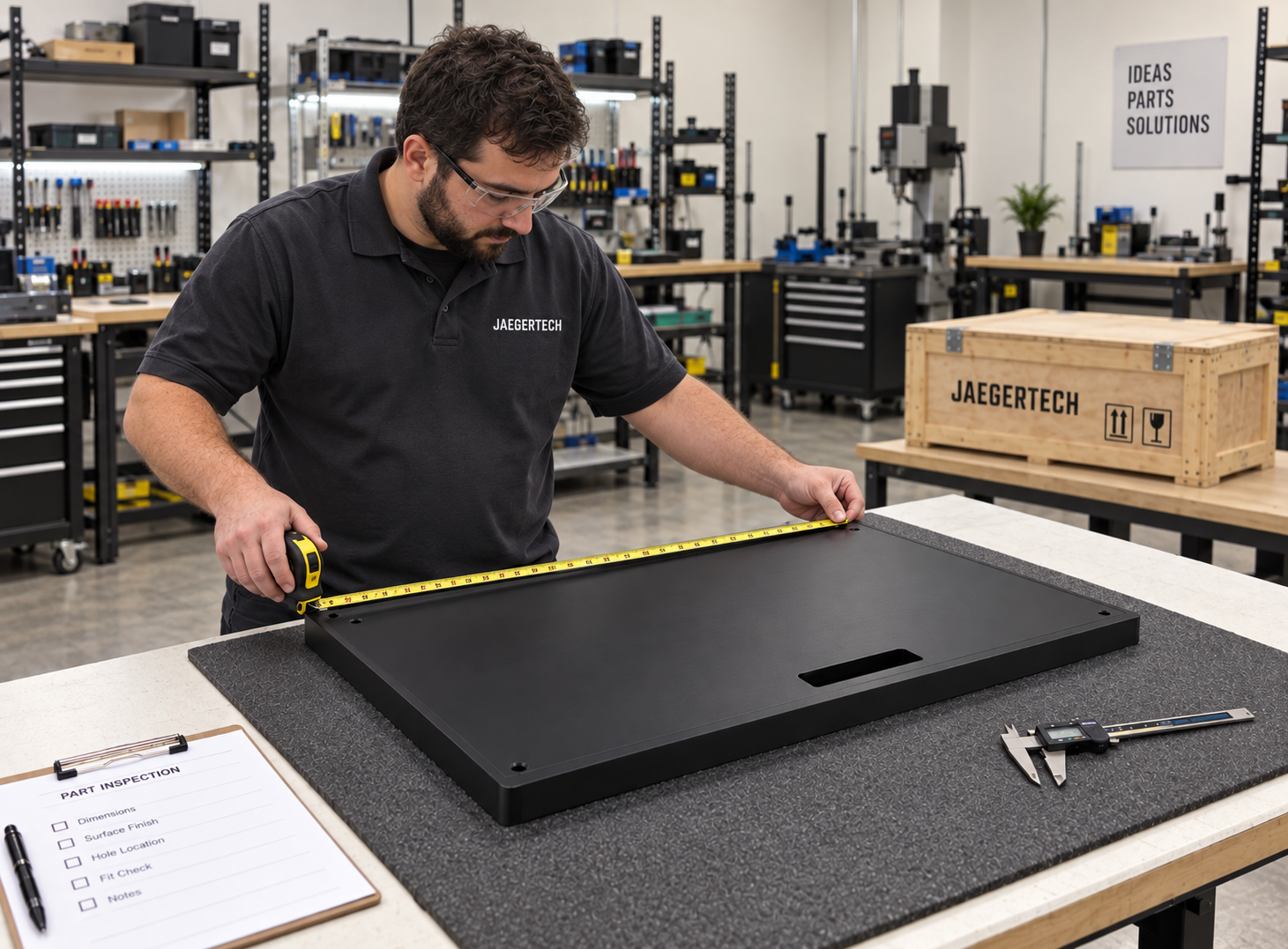
Jaeger Technology Group LLC can help foundries 3D scan, reverse engineer, archive, and reproduce critical patterns before the pattern room becomes the single point of failure.