
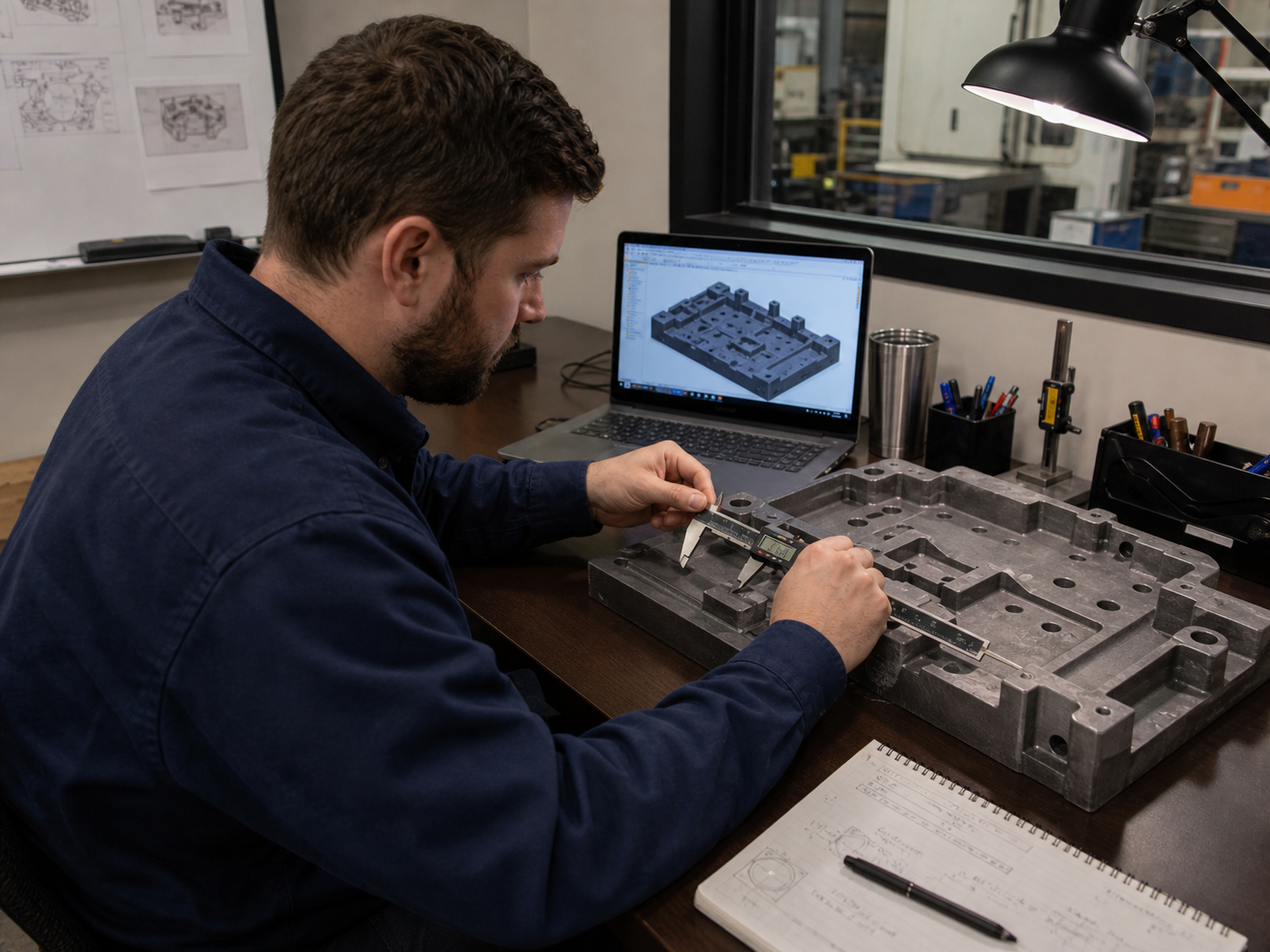
From CAD Model to Cast Part: How Digital Patternmaking Speeds Foundry Work
Modern foundry work often starts with a CAD model. The challenge is turning that digital file into a practical casting pattern that works on the foundry floor.
At Jaeger Technology Group LLC, we help bridge that gap with digital patternmaking, 3D printed foundry patterns, match plates, loose patterns, core boxes, and prototype tooling.
The Digital Patternmaking Workflow
A typical workflow may include:
- Reviewing the customer CAD file
- Adding shrink allowance
- Adding machining allowance where needed
- Adding draft for clean mold release
- Adding fillets and foundry-friendly transitions
- Planning the parting line
- Designing core prints if cores are required
- Preparing loose patterns, match plates, or core boxes
- 3D printing the tooling
- Finishing, sealing, and preparing the tooling for foundry use
This process helps turn an engineering model into a foundry-ready pattern.
Why CAD-Controlled Tooling Helps
Digital patternmaking gives the foundry more control. Instead of relying only on hand modification, pattern geometry can be measured, revised, saved, and reproduced.
This is useful for:
- Prototype castings
- Short-run production
- Match plates
- Loose patterns
- Core boxes
- Replacement tooling
- Legacy parts
- Production support tooling
If the customer changes the part, the model can be updated. If the tooling wears out, it can often be reprinted. If a revision works better, that revision can become the controlled version.
Faster Development and Better Repeatability
Digital patternmaking does not remove the need for foundry experience. But it does help reduce delays between design, tooling, molding, and casting.
For foundries and manufacturers, this can mean faster quotes, faster first articles, faster design changes, and a more controlled path from CAD model to cast part.
Work With Jaeger Technology Group LLC
If your company needs help moving from CAD model to cast part, Jaeger Technology Group LLC can support the process with 3D printed patterns, digital patternmaking, match plates, core boxes, and practical foundry tooling.
About the Author: jaegertechgroup.com

STAY IN THE LOOP
Subscribe to our free newsletter.
Leave A Comment
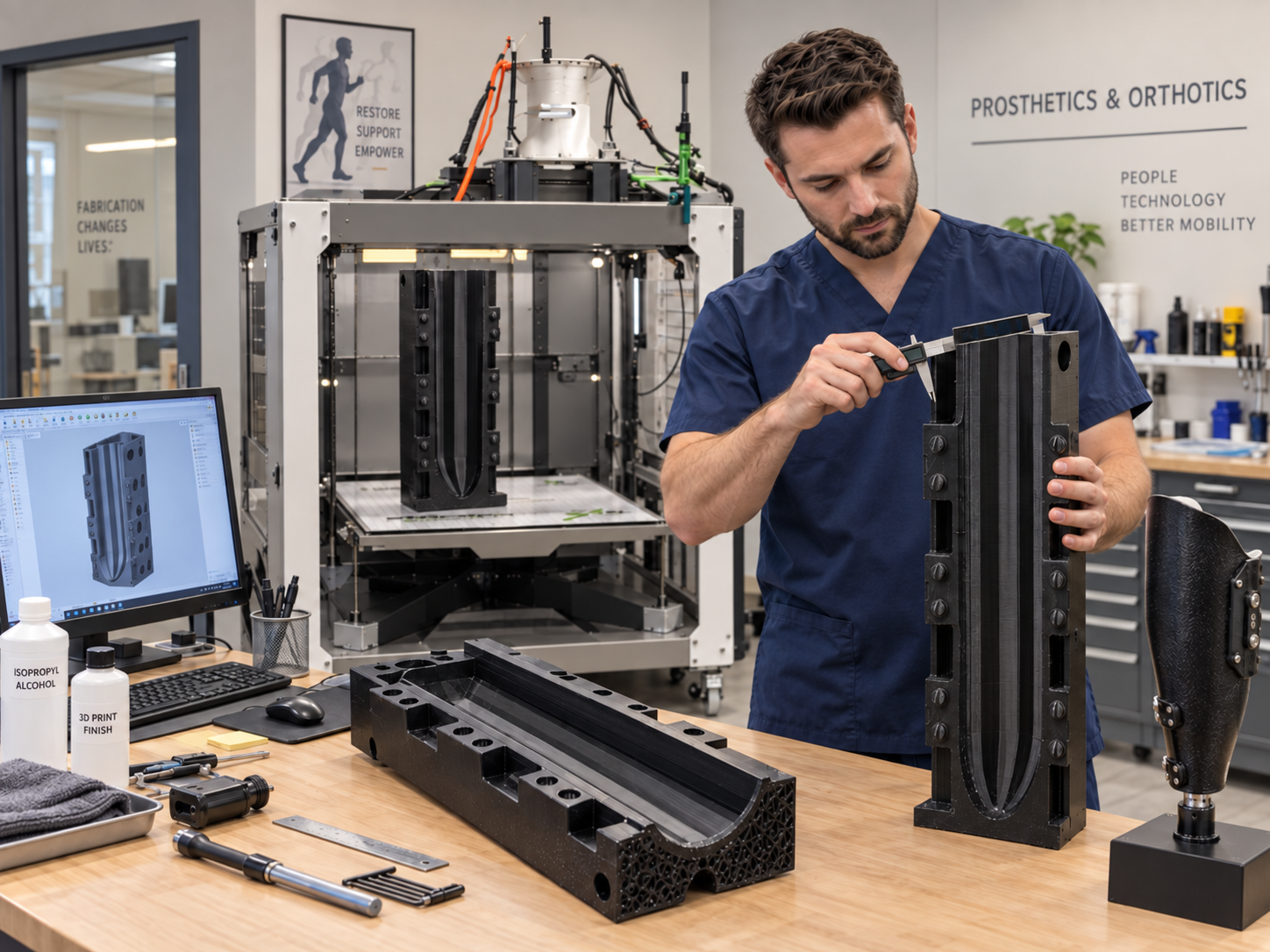
From Hesitation to Hands-On: Bringing Large-Format 3D Printing Into a Prosthetics and Orthotics Practice For many prosthetics and orthotics practitioners, the potential
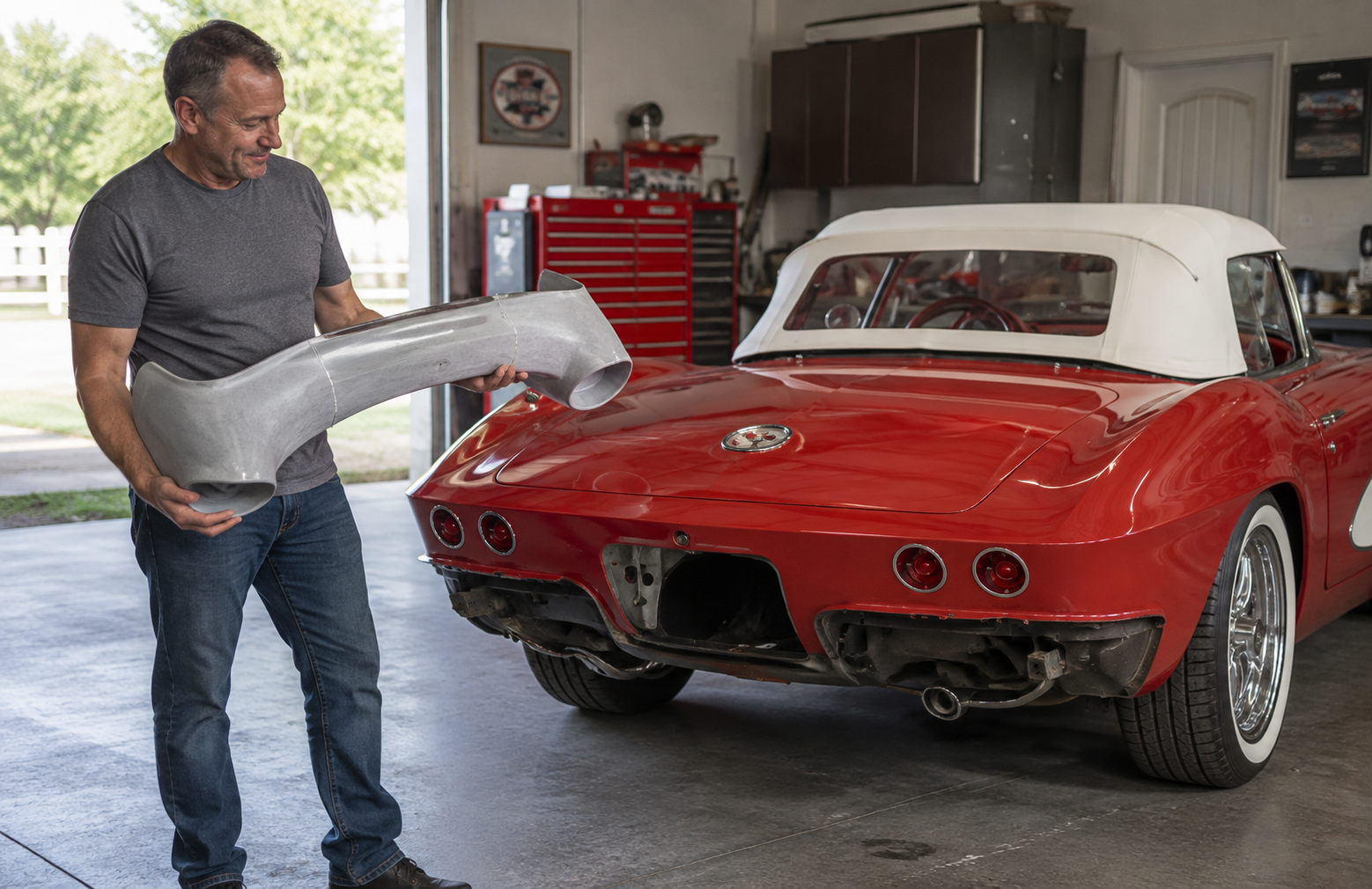
From 3D Scan to Perfect Fit: The Corvette Bumper Project Moves Forward A few weeks ago, we shared a project that demonstrated
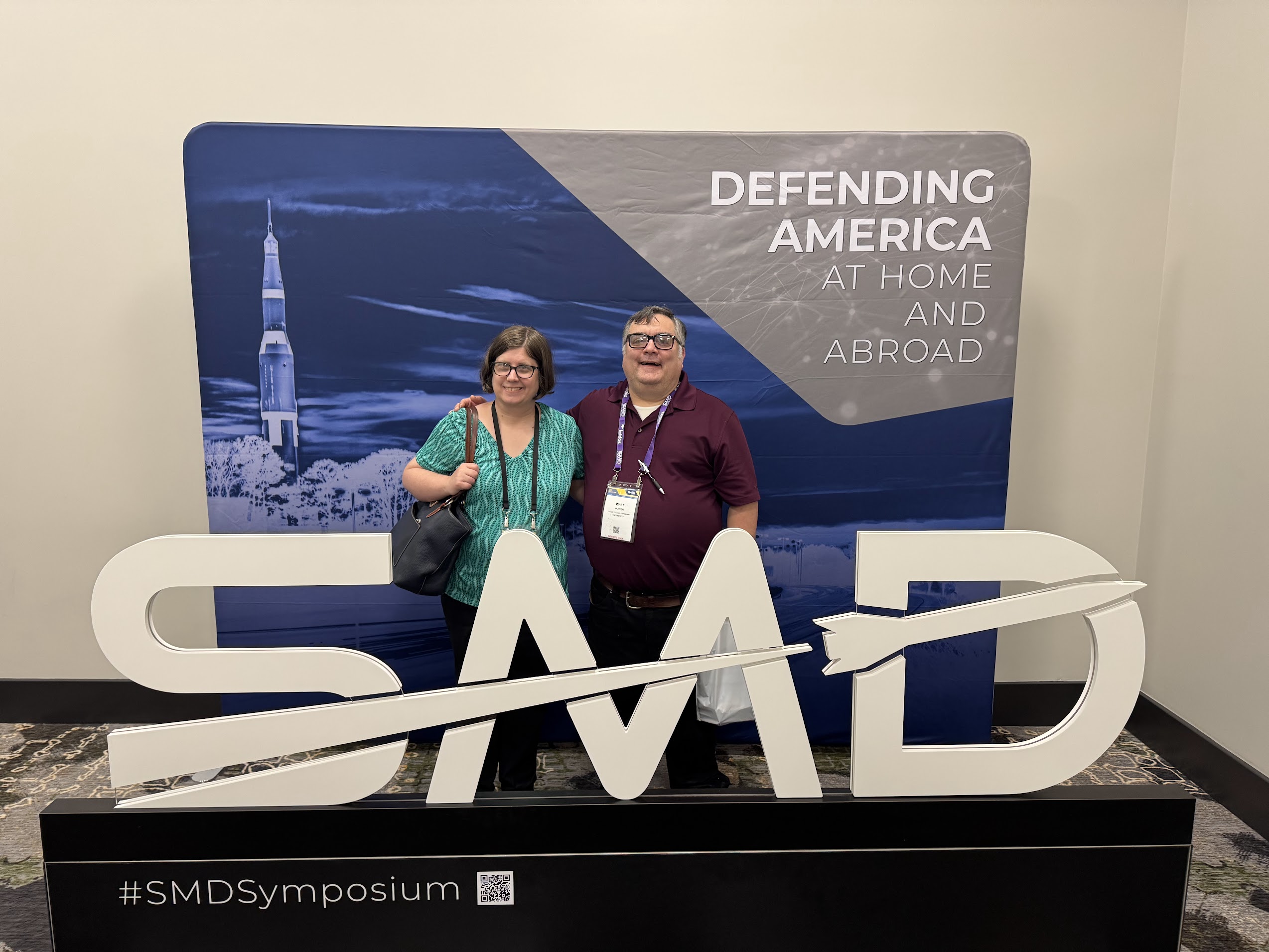
Great Conversations and New Connections at SMD in Huntsville Last week, Janelle and I had the opportunity to attend SMD in Huntsville,
Custom 3D Printed Speaker Pods for a 2005 Ford Mustang Sometimes the problem is not the speaker. It is everything around it.